
Residential Pest Control
Starting from
$49 /mo
Ants, roaches, spiders, scorpions, crickets, wasps, fleas, ticks. Quarterly Zero Gap treatment™, the foundation of Forterra's treatment plan.
Learn more about residential pest control →Treatment day needs little planning, because indoor products dry in 15 to 30 minutes and are pet-friendly. Sealing entry gaps is also part of pest control in Forest Hill, and mosquito and termite programs are there when you want them.

Wooded lots give Forest Hill more shaded ground per home than the newer suburbs, and shade holds the moisture that holds everything else. None of it is visible from your driveway. Forterra treats the shaded side of a property as a different job from the sunny side, then seals with the Zero Gap System™ under Texas Pest Control License TPCL #850046.
"Service and attitude Parker displayed was friendly and welcoming!"
"Parker did an amazing job. He was efficient and was able to quickly assess what needed to be completed to ensure our yard and house are pest free."
"Ryan did a great job. Been subscripting to their service for almost 4 years and experience is great."
"Chad did an excellent job Always happy with the level of service and professionalism."
76119 and 76140 hold the coverage here, both standing, neither conditional. If an address reads ambiguous against the Everman or Kennedale line, (817) 665-6527 gives a plain yes or no before anything books, and the calculator prices covered homes by square footage alone, the same arithmetic this site publishes for every city it lists, without a single exception.
The Southlake office reaches Forest Hill in 20.5 miles, a distance it has covered on schedule since 2021, and it earned the ★ 5.0 score across 2,124 reviews one on-time visit at a time. Southern addresses get the same windows, the same free re-services and the same pricing math as everywhere else, and the crew knows these shaded blocks street by street.
Most DFW pest companies hide prices to size you up. We don't. Here's what our four core services cost, no hidden surprises. A 12-month plan takes about $200 off your first service, or go month to month at the full first-service price. We do one-time treatments too.
Ants, roaches, spiders, scorpions, crickets, wasps, fleas, ticks. Quarterly Zero Gap treatment™, the foundation of Forterra's treatment plan.
Learn more about residential pest control →
Sentricon® Always Active baiting and annual monitoring. Subterranean termites cause 98% of DFW termite damage, catch them early.
Learn more about termite control →
Monthly yard + perimeter fog treatment April–October. Knocks down adults and kills larvae in standing water. Backyards you can actually use.
Learn more about mosquito control →
Exclusions to stop entries, trapping to catch what's there, and monitoring and prevention with bait stations. We do it all so you are rodent-free.
Learn more about rodent control →Big trees drop carpenter ant traffic onto rooflines, settled slabs admit roaches through gaps that widened over decades, and the warm months bring the standard wasp-and-ant pressure every established yard knows. The Forest Hill pest pages below explain how an infestation spreads under big shade, what damage it leaves and current pricing, and one quarterly visit covers the entire list with a written report afterward.
Termite Control Rodent ControlMosquito ControlAnt Control
 Cockroach Control
 Spider Control
 Wasp & Hornet Removal
 Flea Control
 Tick ControlRat ControlMouse ControlCarpenter Ant Control
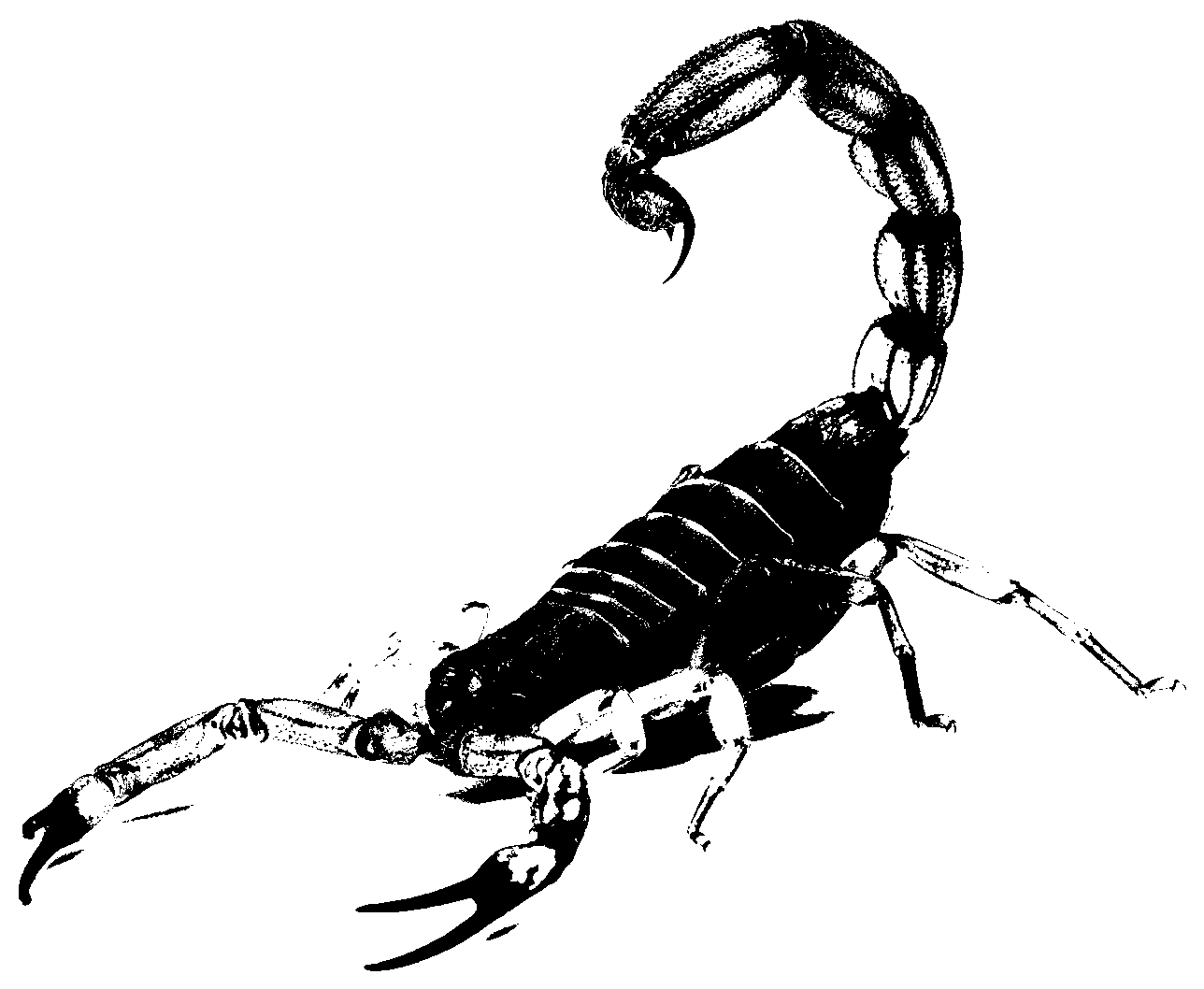 Scorpion Control
 Fly Control
 Silverfish Control
 Beetle Control
 Earwig Control
 Chigger Control
 Moth Control
 Cricket Control
 Pantry Pest Control
 Mite Control
Quarterly coverage does the anchor work for Forest Hill homes, with sealing earning most of the credit on housing this settled. Termite inspections serve the resale corners, rodent exclusion suits the older blocks near the creek bottoms, and one-time treatments carry written prices for owners who want a single problem gone. Quarterly pest control and every customized pest management add-on for Forest Hill, TX quote before they schedule, in that order only.
Old shade means old houses, and old houses carry gaps that opened one season at a time. The Zero Gap survey finds them all, weep holes, thresholds, utility penetrations, and closes everything a golf ball could pass before the first treatment goes down. From there the quarterly barrier holds the line, and pest prevention that protects the house costs far less than fighting pests indoors ever does.
Your tech walks all 6 zones, foundation, eaves, entry points, doors/windows, garage, yard, and logs what they find. They're then able to customize the treatment.
Perimeter treatment at the foundation, eave sweep, targeted spot treatments in high-pressure zones. We use the minimum effective product, not the maximum billable volume.
This is the part everyone else skips. Weep holes, utility penetrations and seals that failed years ago, each closed with the material that suits it. It's slower. It's better. And it stays with your house forever.
Before we leave, you get a detailed report of what was treated, what was sealed, and what we flagged for the next visit. See a pest between services? Text us. We come back free.
Ready when you are. Real prices online in about 60 seconds, phones answered 24/7.
Canopy shade runs the calendar here, holding moisture that keeps ants and roaches active past their usual windows. Spring opens with ant trails, summer stacks wasps under the eaves, fall drops crickets into garages, and the first real cold pushes mice inside. Our seasonal pest control follows that rhythm year-round, so protection peaks exactly when Forest Hill needs it most.
When to start: Any time, but new customers who start in January–March typically see the smoothest first summer. Mid-summer starts still work (we just treat a little harder on visit one).
Forest Hill sits shoulder to shoulder with Kennedale and the Fort Worth south side, and every neighbor on that list carries its own page with its own ZIP detail. The pricing math never changes across those lines, only the local pressure does. All part of Pest Control in Tarrant County, TX, mapped city by city with nothing generic in the set.
The same promise in Forest Hill. See a pest between visits? Text us. We re-treat free as many times as it takes. Still not satisfied? We refund your last service. Still in your first year? We'll cancel with no fees.
Forest Hill calls about price, older homes and whether the guarantee travels this far south, so those answers lead below. It does, in full. Anything more specific rides (817) 665-6527 on weekdays, and every commitment lands in writing first. No question asked here gets a different answer than it would get three miles from the office, that is the point of a standard.
Yes. The large reddish roaches are usually American cockroaches, which live outdoors and in drains and wander in after heavy rain or a cold snap. They call for treatment outside the house and sealing the gaps they use, rather than the gel baits used for German roaches. Keeping drains covered at night and fixing dripping outdoor taps also takes away the moisture they look for.
By walking round the back, which is the part most exterior treatments skip. What matters on a Forest Hill property is where the ground stays damp after rain, where the canopy never lets light through and where planting meets the wall on the shaded side. None of that is visible from the front, and all of it decides the plan.
It helps termites, mainly because shaded soil stays moist. On the darker side of a Forest Hill house, damp mulch, leaf litter and a slab edge that never dries give subterranean termites ideal working conditions. Check for mud tubes on the foundation there first. The termite inspection costs nothing, and if it turns up activity, you choose between monitored Sentricon stations and a one-time liquid treatment.
Yes. The gaps where plumbing passes through the wall under kitchen and bathroom sinks are common ways in for roaches and mice, and your exterminator closes them on the first visit. Each gap gets a material suited to its size and spot, since no single product works everywhere. Clear the cabinet before the appointment so the technician can reach the back wall without moving your things.
A little, and it is rarely worth doing for that reason alone. What actually changes the outcome is airflow and contact, so lifting the lower canopy off a wall and keeping planting clear of the brick does more than removing a tree would. On a Forest Hill lot the shade can stay as long as it is not resting on the house.
Yes, they sit near the bottom of a food chain. A garage full of crickets feeds spiders, including black widows, and in some Forest Hill homes scorpions too, so one problem invites the next. Crickets come in through worn door seals and gaps at the slab edge in late summer and fall. Tightening those seals, keeping lights off at night and treating the low band along the garage walls breaks that chain.
Fire ants need warm soil to raise brood, so they avoid deep shade. On wooded Forest Hill lots, mounds cluster along sunny driveways, open front lawns and gaps in the canopy, while the shaded side stays mostly clear. When a tree comes down, that new sunny patch usually fills within a season. Your exterminator treats individual mounds or spreads granular bait across the open areas.
Many ants farm aphids and scale insects on trees for the sweet honeydew they produce, so trails run up the trunk and back down. Where a Forest Hill branch touches the roof or siding, the trail often detours into the house for water or food. Sticky residue on leaves and cars under the tree is the sign. Trim the contact points, and your technician treats the foundation and baits the trail.
No phone call. No credit card up front. See the real price for your home, pick a start date, and a technician will be at your door in about two business days.