
"Cody from Forterra did an amazing job last week and got rid of multiple wasp nest. They are always quick and easy and respond in a timely manner."
Wasp & Hornet Removal in North Texas
A nest over the door decides your family's routes around the house. We handle wasp removal across North Texas any time of day, with knock-down, treatment at the nest, and quarterly pressure that keeps rebuilders from settling.
in progress
Forterra Wasp & Hornet Removal takes down paper wasp, yellow jacket and mud dauber nests at any time of day, with extendable poles for high work, and treats the spot so the colony does not rebuild. Wasps are not preventable, they return every season, which is why removal is included in the quarterly plan from $49/month rather than sold one nest at a time. Money-back guarantee, TPCL #850046.
2,900+ five-star reviews.
All public. All verifiable.
"Nicest guy!! Listened to my concerns about the bees and chickens! Highly recommend Forterra!!"
"Ryan was great. He took care of all of my needs and all the wasp around the house. Would highly recommend"
"Parker did a wonderful job as always! Thank you to all of the Forterra Team. We appreciate you taking such great care of our family, especially my husband, Larry. You recognize his deadly allergy to bees/wasps and respond quickly to emergency calls! Fortunately, your diligence on your routine calls has almost completely eliminated our emergency calls! Thank you! Thank you! Thank you! We love you like family!"
"We are very pleased with Forterra. Corey Buchanan is our pest technician and aleays does a great job. He reviewed and destroyed all wasp nests around the perimeter of our house and deck. Even the ones next to the roof. Thank you."
"Casey recently came out to do the quarterly maintenance. He is professional and got the work done efficiently. I asked him to come back to handle a wasp issue in my shed, he came back and handled it very quickly. Forterra has excellent customer service, and the as needed spot treatments included in the price of the quarterly treatments are great."
Nest removal, minutes away.
A wasp nest is an any-time-of-day job, and short drives make same-week scheduling normal across the Southlake, Dallas and Aubrey territories.
HQ Southlake
Forterra Pest Control
935 S Kimball Ave Ste. 162
Southlake, TX 76092
2 Dallas
Forterra Pest Control
8300 Douglas Ave Ste. 800 - #802
Dallas, TX 75225
3 Aubrey
Forterra Pest Control
9053 Ike Byrom Rd Ste 2C
Aubrey, TX 76227
What's nesting decides how we treat it.
A paper wasp umbrella, a yellow jacket hole in the ground and a mud dauber tube are three different jobs with three different risk levels.
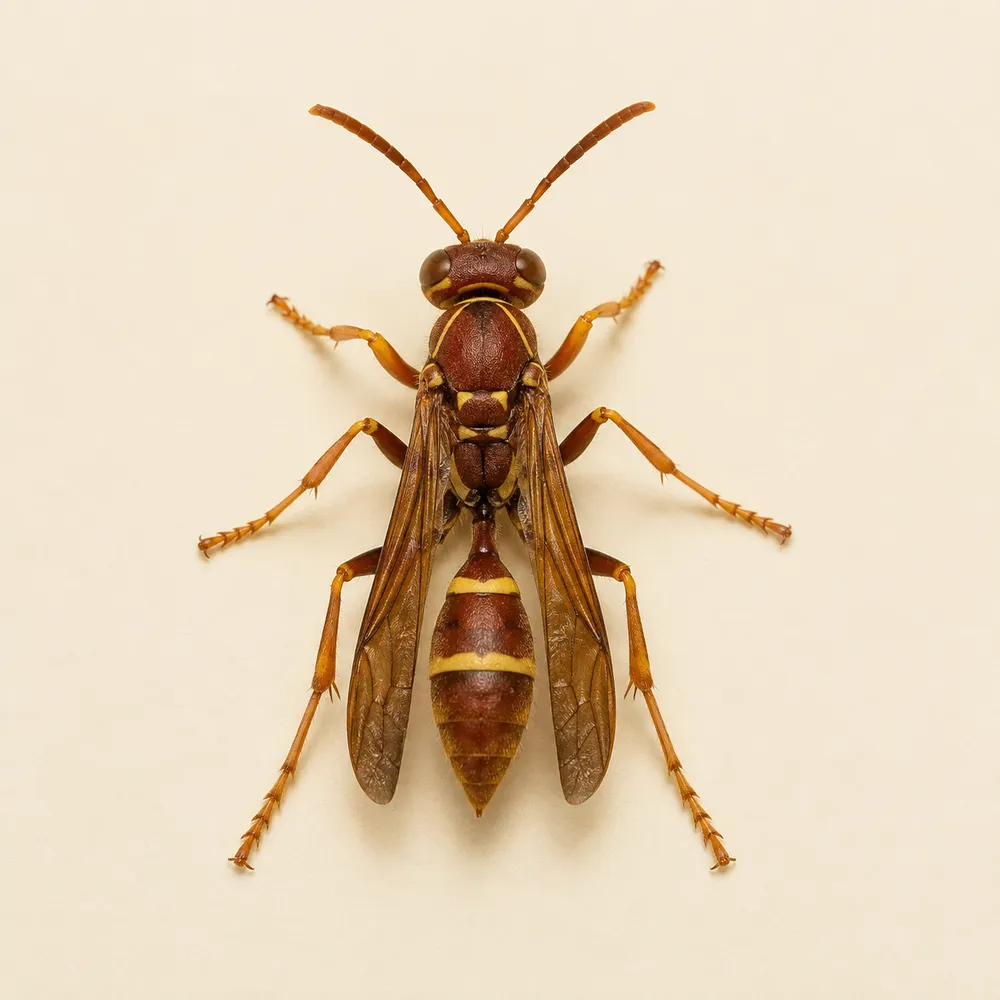
EAVES Paper wasp
- Behavior
- Builds the open umbrella-shaped combs under eaves, porch ceilings and grill covers. It is territorial, tolerating you at a distance and defending the nest when you get close.
- What makes them tricky
- Knocking a nest down by hand invites a group sting response, and new queens re-found nests on the same protected spots. Treated eaves break the cycle.
- How we approach them
-
- Colony treated and nest removed, any time of day
- Eave and overhang treatment each quarter
- Spring starter nests caught early
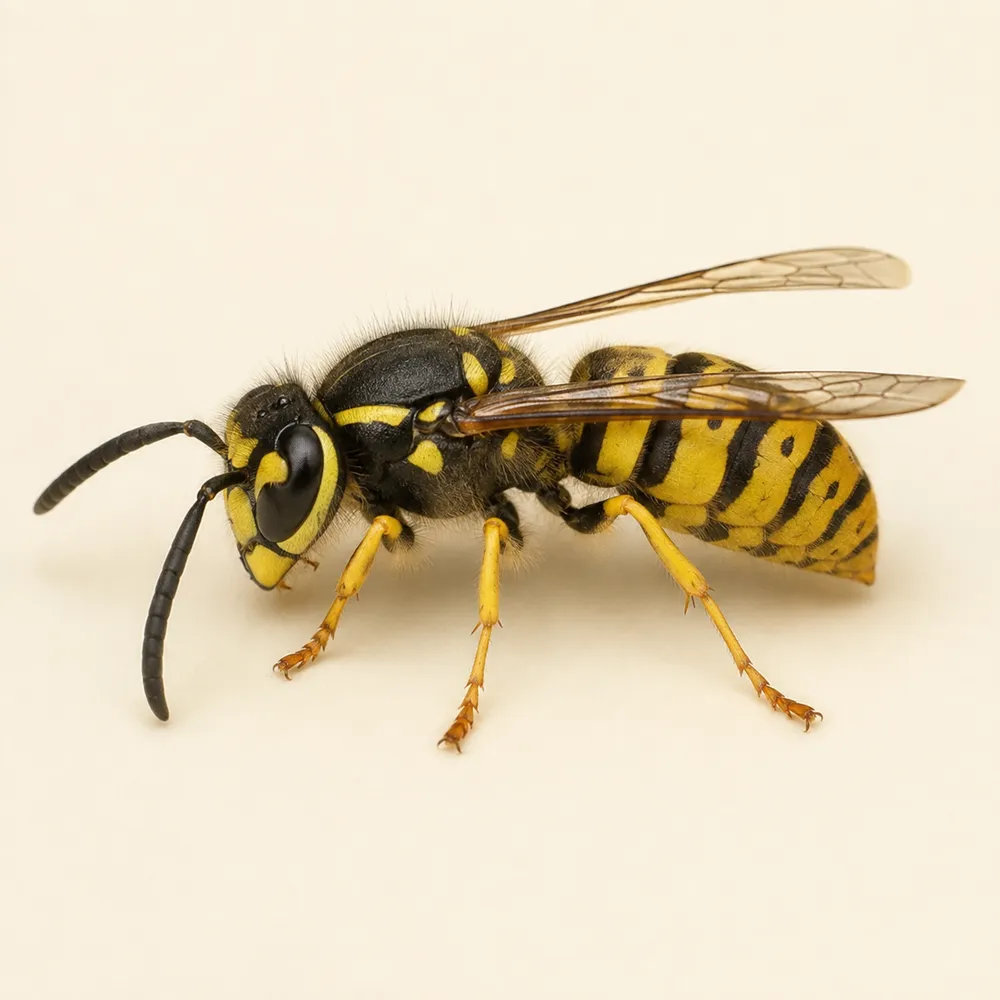
AGGRESSIVE Yellow jacket
- Behavior
- Nests in the ground and in wall voids, colonies reaching thousands by late summer. It scavenges cookouts and trash cans, which is why it finds you far from the nest.
- What makes them tricky
- A mowed-over ground nest answers with hundreds of stings, each wasp stinging repeatedly. Wall-void colonies must be treated, never sealed in, or they chew into the house.
- How we approach them
-
- Ground and void nests treated, never sealed in
- Full protective equipment, proper timing
- Trash and cookout zones defended
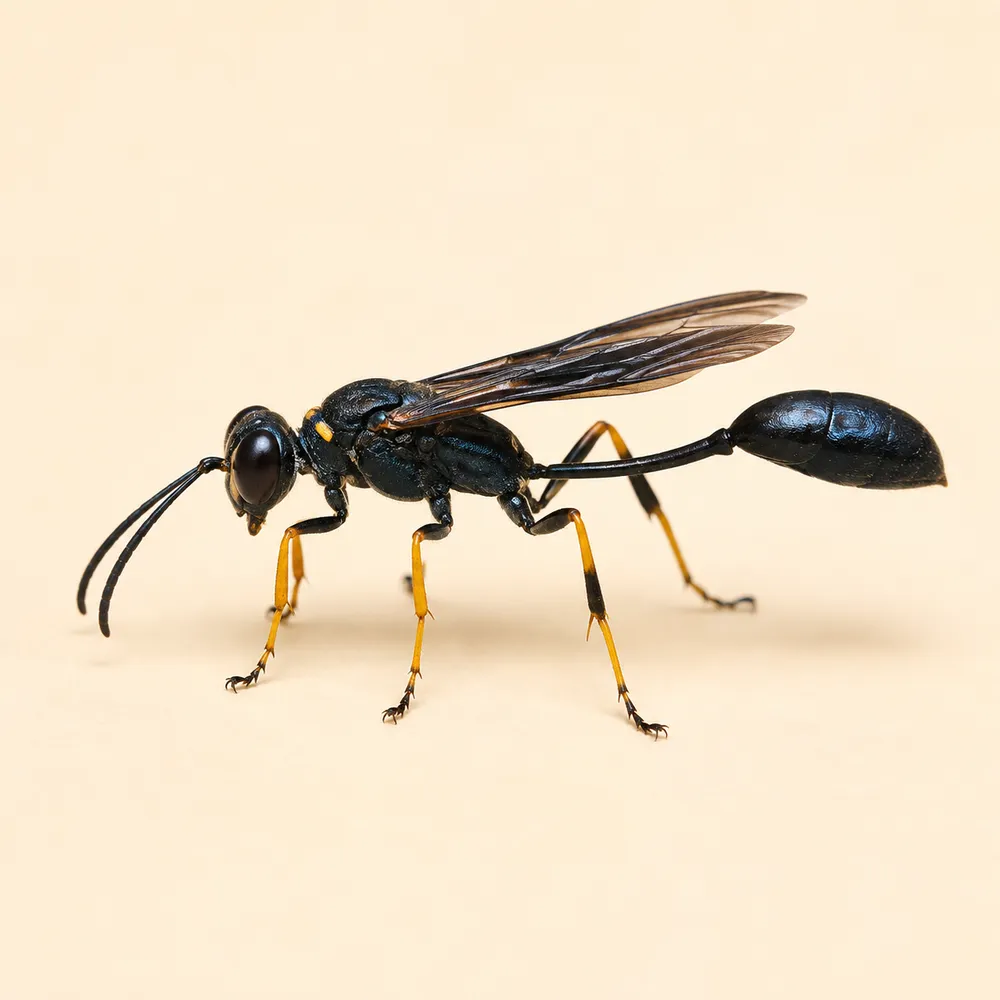
DOCILE Mud dauber
- Behavior
- The slender solitary wasp behind the mud tubes on brick and under eaves. Hunts spiders, works alone and almost never stings people.
- What makes them tricky
- The wasp is docile; its mud tubes stain masonry and abandoned tubes get reused by other pests. We remove and treat, and some staining can remain.
- How we approach them
-
- Tubes scraped and surfaces treated
- Tubes removed and the spot treated
- Spider control removes their prey draw
We treat the colony, then take the nest.
Wasp control is mostly about when and how, not what. The colony has to die before the nest comes down, and the eaves have to stop advertising the site.
Treat nest
The nest is the colony. It comes down at any time of day.
The nest gets treated and knocked down whenever we are on site, no waiting for dusk, with extendable poles doing the high work from a distance. Aggressive species like yellow jackets occasionally change the scheduling; most jobs do not.
Remove comb
Leftover comb invites next spring's queens back.
The comb comes down with the colony. Some residue and staining stays on the surface, we remove nests, not finishes, and what matters is that the anchor point is gone.
Repeat as needed
Wasps are not preventable. They will be back.
No treatment stops next season's queens from scouting your eaves, which is exactly why wasp work lives inside the quarterly plan. Every visit checks and treats the corners they favor, and re-services between visits are free.
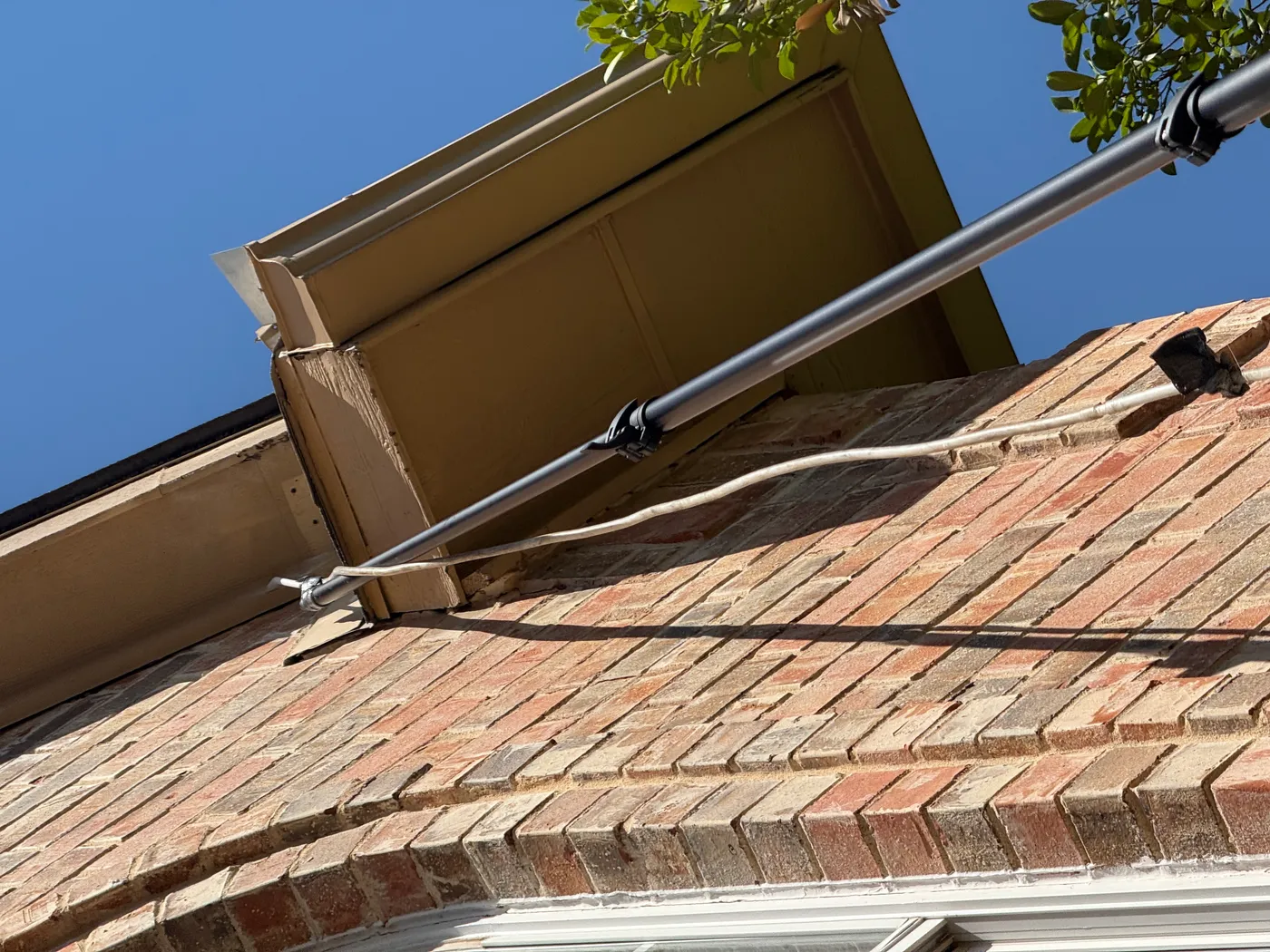
Every nest site on the structure, numbered.
Wasps pick the same protected spots on every DFW home. This is the roofline check we run on each visit, spring starter nests through fall colonies.
- 01
Eaves and soffits
The paper wasp's first choice, sheltered, warm and out of the rain. Checked and treated every visit.
- 02
Gable vent
A broken screen here means wasps in the attic void, a removal job rather than a knockdown.
- 03
Fascia and gutter line
Starter nests tuck behind gutters in April, golf-ball sized and easy to end early.
- 04
Porch light and fixtures
Warm fixtures shelter early-season queens; a classic surprise two feet from your door.
- 05
Window frames
Mud daubers line brick lintels and frames with tubes; scraped and treated on the pass.
- 06
Weep holes
Yellow jackets nest inside wall voids through open weeps; screened, never sealed shut.
Ready when you are. Real prices online in about 60 seconds, phones answered 24/7.
Forterra's wasp process, step by step.
Nests get priced fast and handled fast. Here is the path from the first call to a porch you can use again, in four steps.
- 01
Transparent quote
Call with a nest over the porch and the office prices it on the spot; the online tool does the same in about sixty seconds. Ground nests or wall voids that need more get flagged before work starts.
- 02
First-visit inspection
Eaves, trees, play sets, wall voids and the ground all get checked. The technician identifies what built each nest, since paper wasps and hornets carry different risk levels.
- 03
Treat and remove
Colonies are treated with proper equipment and timing, nests are physically removed, and known nest sites get protective treatment.
- 04
Guaranteed results
New nests between visits get knocked down at no charge on the plan. The money-back guarantee covers the rest, and October rebuilders are exactly why coverage stays year-round.
When wasps hit hardest in North Texas.
Every wasp nest starts with one spring queen. Colonies build all summer and peak in early fall, exactly when they get most defensive.
When to start: Any time of year. Coverage is year-round on the quarterly plan, so the right month to start is the one you are in; the first visit targets whatever the current season is sending.
Questions, answered plainly.
If you don't see yours, call (817) 665-6527 or text us, a human will answer.
Yes you can, carefully. Keep your distance, work at night when they are sluggish, and have an exit path. The honest advantages we bring are extendable poles that treat and remove nests from a distance, products that kill the colony rather than scattering it, and no ladder work on your part. Yellow jackets and ground nests are the exception; those are genuinely dangerous to DIY.
Old nests are not reused, but the spot that attracted the first queen, a sheltered eave out of wind and rain, attracts next spring's queens too, and leftover comb signals a proven site. Removing old nests and keeping eaves treated through the quarterly plan is what ends the annual rebuild.
Almost certainly yellow jackets, and worth taking seriously. By late summer those hidden colonies can hold thousands of wasps. Do not plug the hole, because a sealed wall-void colony will chew through the drywall into the house. Keep everyone clear and have it professionally treated.
Mud dauber tubes are the least dangerous thing on your brick. Daubers are solitary, rarely sting, and mostly hunt spiders. We remove the tubes and treat the spot, though some staining can remain on porous masonry, removal is not cleaning. If the tubes are ON brick but made of soil rather than smooth mud, call sooner, because that pattern can be termites.
Knocking down standard nests is part of quarterly coverage from $49 a month; one-off removals get priced by phone in minutes. Ground nests and wall-void colonies can carry an added charge, decided on site by what the job needs and discussed before work begins.
Wasp & Hornet Removal, city by city.
Wasp and hornet coverage by city, with the office that runs your streets on top.
Start at $49/mo.
Quote in 60 seconds.
No phone call. No credit card up front. See the real price for your home, pick a start date, and a technician will be at your door in about two business days.
- ✓Quarterly Zero Gap treatment
- ✓50+ pests covered
- ✓Free re-treats between visits
- ✓Licensed W-2 technicians, never subcontractors
- ✓Flexible contracts
- ✓Money-back guarantee