
Locally owned · Southlake · Dallas · AubreyView service area →★ 5.0 · 2,900+ reviews
★ 5.0 · 2,900+ Google reviews817-665-6527
★ 5.0 · 2,900+ Google reviews TPCL #850046
★ 5.0 · 2,900+ Google reviews · Go verify →

Tick Control in North Texas

Ticks ride in from tall grass, wildlife paths and shaded fence lines. Our tick control protects North Texas yards two ways, reactive treatment on the quarterly plan, or season-long prevention through the monthly mosquito program.

Starting at
$49/mo
Serviced quarterly, billed monthly · Typical DFW home ( under 3,000 sft) · Flexible contract
Free quote · Flexible contract · 100% money-back guarantee · 60 seconds online
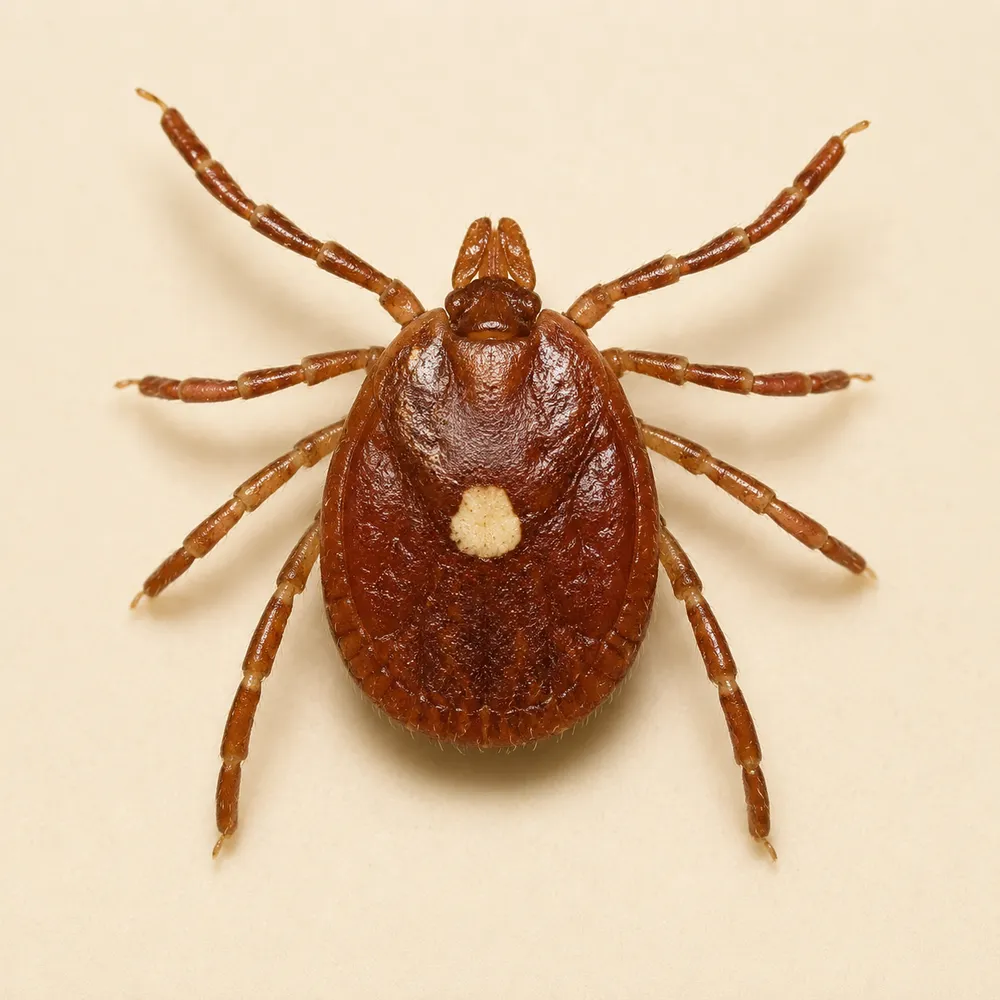
Lone star tick up close, Forterra Pest Control
◉ Ticks · North Texas
Lone star tick
up close
The DFW biter
Overview What is Forterra's tick control service?

Forterra Tick Control treats the fence lines, tall grass and shade beds where ticks quest, timed across the season including the cool-weather deer tick window. Reactive coverage rides the quarterly plan from $49/month; season-long exterior prevention pairs with the monthly mosquito program, the route most pet owners choose. Species identification steers the work, since lone star, dog and blacklegged ticks favor different harborage. Money-back guarantee, TPCL #850046.

Reviews

2,900+ five-star reviews.
All public. All verifiable.

Read all our reviews on Google →
Service area

Tick coverage on local routes.

From creekside yards in Denton County to greenbelt lots in Dallas, tick work runs on routes the local office already drives.

Forterra Pest Control service truck in DFW
ON THE ROAD
You'll spot our trucks across DFW, branded and driven by our own licensed W-2 technicians. All of our trucks have cameras and GPS devices installed because we take careful driving as seriously as we take pests.

HQ Southlake

Forterra Pest Control
935 S Kimball Ave Ste. 162
Southlake, TX 76092

817-665-6527
Serving: Southlake, Grapevine, Colleyville, Keller, Trophy Club, Westlake, Roanoke, Fort Worth, Arlington, Mansfield, North Richland Hills, Watauga, and more
Pest control in Southlake, TX →

2 Dallas

Forterra Pest Control
8300 Douglas Ave Ste. 800 - #802
Dallas, TX 75225

972-349-1621
Serving: Dallas, Highland Park, University Park, Preston Hollow, Lakewood, Richardson, Plano, Sunnyvale, Forney, Addison, and more
Pest control in Dallas, TX →

3 Aubrey

Forterra Pest Control
9053 Ike Byrom Rd Ste 2C
Aubrey, TX 76227

817-670-2835
Serving: Aubrey, Prosper, Frisco, Celina, Little Elm, Providence Village, Cross Roads, Flower Mound, Lewisville, Justin, Highland Village, Denton and more
Pest control in Aubrey, TX →
Know your ticks

The tick on your dog tells you the risk.

North Texas has three ticks worth knowing. Which one you are finding changes both the disease risk and where in the yard we treat.

Lone star tick close-up MOST COMMON

Lone star tick

1/8 to 1/4 in
Behavior
The DFW default tick, an aggressive hunter that moves toward hosts instead of waiting. Females carry the white dot; pets and kids pick them up on yard edges.
What makes them tricky
Bites are linked to ehrlichiosis and sometimes the alpha-gal red-meat allergy. A yard with harborage keeps producing encounters all season, because this species hunts.
How we approach them
  • Brush and leaf-litter harborage treated
  • Trail and fence-line application at ankle height
  • Habitat trimming guidance per visit
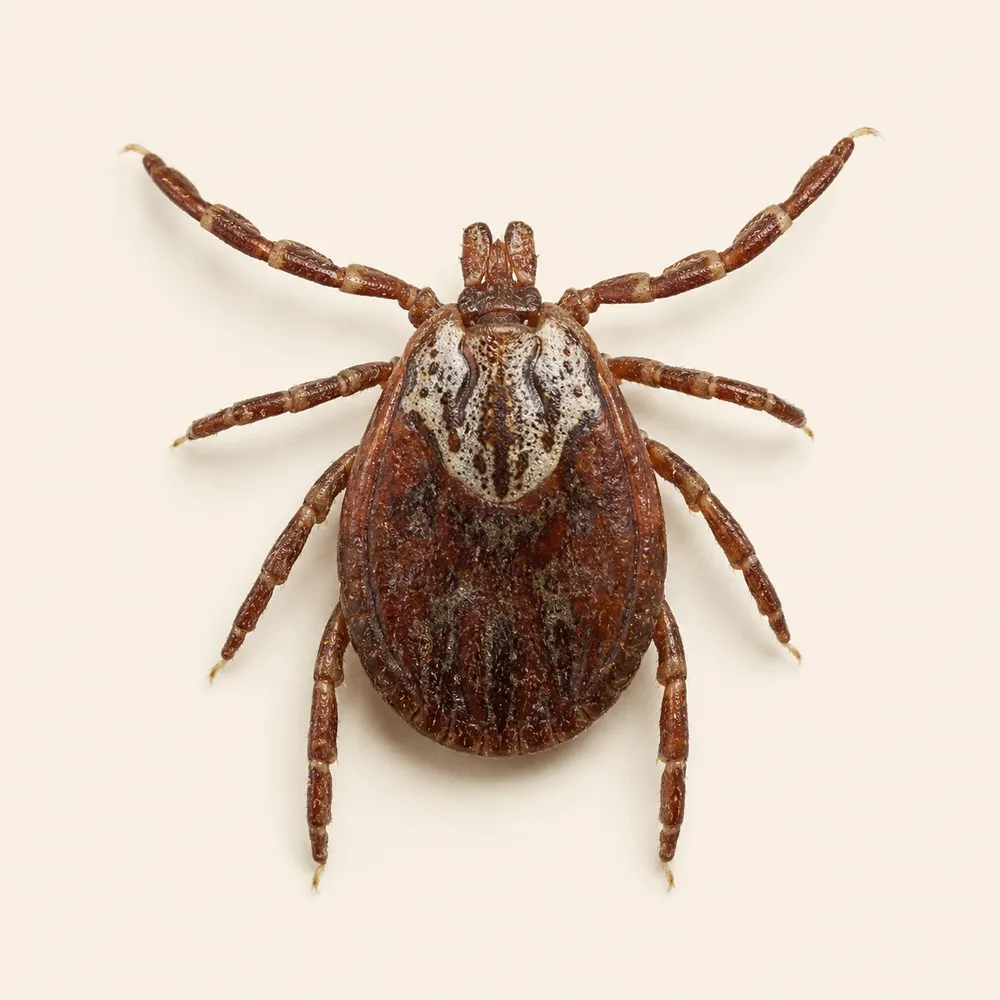
American dog tick close-up DISEASE CARRIER

American dog tick

3/16 in, larger fed
Behavior
Prefers grassy fields and yard edges, waiting on grass tips for a passing host. Dogs collect them on walks and carry them home; the ticks drop off indoors to digest.
What makes them tricky
The main Texas carrier of Rocky Mountain spotted fever. Yard-edge and walking-path treatment matters as much as the lawn itself.
How we approach them
  • Yard-edge and walking-path barrier
  • Pet run and kennel zone treatment
  • Grass kept short where dogs travel
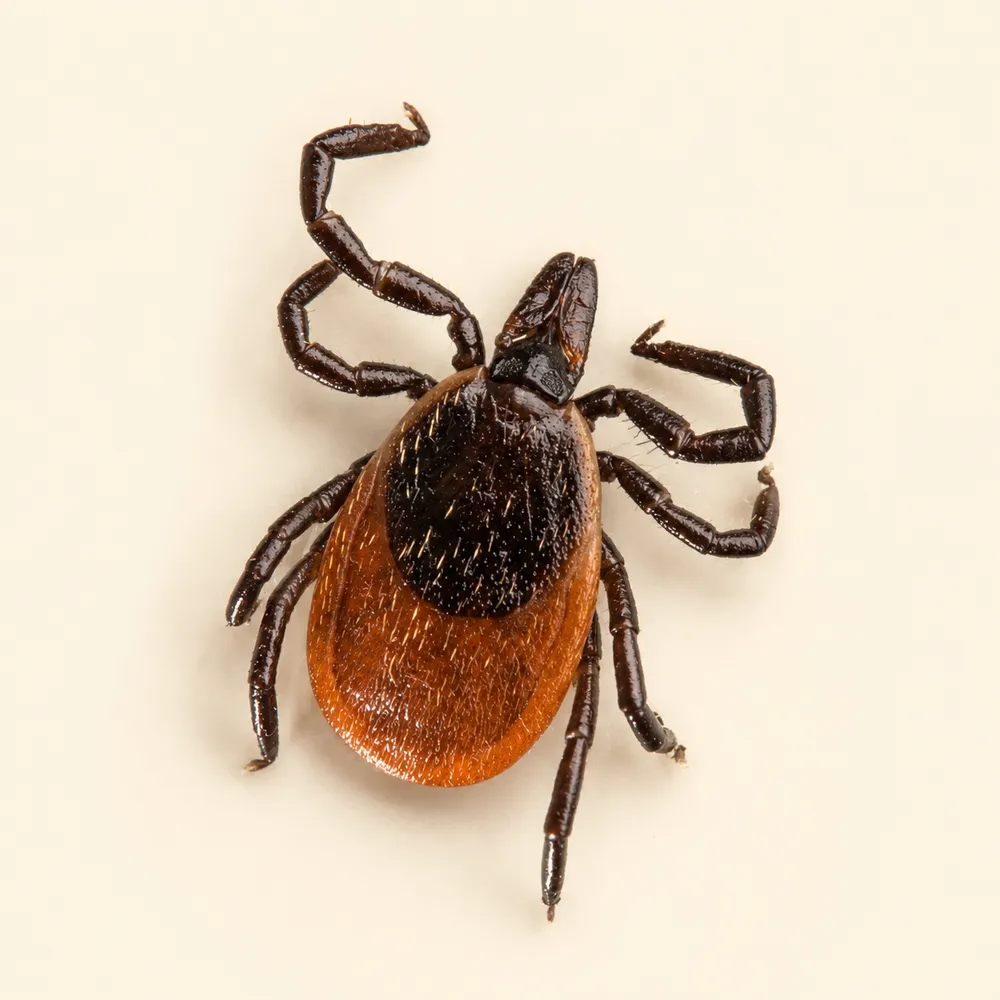
Blacklegged (deer) tick close-up LYME RISK

Blacklegged (deer) tick

1/16 to 1/8 in
Behavior
Small, cool-season, and active in fall and winter when other ticks quit. Rides deer and rodents into greenbelt neighborhoods, favoring the leaf litter under trees and along creek lines.
What makes them tricky
The Lyme vector, far less common here than in the Northeast but present, and active in cool months, so protection cannot stop in October.
How we approach them
  • Greenbelt and creek-line edges treated
  • Cool-season applications continue into fall
  • Leaf litter cleared from shade beds
Why we treat the edges

Ticks live in the transition zones. So does the treatment.

Ticks don't live on your lawn, they live on its edges. The treatment concentrates where lawn meets brush and shade, which is where every encounter starts.

Stage 01
01

Treat edges

Fence lines, drip lines and brush edges, ankle height.

Ticks concentrate where lawn meets brush, fence lines, tree drip lines, tall grass and leaf litter, waiting at ankle height for a host. Treatment goes exactly there, not broadcast across open turf they avoid.

Stage 02
02

Cut carriers

Fewer hosts crossing the yard means fewer ticks restocking it.

Every tick in your yard arrived on an animal. Managing the rodent side, keeping harborage trimmed and treating pet runs breaks the resupply chain that keeps a yard infested.

Stage 03
03

Protect family

EPA-approved, kid-friendly and pet-friendly once dry.

Treatments are EPA-approved, applied to the harborage zones rather than play areas, and kid-friendly and pet-friendly once dry, typically within hours. You get clear guidance on timing after every visit.

Your yard, from above

Ticks hold the edges. The treatment holds them back.

Ticks wait at ankle height where mowed yard meets taller growth. The treatment concentrates on those transition lines instead of blanketing turf they never use.

PROPERTY LINE HOUSE DECK GARAGE FENCE-LINE BEDS open lawn 1 2 3 4 5 6
Overhead of a greenbelt-adjacent lot; numbers key to the tick zones.
  1. 01

    Fence-line beds

    The classic questing zone. Ticks wait on grass tips along the fence run for a passing host.

  2. 02

    Shaded beds

    Leaf litter under trees stays humid enough for ticks to survive Texas summers.

  3. 03

    Tree drip lines

    The shade circle under each canopy is a micro-habitat; the barrier follows its edge.

  4. 04

    Garden-bed edges

    Where beds meet lawn is a transition line pets cross daily; it gets the ankle-height band.

  5. 05

    Under the deck

    Wildlife shelter that restocks ticks; treated and flagged for exclusion where needed.

  6. 06

    Open lawn

    Mowed, sunny turf is not tick habitat. We treat the edges that surround it instead.

Ready when you are. Real prices online in about 60 seconds, phones answered 24/7.

The tick visit

Forterra's tick process, step by step.

Choosing between reactive quarterly coverage and monthly prevention is step zero. Everything after runs on the sequence below, from priced quote to defended yard.

  1. 01

    Transparent quote

    Sixty seconds online or one phone call gets the yard priced, and the figure stands in writing. You pick reactive quarterly coverage or monthly prevention before anyone drives out.

    Online or by phone
  2. 02

    First-visit inspection

    Yard edges, fence lines, shaded beds and pet runs get walked on the first visit. Lone star, dog tick and deer tick point to different harborage, so species identification leads.

    Part of the initial service
  3. 03

    Treat the zones

    Barrier treatment through the transition zones and pet areas, with trimming and harborage recommendations that make the yard hostile to the next generation.

    Most homes, one visit
  4. 04

    Guaranteed results

    A tick found after treatment brings us back free. Quarterly coverage keeps the reactive side handled, and the money-back guarantee stands behind every visit.

    Re-service free · refund promise
DFW tick pressure

When ticks hit hardest in North Texas.

Lone star and dog ticks own the warm months while the blacklegged tick works the cool ones. A DFW greenbelt yard has no true off season, only a species change.

CoverageYear-round quarterly planTransition zones treated on every visit
Jan
Low
Blacklegged ticks still quest on mild winter days.
Feb
Low
Adults wait in leaf litter for warm spells.
Mar
Waking
Lone star adults become active with spring warmth.
Apr
Peak
Adults and nymphs questing; peak encounter season begins.
May
Peak
Nymph wave, small, hard to spot, disease-capable.
Jun
Peak
Full pressure along fence lines and shade beds.
Jul
Peak
Larval 'seed tick' clusters appear in late summer.
Aug
Peak
Heat concentrates ticks in shaded, humid harborage.
Sep
Active
Dog tick activity continues along yard edges.
Oct
Species change
Blacklegged adults begin their cool-season quest.
Nov
Cool-season ticks
Deer ticks active in greenbelts on mild days.
Dec
Low
Activity limited to warm spells and leaf litter.
Lower pressure · coverage continues
Covered by the year-round quarterly plan
Peak pressure

When to start: Any time of year. Coverage is year-round on the quarterly plan, so the right month to start is the one you are in; the first visit targets whatever the current season is sending.

Frequently asked

Questions, answered plainly.

If you don't see yours, call (817) 665-6527 or text us, a human will answer.

Remove it with fine-tipped tweezers, gripping at the skin and pulling straight up without twisting, then clean the bite and save the tick in a sealed bag with the date. If a rash, fever or flu-like symptoms follow in the next weeks, see a doctor and bring the tick; species identification speeds diagnosis.

Rocky Mountain spotted fever is the most common tick-borne disease in Texas, carried mainly by the American dog tick. Lone star ticks transmit ehrlichiosis and are linked to the alpha-gal red-meat allergy, and blacklegged ticks carry Lyme disease, still uncommon in North Texas but present. Pets face ehrlichiosis and tick paralysis on top of that.

Mowed turf is not where ticks live. They wait in the transition zones, fence lines, the brushy edge where your yard meets a greenbelt, shaded beds and leaf litter. If deer, squirrels or stray cats cross those edges, they restock the ticks. That is why treatment targets the edges rather than the open lawn.

Yes. We use EPA-approved products, apply them to harborage zones rather than open play areas, and treated zones are back in normal use once dry, typically within hours. You get exact guidance after each visit on what was treated and when the yard is fully back in use.

Most yards get tick treatment inside their quarterly coverage, $49 monthly at typical size, transition zones treated each visit. Heavily wooded lots backing greenbelts sometimes need expanded barrier work, priced separately and shared before scheduling.

Near you

Tick Control, city by city.

The tick pages below pair each city with its covering office and its usual harborage pattern.

Ready when you are

Start at $49/mo.
Quote in 60 seconds.

No phone call. No credit card up front. See the real price for your home, pick a start date, and a technician will be at your door in about two business days.

TX LicensedTPCL #850046
5.0 ★ · 2,900+ reviewsGoogle verified
100% money-backForterra Guarantee
BBB A+Rated
Starting at $49/mo
  • Quarterly Zero Gap treatment
  • 50+ pests covered
  • Free re-treats between visits
  • Licensed W-2 technicians, never subcontractors
  • Flexible contracts
  • Money-back guarantee
See my price →
Typical DFW home, 2,000–3,000 sq ft. Your price may vary.
Call Get my free quote · 60 sec Get my (free) online quote