
Tick Control in Dallas, TX
Ongoing tick prevention comes with the monthly mosquito plan, while the quarterly plan handles reactive treatment when ticks turn up. Either way, our tick control in Dallas treats the yard edges at knee height, where ticks wait for a host.
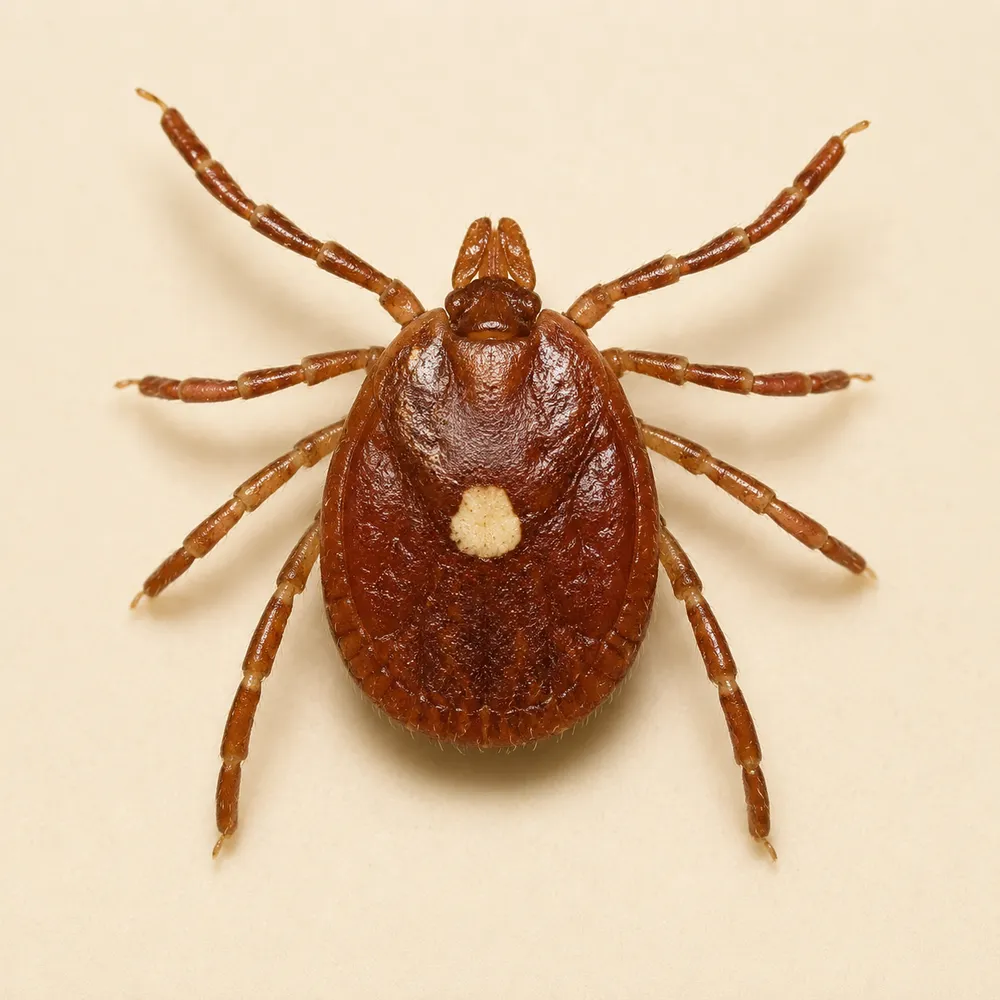
up close
Why choose Forterra for ticks in Dallas
Creek greenways thread through Dallas, and many yards back straight onto public parkland, so the edge where your grass ends is a wildlife corridor rather than a fence line. Opossums and raccoons along the alleys keep bringing ticks back. Forterra treats your side of that greenway edge as a deep band, points out the leaf litter holding them, and seals the house with the Zero Gap System™. Licensed TPCL #850046, with the money-back guarantee.
Forterra Dallas.
Tick work from the Dallas office focuses on the edge where Dallas yards meet creek greenways, treating at the height ticks wait rather than across the whole lawn.
Dallas, TX 75225
- Rating
- ★ 5.0 · 569 reviews
- Service
- Mon to Fri, 7:00am to 7:00pm
- Phones
- Phones answered 24/7
- License
- TPCL #850046
Why Ticks Thrive in Dallas
Ticks in the Dallas office's territory sit at the edges rather than in open lawn. For a small lot that means the fence line, the gap beside a garage and any corner where leaves pile up, all a few steps from the back door.
Wildlife using alley runs keeps bringing them back, which is why a single treatment rarely settles it. Your exterminator works the yard line and the harborage instead of the open grass, which is the prevention that keeps bites down between visits. Dallas homeowners with dogs get the best results when the vet's tick treatment runs on the same schedule as ours.
569+ five-star reviews.
Serving Dallas.
"Very professional work!"
"Hello! Cody Buchanan serviced our home last week! In side and outside in addition to a free pest control that Forterra was offering. Super polite and attentive. Forterra always had the most nicest people service us."
"Cesar from Forterra is awesome! He and the company always give good notice of their arrival and keep us up to date with new services they’re offering depending on the season!"
"Billy did an excellent job. Very thorough and knowledgeable. He was on time and efficient."
How Our Exterminators Treat Ticks in Dallas
Ticks sit on vegetation at the edges rather than living in open lawn. On a small Dallas lot those edges are close enough to the house that treating them properly matters more than covering the grass.
Treat edges
Fence lines, drip lines and brush edges, ankle height.
Ticks concentrate where lawn meets brush, fence lines, tree drip lines, tall grass and leaf litter, waiting at ankle height for a host. Treatment goes exactly there, not broadcast across open turf they avoid.
Cut carriers
Fewer hosts crossing the yard means fewer ticks restocking it.
Every tick in your yard arrived on an animal. Managing the rodent side, keeping harborage trimmed and treating pet runs breaks the resupply chain that keeps a yard infested.
Protect family
EPA-approved, kid-friendly and pet-friendly once dry.
Treatments are EPA-approved, applied to the harborage zones rather than play areas, and kid-friendly and pet-friendly once dry, usually 15 to 30 minutes. You get clear guidance on timing after every visit.
Where Ticks Show Up Around Dallas Homes
The shaded strip along a fence, leaf litter in an alley corner, and the base of mature shrubs beside a detached garage.
- 01
Fence-line beds
The classic questing zone. Ticks wait on grass tips along the fence run for a passing host.
- 02
Shaded beds
Leaf litter under trees stays humid enough for ticks to survive Texas summers.
- 03
Tree drip lines
The shade circle under each canopy is a micro-habitat; the barrier follows its edge.
- 04
Garden-bed edges
Where beds meet lawn is a transition line pets cross daily; it gets the ankle-height band.
- 05
Under the deck
Wildlife shelter that restocks ticks; treated and flagged for exclusion where needed.
- 06
Open lawn
Mowed, sunny turf is not tick habitat. We treat the edges that surround it instead.
Ready when you are. Real prices online in about 60 seconds, phones answered 24/7.
Our Tick Control Process in Dallas
We treat the yard line and harborage, point out the leaf litter and ground cover holding them, and say plainly that the pet's own tick treatment has to run alongside ours.
- 01
Transparent quote
Sixty seconds online or one phone call gets the yard priced, and the figure stands in writing. You pick reactive quarterly coverage or monthly prevention before anyone drives out.
- 02
First-visit inspection
Your exterminator walks the yard edges, fence lines, shaded beds and pet runs on the first visit. Lone star, dog tick and deer tick point to different harborage, so species identification leads.
- 03
Treat the zones
Barrier treatment through the transition zones and pet areas, with trimming and harborage recommendations that make the yard hostile to the next generation.
- 04
Guaranteed results
A tick found after treatment brings us back free. Quarterly coverage keeps the reactive side handled, and the money-back guarantee stands behind every visit.
Dallas Tick Control FAQ
Answers below cover greenway yards, ticks on dogs, health risk, timing and keeping animals off treated ground.
It explains most of it. Where a Dallas yard meets creek greenway the boundary is public parkland rather than a neighbor's fence, and that strip is exactly where ticks sit waiting at around knee height. Nothing about that arrangement is ever going to change, which is exactly why the work concentrates along there rather than across your open lawn.
Because a dog goes where you do not. The ticks are on vegetation along the greenway edge, not in the lawn, and an animal ranging across a Dallas yard pushes through that edge several times a day while the household stays on the cut grass. Money spent treating the open lawn therefore buys you almost nothing. The edge is where it belongs.
Yes, enough to take seriously without alarm. Some of the species around Dallas can carry disease, though any individual bite is unlikely to. Two things reduce the risk meaningfully. One is getting the population on the boundary down, and the other is taking a tick off correctly with steady pressure close to the skin rather than twisting or burning it off. Both matter.
Early spring, before anyone has been bitten. Numbers climb along the boundary as the weather warms, and a visit made ahead of that climb deals with a far smaller population than one made in June. A Dallas yard backing parkland has a long edge to cover, so the head start is worth more here than almost anywhere else.
Nobody can apply product to public land, and nobody should offer to. What is within reach is your own side of the fence, treated as a band rather than a line, so there is depth between the parkland and the part of a Dallas yard people use. Cutting the grass short right up to the fence adds to that.
The vegetation at about knee height, which is where a questing tick waits. Product put down at ground level passes underneath them, and that is the usual reason a fast perimeter spray disappoints. Your exterminator treats the transition strip at the height they actually occupy, and getting that right matters far more than how much product goes on the ground.
Prevention runs monthly on the mosquito plan through the active season, spring into fall, while the quarterly plan covers reactive treatment year-round. The opening visit carries the weight on an edge nobody has treated before, and later visits hold the line. Finding one on an animal between visits is a reason to call.
Until it dries, and no longer. Your exterminator will put a time on that before leaving. Because the treated ground is the boundary strip rather than the middle of the yard, most of a Dallas property stays available throughout. If there is a run or a shaded spot a dog favors, point it out and your exterminator will handle it accordingly.
Tick Control near Dallas.
Same treatment and the same guarantee from the same offices. See the DFW tick control overview →
Start at $49/mo.
Quote in 60 seconds.
No phone call. No credit card up front. See the real price for your home, pick a start date, and a technician will be at your door in about two business days.
- ✓Quarterly Zero Gap treatment
- ✓50+ pests covered
- ✓Free re-treats between visits
- ✓Licensed W-2 technicians, never subcontractors
- ✓Flexible contracts
- ✓Money-back guarantee