
Cricket Control in DFW
Late-summer cricket flights end at your door thresholds, garage corners and the slab edge, so that is where the treatment and sealing go. Our cricket control in DFW also covers the perimeter beds, with free re-treatment between visits.
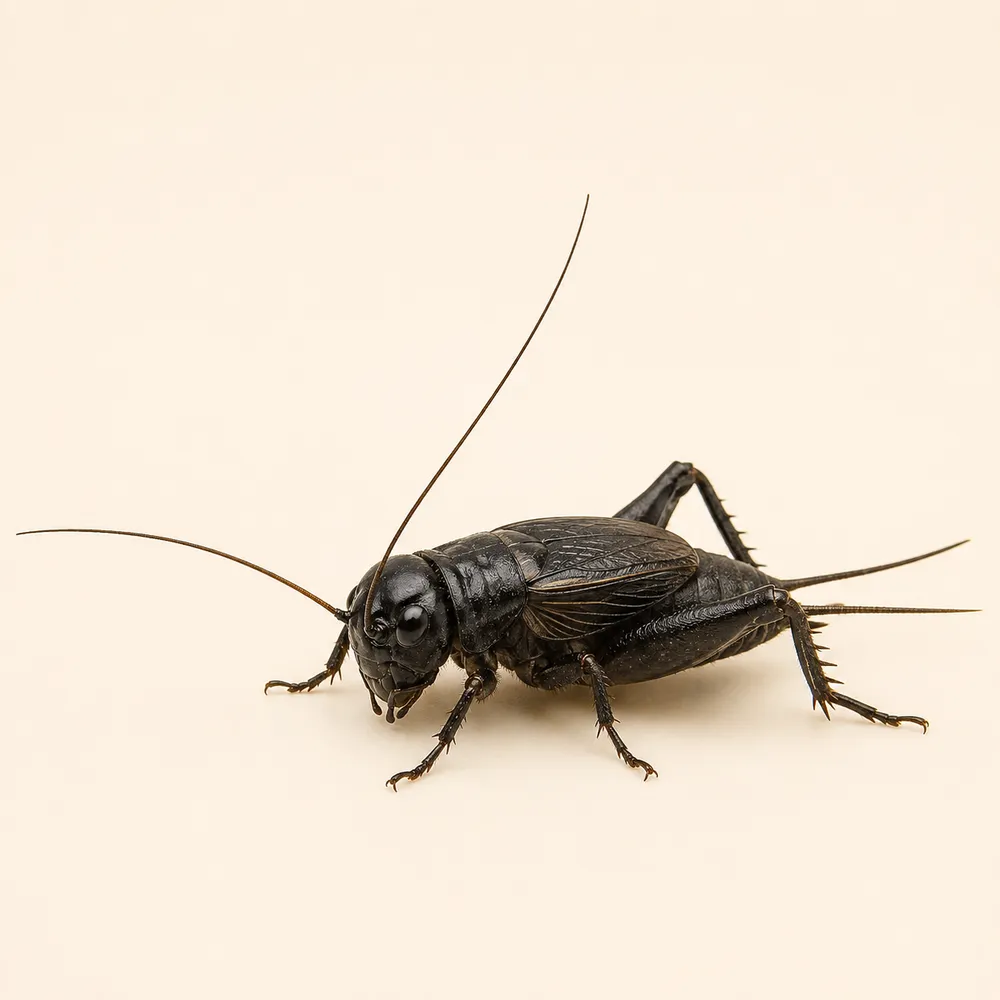
up close
Why choose Forterra for crickets
Crickets come to your building because it is lit, and in late summer they arrive in numbers that have nothing to do with the condition of the house. Treating indoors deals with the ones that got through and none of the ones still arriving. Forterra works on what is drawing them in and seals the openings with the Zero Gap System™. Texas Pest Control License TPCL #850046.
3,000+ five-star reviews.
All public. All verifiable.
"Allen was wonderful! Super thorough and professional :)"
"We love Forterra pest control. They sent out Cesar and he was amazing! Very professional, informative and took care of our problems areas."
"Gabrael did great job. He made sure every places are sprayed."
"Cody did a great job during our quarterly pest control! Thanks again!"
"These guys are great. They listen to your issues and concerns and then aggressively execute a plan to get results. Fronterra is highly recommend."
"great job on time...thanks again"
Cricket season, covered county-wide.
September swarms hit the whole metroplex at once. Three local offices absorb the rush without your appointment slipping.

HQ Southlake
Forterra Pest Control
Pest control service in Southlake, Texas
935 S Kimball Ave Ste. 162
Southlake, TX 76092
2 Dallas
Forterra Pest Control
Pest control service in Dallas, Texas
8300 Douglas Ave Ste. 800 - #802
Dallas, TX 75225
3 Aubrey
Forterra Pest Control
Pest control service in Aubrey, Texas
9053 Ike Byrom Rd Ste 2C
Aubrey, TX 76227
Signs crickets are past 'just one chirping somewhere.'
Every North Texan knows the fall cricket swarms. These are the signs the swarm picked your house, and why it matters beyond the noise.
Chirping indoors at night

One male chirping behind a water heater is loud enough to ruin sleep, and he goes silent the moment you get close; tracking by sound alone can take days. Chirping from more than one room means the wave is inside.
Black drifts at doors and lights

During the fall flights, field crickets pile up under storefront lights and porch fixtures, sometimes in drifts. A porch light left on during the flight nights is an invitation directly to your door gap.
Chewed fabric and paper

Trapped crickets feed on what is available. They roughen and hole natural fabrics, chew paper and cardboard, and gnaw seedlings in garages and sunrooms. Boxes of stored clothes in a garage are a favorite.
Scorpions finding them first

Crickets are the base of the food chain for scorpions and spiders, and a cricket-rich garage is a stocked hunting ground. If cricket season also brings scorpion sightings, the two are the same problem, and treating the crickets thins both.
Spotted any of these? Get your exact price online in about 60 seconds, or call the office and we will take it from there. See my price →
Manage the light, seal the gaps, treat the band.
The fall flights navigate by porch light and walk in under doors. Kill the beacon, close the gaps, and keep the perimeter treated when the wave comes, which is how you get rid of crickets.
Fix lighting
Warm-toned bulbs shrink the beacon.
Flying field crickets navigate to bright white light, which is why they drift up at lit doors. Swapping entry fixtures to warm or yellow LEDs and cutting unneeded overnight lighting removes the signal that aims the swarm at your house.
Seal doors
Door sweeps and garage seals close the landing strip.
Crickets walk in under garage doors and thresholds, the same routes as everything else. Door sweeps, garage seals and screened weep holes turn the drift at your door into a drift that stays outside.
Treat perimeter
The barrier is in place before the August flights start.
The Zero Gap perimeter treatment covers the foundation line, door zones and harborage where crickets stage, and the quarterly cadence means the fall flight meets a treated barrier. Less crickets also means less of what hunts them, scorpions and spiders.
On flight nights, six doors matter most.
September's field cricket flights land at your lights and walk the wall until something gives. This is the pre-flight checklist we run on the structure.
- 01
Garage door bottom
The number-one cricket entry in DFW, where the drift at the lit driveway walks straight under the worn seal.
- 02
Weep holes
Ground-level and shadowed, crickets shelter in weeps by day and end up in walls by night.
- 03
Dryer vent
A stuck flap is an open invitation two feet off the ground.
- 04
Utility penetrations
Slab gaps behind beds and shrubs collect the yard's crickets every cold snap.
- 05
HVAC penetrations
Warm mechanical voids draw the late-season stragglers.
Ready when you are. Real prices online in about 60 seconds, phones answered 24/7.
When crickets hit hardest in DFW.
Cricket year in DFW is one long buildup to the famous late-summer flights, when field crickets swarm lights by the thousand for a few spectacular weeks.
When to start: Any time of year. Coverage is year-round on the quarterly plan, so the right month to start is the one you are in; the first visit targets whatever the current season is sending.
Forterra's cricket process, step by step.
A fall cricket infestation feels chaotic. Our cricket exterminator response runs four ordered steps, priced up front and finished under the standing guarantee.
- 01
Transparent quote
Get the number before the visit. The online quote takes about a minute, the phone version a couple more. Cricket coverage prices as part of the quarterly plan, fixed in writing.
- 02
First-visit inspection
Your exterminator reviews entry gaps, lighting, harborage and the garage, and in fall also checks what the crickets are feeding, since scorpion and spider pressure rides their numbers.
- 03
Treat and seal
Perimeter band and staging areas treated, door and garage gaps closed, and lighting swaps recommended where fixtures are aiming the flight at your house.
- 04
Guaranteed results
We re-treat chirping that comes back between visits for free. Under it all sits the money-back guarantee, the same one every Forterra plan carries.
Questions, answered plainly.
If you don't see yours, call (817) 665-6527 or text us, a human will answer.
The late-summer flights are field crickets emerging en masse to mate, and DFW's hot summers followed by early-fall rains time it perfectly. The swarms navigate by bright light, which is why gas stations and lit storefronts disappear under them for a few weeks. It is predictable, which means a prepared house barely notices it.
He stops chirping when you approach because he feels the vibration, which is what makes it maddening. Triangulate from another room, then check the warm, dark spots, behind the water heater, under appliances, in the garage corner. Or skip the safari. One chirper usually means an open gap, and sealing it matters more than catching him.
Outdoors, no, they are food for other insects and everything else in the yard. Indoors and trapped, they chew natural fabrics, paper and cardboard, which is why boxes of stored clothing in garages take the damage. The bigger cost is what they attract. A cricket-rich garage is a hunting ground for scorpions and spiders.
Noticeably, during flight season. Flying crickets steer toward bright white and blue-white light and find warm yellow far less attractive, so swapping entry and garage fixtures to warm LEDs draws far fewer of them on flight nights. Combined with sealed door gaps, it is most of the battle, and it costs almost nothing.
Cricket treatment comes with the quarterly plan at $49 a month for standard homes. Your exterminator treats the perimeter ahead of fall flights on the normal cadence and flags door gaps and lighting that invite them.
Remove the ones already inside with a vacuum or a jar, then dry out the rooms they hide in. Crickets need moisture, so a dehumidifier in the garage or laundry room shortens their stay. Glue boards along garage walls catch the stragglers. The lasting fix sits outside, a sealed door line and a perimeter treatment applied before the late-summer flights.
Spider crickets, also called camel crickets, live in DFW all year but turn up indoors most from late summer through fall, and again during long hot, dry spells. They are humpbacked, wingless and silent, and they hide in damp, dark spots such as garages, crawl spaces, sheds and window wells. A sudden crowd of them usually points to a moisture problem close by.
Because it is the largest opening on most buildings and the seal beneath it is rarely perfect. A garage door that has dropped slightly or lost the flexibility in its bottom strip leaves a gap running several feet wide, which is an invitation on a night when hundreds are already at the wall. A garage door seal is cheap to replace and almost never checked.
Cricket Control, city by city.
The cricket control pages list every serviced city with its office and the common fall pressure there.
Start at $49/mo.
Quote in 60 seconds.
No phone call. No credit card up front. See the real price for your home, pick a start date, and a technician will be at your door in about two business days.
- ✓Quarterly Zero Gap treatment
- ✓50+ pests covered
- ✓Free re-treats between visits
- ✓Licensed W-2 technicians, never subcontractors
- ✓Flexible contracts
- ✓Money-back guarantee