

Residential Pest Control
Starting from
$49 /mo
Ants, roaches, spiders, scorpions, crickets, wasps, fleas, ticks. Quarterly Zero Gap treatment™, the foundation of Forterra's treatment plan.
Learn more about residential pest control →Inside and outside, each visit treats the house, and the first one also closes the gaps pests use to get in. If anything returns between visits, pest control in Fate sends your technician back at no charge.

Streets in Fate are appearing faster than the landscaping around them matures, so your home has the pressure of open country with none of the buffer. Forterra treats that exposure directly instead of applying a plan built for a settled suburb. Entry points close with the Zero Gap System™. Licensed TPCL #850046, backed by the Forterra money-back guarantee.
"Did good"
"All good"
"Thanks Ryan. Great service."
"Fantastic service and very affordable. Cobie (the tech) has always been very friendly, professional, and helpful. If you're looking for pest control, Forterra is the perfect place! 100% recommend!"
75087 and 75189 carry Fate's spread, established core through phases still framing. We verify a street the navigation databases will meet next quarter now, through one (972) 349-1621 conversation, and the measurements alone set each figure, with interstate-corridor momentum adding exactly nothing. The town outgrows its own maps every quarter, and the arithmetic stays parked in plain view, deliberately untouched by any of it.
The Dallas office covers Fate from 25.2 miles west, far-east commitment held since 2025, and Fate addresses join the 569 reviews behind ★ 5.0 as fast as the closings clear. Corridor distance rewrites no terms, the windows hold their shape, follow-ups stay free, the posted math sits still, and the crew tracks each new phase like incoming weather.
Most DFW pest companies hide prices to size you up. We don't. Here's what our four core services cost, no hidden surprises. A 12-month plan takes about $200 off your first service, or go month to month at the full first-service price. We do one-time treatments too.
Ants, roaches, spiders, scorpions, crickets, wasps, fleas, ticks. Quarterly Zero Gap treatment™, the foundation of Forterra's treatment plan.
Learn more about residential pest control →
Sentricon® Always Active baiting and annual monitoring. Subterranean termites cause 98% of DFW termite damage, catch them early.
Learn more about termite control →
Monthly yard + perimeter fog treatment April–October. Knocks down adults and kills larvae in standing water. Backyards you can actually use.
Learn more about mosquito control →
Exclusions to stop entries, trapping to catch what's there, and monitoring and prevention with bait stations. We do it all so you are rodent-free.
Learn more about rodent control →Construction displacement rules the Fate pest calendar, field mice and scorpions testing each newly finished street, fresh sod importing fire ant colonies by the truckload, and stock-pond edges keeping mosquito evenings dependable. Every Fate pest page below pairs the marks an infestation leaves with what it damages and current pricing, one quarterly visit rolling the boomtown roster into a same-day report, phase by phase.
Termite Control Rodent ControlMosquito ControlAnt Control
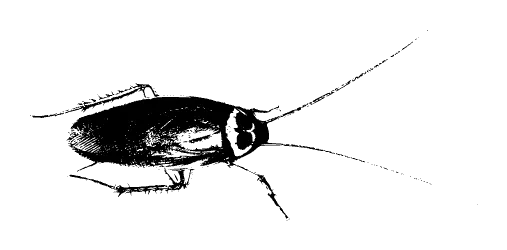 Cockroach Control
 Spider Control
 Wasp & Hornet Removal
 Flea Control
 Tick ControlRat ControlMouse ControlCarpenter Ant Control
 Scorpion Control
 Fly Control
 Silverfish Control
 Beetle Control
 Earwig Control
 Chigger Control
 Moth Control
 Cricket Control
 Pantry Pest Control
 Mite Control
First-year sealing headlines the Fate menu while the phases pour, with quarterly protection settling into maintenance mode after that opening season closes the builder gaps. Young slabs suit Sentricon-style monitoring, pond-adjacent sections favor the mosquito program, and lone problems book as papered one-time jobs. Quarterly pest control and the customized pest management Fate, TX phases need both quote before any appointment, because that sequence is the point.
Brand-new streets, sealed before settling. Fate's slabs arrive wearing production-speed shortcuts, packed-not-sealed penetrations, bare weep runs, hurried thresholds, and the survey works down that list ahead of the displaced prairie's arrival. The first-year seal matters most here precisely because the surrounding construction never pauses, and the quarterly barrier keeps the win compounding street by street. Sealing builder gaps in a home's first year is pest prevention, and it protects the house from mice and scorpions as streets fill.
Your tech walks all 6 zones, foundation, eaves, entry points, doors/windows, garage, yard, and logs what they find. They're then able to customize the treatment.
Perimeter treatment at the foundation, eave sweep, targeted spot treatments in high-pressure zones. We use the minimum effective product, not the maximum billable volume.
This is the part everyone else skips. Weep holes, utility penetrations and seals that failed years ago, each closed with the material that suits it. It's slower. It's better. And it stays with your house forever.
Before we leave, you get a detailed report of what was treated, what was sealed, and what we flagged for the next visit. See a pest between services? Text us. We come back free.
Ready when you are. Real prices online in about 60 seconds, phones answered 24/7.
Fate runs the boomtown double calendar, nature sending fire ants after spring rain, pond mosquitoes through summer and garage-seeking mice behind the year's first real front, while construction adds displacement pulses in every month holding a permit. Seasonal pest control answers both rhythms at once and year-round, so the barrier peaks whenever either pattern does.
When to start: Any time, but new customers who start in January–March typically see the smoothest first summer. Mid-summer starts still work (we just treat a little harder on visit one).
Rockwall anchors the lake country west of Fate, Royse City booms east down the interstate, and Heath holds the shoreline south, each documented from its own particulars here. Growth-corridor addresses and lakeside estates read one identical table. All part of Pest Control in Rockwall County, TX, the far-east run mapped with the same rigor as mile one.
The same promise in Fate. See a pest between visits? Text us. We re-treat free as many times as it takes. Still not satisfied? We refund your last service. Still in your first year? We'll cancel with no fees.
Fate asks what service costs, why new homes see pests so quickly and how new-build protection works, and the answers below stay concrete. Phase-level particulars get their weekday hearing at (972) 349-1621, written confirmation directly after, calendar space last. A town growing this fast deserves answers that already know the mechanism, so these do.
Yes. A pretreatment goes into the soil before the crew pours the slab, the one point in a house's life when a crew can treat the ground under the entire foundation. If you are working with a builder, raise it early so the treatment fits the schedule ahead of the pour. Keep the paperwork afterwards, since buyers and lenders often ask about termite protection years later.
It absorbs. Mature planting on a settled street intercepts a great deal before anything reaches a wall, which is why an older suburb feels quieter than a Fate phase two streets from open ground. Until that growth arrives the treated band has to do the work the landscaping is not doing yet, which means it goes down wider.
Any month works. A late-winter start puts sealing and a fresh barrier in place before the busiest stretch of the year, while a summer start simply means a heavier first visit. Winter visits on the plan concentrate on sealing and on setting up the spring barrier, so a start in the cold months still pays off. The online quote shows your price before you choose a date.
Not one that survives a phone call. Builders here regularly finish streets and families move in before any mapping application catches up, so the office verifies an address directly and writes it onto the account. Both Fate ZIP codes, from the established core out to the newest phases where crews have barely poured the slabs, are standing coverage rather than conditional on anything.
It will, and noticeably. Once the landscaping matures and building covers the nearest open ground, the pressure on a Fate property drops toward what a settled suburb sees. That takes several years rather than several months. In the meantime we build the plan for the exposure you actually have rather than the one the street will have later.
Get it hauled off quickly. Lumber scraps, sod pallets, broken brick and leftover insulation on Fate lots give mice, scorpions and black widows instant shelter beside a brand-new house. Ask the builder to clear their scraps, and avoid stacking your own leftovers against the wall or in the side yard. Your exterminator treats around the slab and seals builder gaps, but debris piles keep supplying new arrivals.
New lots settle during the first year or two, and soil that once sloped away can start draining toward the house. In Fate, that pooled water softens the clay along the slab, draws ants and termites toward the foundation, and breeds mosquitoes in a week. Extending downspouts, adding splash blocks and asking the builder to regrade low spots fix most of it. Your exterminator points out problem spots during each visit.
Usually through gaps the builder left. In Fate, a garage door nobody adjusted to meet the slab, an open corner beside the door track, or an unsealed pipe chase behind the water heater lets mice walk right in from the open land next door. Adjusting the door and closing those gaps early stops most of them. For mice indoors, the interior inspection costs nothing.
No phone call. No credit card up front. See the real price for your home, pick a start date, and a technician will be at your door in about two business days.