How to Keep Bugs Out of Your House in DFW
Keep bugs out of your house by closing the gaps they crawl through and taking away the moisture, shelter and light that draw them close. Seal doors, windows and utility lines, fix drips along the slab, pull mulch and plants back from the walls, and change the porch light. No gadget or spray replaces that work.
On this page
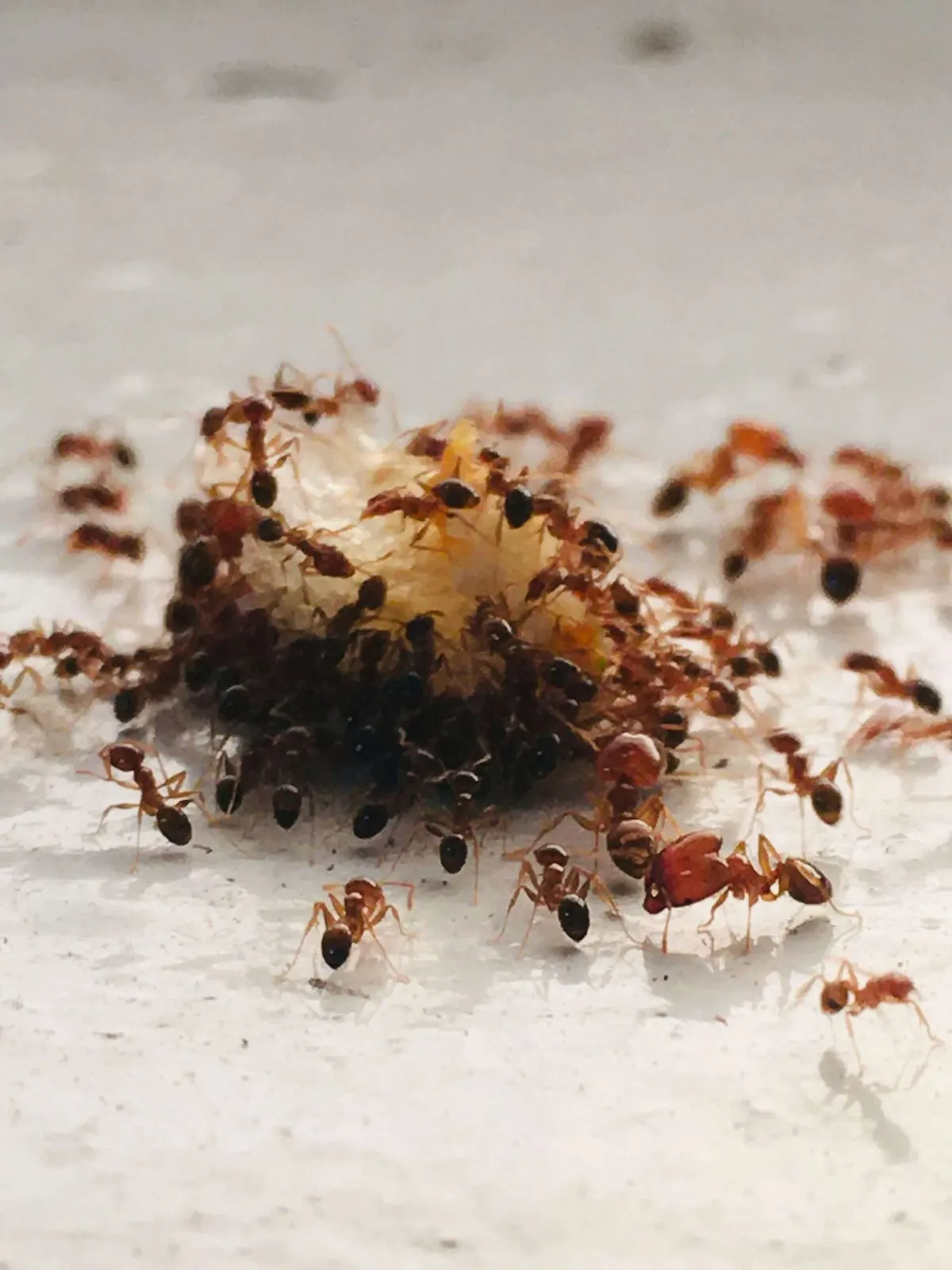
Seal the Gaps Bugs Crawl Through
Most insects walk in through openings you would never notice. A gap of 1/16 inch is enough for many insects and spiders, and a mouse needs only a hole the size of a dime. Janet Hurley, Texas A&M AgriLife's integrated pest management specialist in Dallas, suggests a simple test. Slide a credit card between each door or window and its frame, and if the card goes through, bugs can too. Texas A&M AgriLife's advice from its Dallas IPM specialist also covers weatherstripping and silicone for small cracks.
Walk around the outside of the house once each season and check these spots.
- Lie on the floor at each exterior door during the day and look for daylight under it, then add a brush or rubber door sweep where you see any.
- Seal around pipes, wires, cable lines and the AC line where they enter the wall.
- Close gaps around the dryer vent, outdoor faucets and the electric and gas meters.
- Replace torn window screens and worn weatherstripping on doors and windows.
- Look along the bottom of the garage door, especially at the two corners, for daylight.
Match the material to the opening. Caulk fits thin cracks, foam fills larger voids, and copper mesh works in openings that need to breathe. That matters on DFW brick homes, which have weep holes along the bottom row of brick. Those holes let moisture and air escape from behind the brick, so never caulk or mortar them shut. Stuff them with copper mesh instead. Our entry-point check that covers weep holes, thresholds and utility lines seals small gaps like these on every home we treat.
Dry Out the Ground Along the Slab
Roaches, ants, silverfish and termites all need water, and DFW homes often give it to them right at the foundation. Our clay soil holds water long after the surface looks dry. Sprinkler heads that spray the brick, an AC condensate line that drips at the slab and downspouts that empty against the house keep that strip of soil wet all summer.
Aim sprinklers away from the walls, and run downspouts and the condensate line a few feet out into the yard. Indoors, fix slow leaks under sinks and around the water heater, since a damp cabinet gives roaches the water they need. LSU AgCenter lists frequent sprinkler or drip watering beside the foundation among the conditions that raise the risk of subterranean termites. Florida's building code goes further and requires irrigation to sit at least 1 foot from a building's wall.
Pull Landscaping Back From the House
Shrubs, vines and tree limbs that touch the house give ants, roaches and spiders a bridge to the walls and roof. Trim plants so they stand clear of the siding, and cut back branches that hang over the roof. Keep firewood, lumber and other stored materials away from the walls.
Mulch holds moisture and hides insects, so keep it thin near the house. UF/IFAS suggests no more than 2 inches of mulch within 12 inches of the foundation. LSU AgCenter recommends leaving 6 inches of slab showing, and planting shrubs at least 3 feet from the walls, which helps with ants and spiders as well as termites. Watch the trees too. Carpenter ants often nest in trees, especially crape myrtles, and trail from them onto the house. Keep limbs off the roof and walls so the trail has no bridge, and see how we track carpenter ants from DFW trees back to the nest.
Use Porch Lights That Draw Fewer Bugs
Light pulls flying insects to your doors, and the spiders that eat them follow. Mike Merchant's Texas A&M fall cricket factsheet calls outdoor lighting the most important single cause of severe cricket infestations around homes. Texas sees cricket swarms every late summer and fall, and they last four to six weeks. During the September cricket flights, a bright light by the front door can leave a pile of crickets on the porch by morning.
Turn off outdoor lights you don't need, and point the ones you keep away from doorways. When you replace a bulb, choose a warm-white LED. In a season-long light-trap test of six common porch bulbs, warm-white LEDs drew the fewest insects. They beat even the yellow "bug light", and the yellow bulb attracted the most earwigs. Warm light draws fewer insects, but it does not make a house invisible to them.
What Keeps Bugs Out and What Doesn't
The table below rates common ways people try to keep bugs out of a DFW home.
| Fix | Does it keep bugs out? | Why |
|---|---|---|
| Door sweeps and weatherstripping | Yes | They close the gaps around doors, a common way in |
| Caulk and copper mesh at gaps | Yes | Sealing lasts longer than any spray |
| Warm-white LED porch bulbs | Partly | They draw the fewest insects to the door, but not zero |
| Yellow bug lights | Partly | They beat white bulbs but drew the most earwigs in one test |
| A perimeter spray alone | For a while | Products wear down, and insects keep arriving from the yard |
| Ultrasonic plug-ins | No | FTC investigations found ultrasound does not control insects |
The Federal Trade Commission has sent warning letters to more than 60 makers and sellers of ultrasonic pest devices, so skip the plug-ins. A spray works best as a partner to sealing, not a replacement for it.
No house is ever fully sealed either. University of Kentucky entomologists point out that complete pest-proofing takes a lot of work and is sometimes impractical. Seal what you can reach, fix the moisture, and recheck each season, because houses on DFW clay shift and caulk ages. Our preventative visits recheck those spots every quarter, and the quote for your home is online.
Keeping Bugs Out FAQ
How do you keep bugs out of the house with the windows open?
Keep screens on every window you open, and repair any tears or gaps around the frame. Turn off lights near open windows after dark, because light draws insects straight to the screen.
How do you get rid of bugs in the house permanently?
No single step works forever. Sealing, drying out the slab and keeping plants off the walls cut the number of bugs that get in. Recheck those spots every season, since new gaps and leaks keep appearing.
How do you keep bugs out of the house in summer?
Hot, dry DFW summers send ants and roaches looking for water, so fix drips and empty standing water around the yard. Keep doors closed at dusk, when many insects are most active, and keep the sweeps on exterior doors in good repair.