Pest Prevention Habits for DFW Homes
Pest prevention starts with taking away the food, water and shelter that pests need. In a DFW home, that means wiping up crumbs and grease, emptying pet bowls at night, fixing drips, cutting cardboard clutter and dumping standing water every week. Small habits like these do more to prevent pests than any spray.
On this page
The Three Things Every Pest Needs
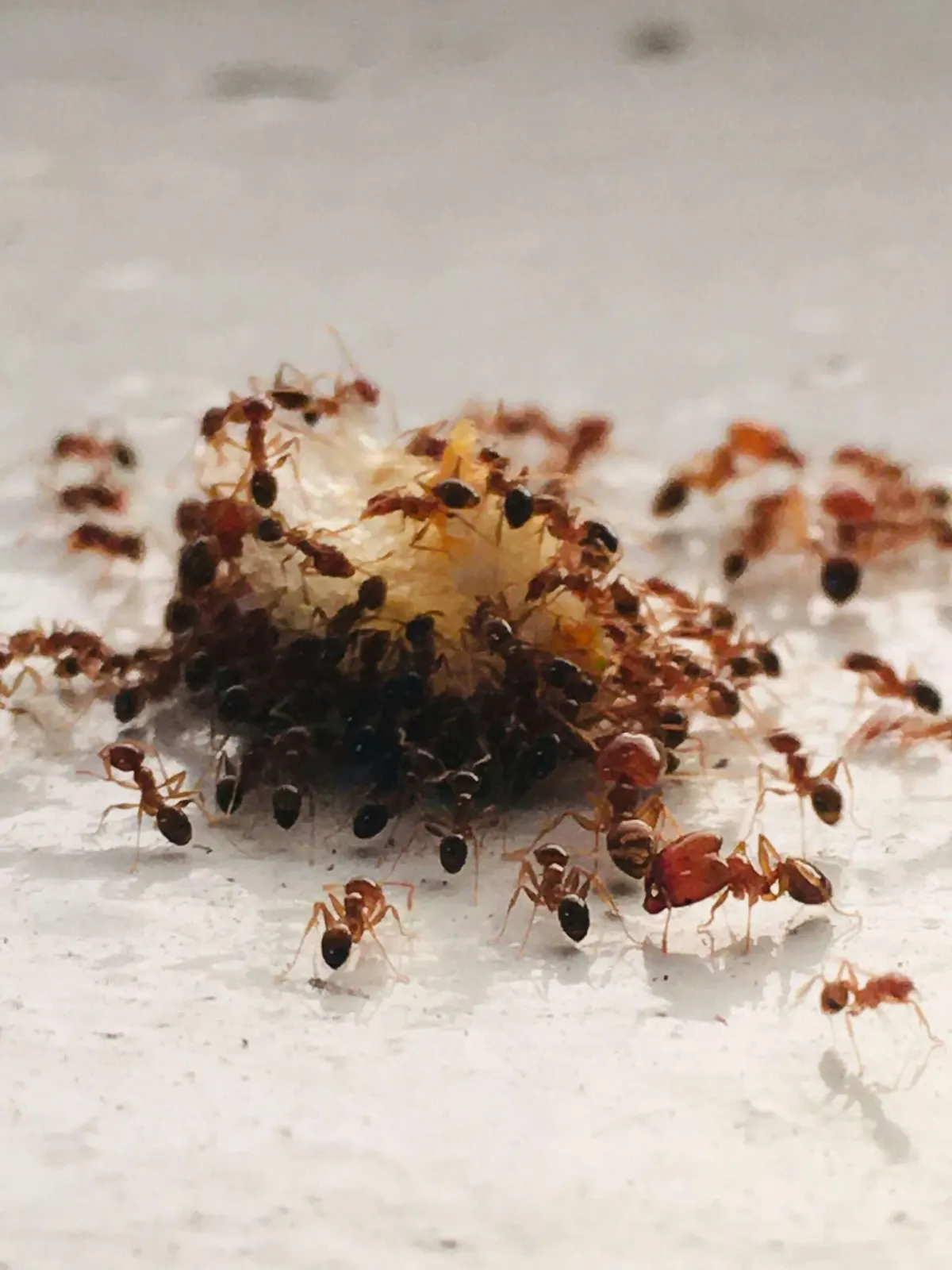
Ants, roaches, mice and most other house pests come inside for the same three things, which are food, water and a place to hide. Take away one or two, and a house stops being worth the trip. That's the idea behind integrated pest management, which the EPA's introduction to integrated pest management describes as a series of steps that put prevention ahead of spraying.
Water is often the easiest one to fix in DFW. Long dry summers send ants and roaches looking for moisture, so a dripping faucet or a sweating pipe under the sink can draw them into a spotless kitchen. Food and shelter take more daily attention.
Daily Habits in the Kitchen
The kitchen feeds more pests than any other room. A few minutes each night keeps it from becoming a food source.
- Wipe counters and the stovetop after dinner, since grease draws ants and roaches as much as sugar does.
- Store cereal, flour, pet food and birdseed in containers with tight lids.
- Run the dishwasher or wash dishes before bed instead of leaving them in the sink.
- Rinse cans and bottles before they go in the recycling bin.
- Pick up pet bowls before bed and refill them in the morning.
Texas A&M AgriLife's cockroach guide also suggests keeping mops and wet rags off the floor, because roaches find water in them overnight.
Habits That Keep Pests From Hitching a Ride
Some pests don't crawl in from the yard. People carry them in. German cockroaches usually arrive in bags, boxes or appliances from another infested home, an apartment or a restaurant, and once inside they breed in every season.
Check secondhand appliances, furniture and moving boxes before they come inside, and unpack grocery and delivery boxes in the garage. Break down cardboard and recycle it rather than stacking it in a closet, since roaches and spiders hide between the layers. A box that sits for a month makes a better hiding spot than a box that leaves the house the day it arrives.
Habits Outside the House
The yard feeds pests too, and most of that food is easy to miss. Pick up dog waste every day or two, since it can breed flies within a week in DFW heat. Rake up fallen fruit and pecans, which feed rats, ants and late-summer yellowjackets.
Bird feeders scatter seed that mice and rats find overnight, so hang them away from the house and sweep up spills. Keep trash and recycling bins closed with tight lids, and hose them out now and then so the smell doesn't draw flies and wasps to the side of the garage.
A Year of Pest Prevention in DFW
Each DFW season brings different pests, so the habits that matter shift through the year. This table lists what to focus on and which pests each habit heads off.
| Season | Habits to focus on | Pests it heads off |
|---|---|---|
| Winter | Check the attic and garage for droppings, and seal gaps around pipes and doors | Mice and rats looking for warmth |
| Spring | Clear gutters, dump standing water weekly and watch windowsills for termite wings | Mosquitoes and termites |
| Summer | Empty outdoor pet bowls, keep trash lids shut and knock down small wasp nests early | Ants, roaches, wasps and flies |
| Fall | Stack firewood away from the house and replace worn door sweeps before cold fronts | Mice, crickets and overwintering wasps |
Mosquito habits shouldn't stop in October, though. In DFW, any month with rain and temperatures of 60°F or more can hatch a fresh round of mosquito eggs, including a mild stretch in January.
When Habits Aren't Enough
Good habits cut down how many pests try to move in, but they can't stop termites in the soil or wasps that rebuild in the same eave every year. Some pests return no matter how clean the house is, because they come for the yard, the climate or the structure itself.
That's where scheduled treatment fits. Forterra's preventative pest control treats the outside of the house before pests settle in, and a quarterly treatment schedule repeats it through the year. The winter visit puts extra focus on sealing gaps before spring. For homes in northeast Tarrant County, pest control in Southlake covers the same seasonal checks.
Pest Prevention FAQ
Does a clean house prevent pests?
It lowers the odds without ruling pests out. A clean kitchen takes away food, but moisture, gaps around doors and items carried in from elsewhere can still bring pests into a spotless home.
What are the most common household pests in DFW?
Ants, cockroaches, spiders, mosquitoes and mice top the list for most DFW homes. Termites are common too, though most homeowners don't see them until they swarm in spring.
How often should I check my home for pests?
A quick look once a month works for most homes. Check under sinks, behind the fridge, in the garage and along the foundation outside, and look closer after heavy rain or a cold snap.
If pests keep turning up despite good habits, a quick online or phone quote is the first step, and we'll find out what's drawing them in.