When DIY Pest Control Works
DIY pest control works well on pests that live outside and wander in, especially when you catch them early. Ant trails, crickets, a few spiders and fire ant mounds all fit that pattern. It usually falls short against pests that breed inside the walls or need special equipment, such as German cockroaches, termites and rats in the attic.
On this page
What DIY Pest Control Does Well
Most successful DIY work removes what pests need rather than spraying what you see. Fixing a leak under the sink, keeping food sealed, closing gaps around doors and pipes, and dumping standing water after every storm all cut pest pressure for little money. Those habits matter in DFW, where heat drives insects toward water and storms refill every container in the yard.
Targeted products help when they match the pest. Ant baits placed right on a trail let workers carry the poison back to the colony, which works better than spraying the ants you can see. A few snap traps along the wall handle a single mouse. A long-range wasp spray takes down a starter nest under the eaves, as long as you stand well back.
Fire Ants Are a DIY Success Story
Fire ants show how well DIY can work when you follow tested advice. Texas A&M's fire ant specialists recommend the two-step method. First you broadcast a fire ant bait across the whole yard, and later you treat any problem mounds still active. Texas A&M AgriLife's spring fire ant guide reports that a broadcast bait can give 80 to 90 percent control for up to a year. It names spring and fall as good times to apply it.
The method has limits. Fire ants drift in from neighboring yards, so the mounds come back over time, and treating the whole neighborhood works better than treating one lawn.
Where DIY Usually Falls Short
Some pests beat store-bought products because of where and how they breed. German cockroaches multiply fast inside cabinets and appliances, and they need gel baits and growth regulators placed in the right cracks. Repellent sprays can scatter them deeper into the walls instead.
Termites live underground and reach the house through mud tubes you rarely see, so treatment means trenching around the slab or installing bait stations, followed by monitoring. Rats in the attic need their entry points found and closed before trapping works, and that often means ladder work along the roofline. Fleas hide as eggs that insecticide can't reach, so they keep hatching for weeks after a spray.
DIY Pest Control by Pest
This table sorts common DFW pests by how often a homeowner can fix them alone.
| Pest | Does DIY usually work? | Why |
|---|---|---|
 Ant trails |
Often | Baits on the trail reach the colony |
| Fire ant mounds |
Often | The two-step bait method works well in DFW lawns |
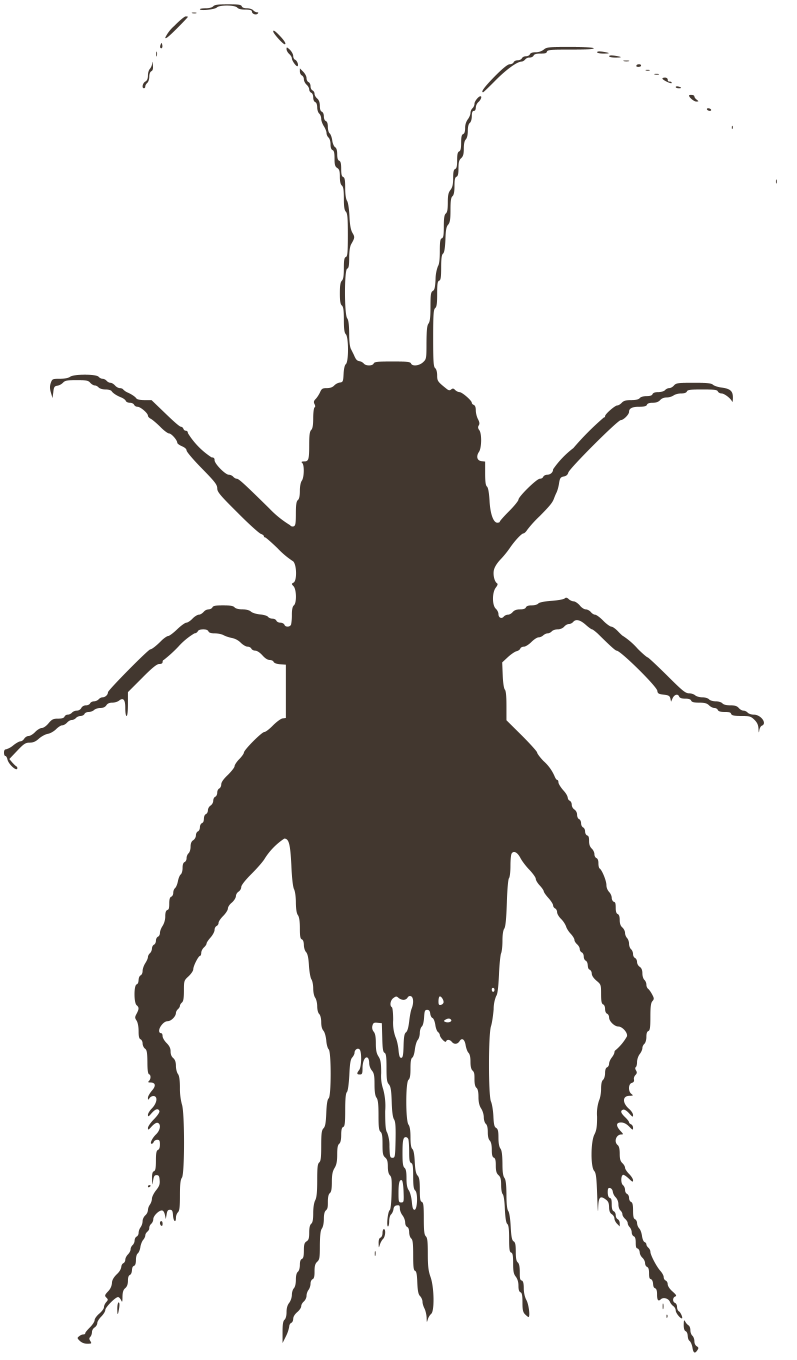 Crickets and stray invaders |
Often | Fewer lights, sealed gaps and dry edges cut them down |
 Mosquitoes |
Partly | Dumping water helps, but neighbors' yards keep supplying them |
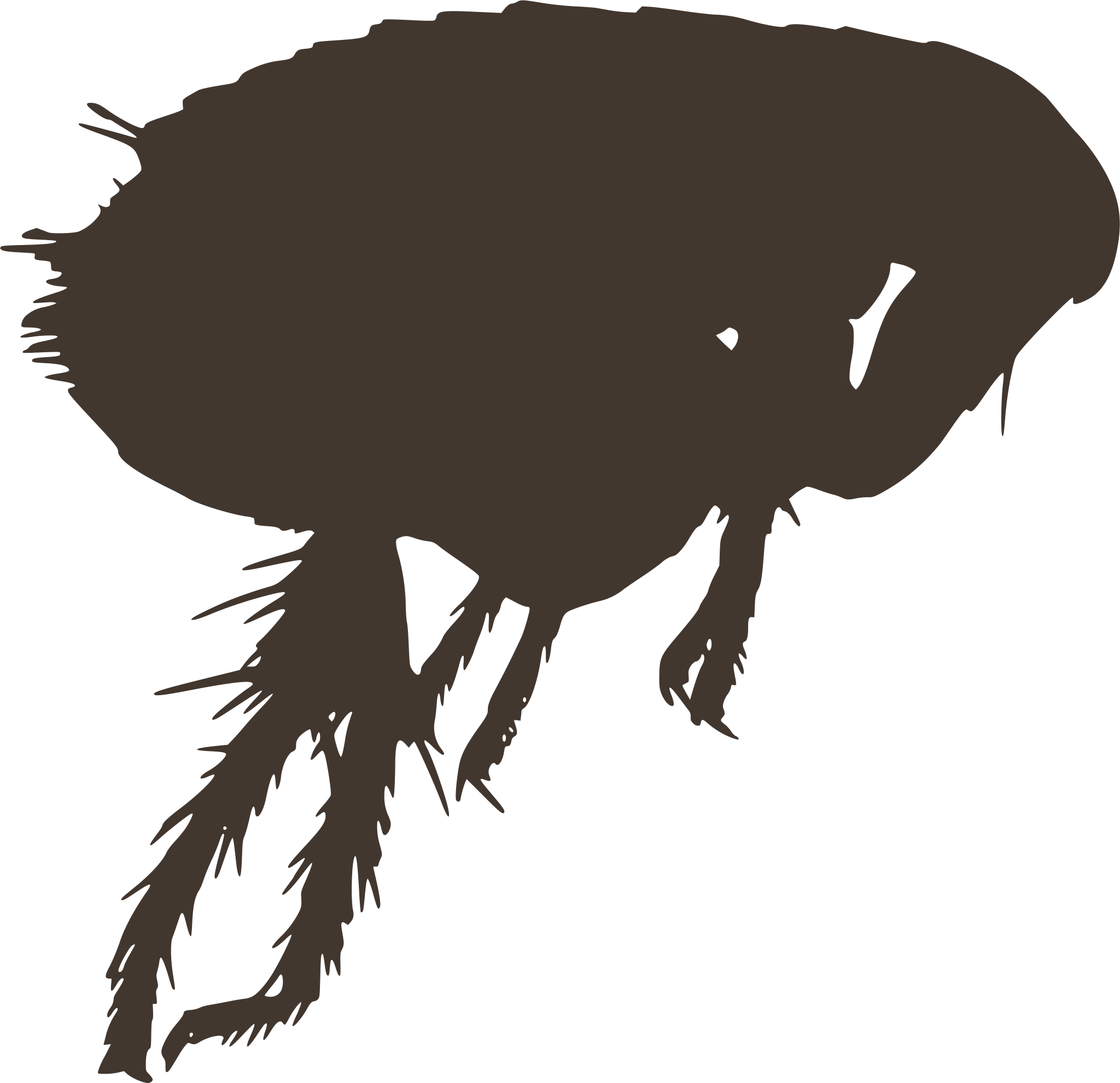 Fleas |
Partly | Pets, house and yard all need treatment at the same time |
 Mice in the kitchen |
Partly | Traps catch a few, but gaps the size of a dime let more in |
 Rats in the attic |
Rarely | Entry points are high and hard to find |
 German cockroaches |
Rarely | They breed inside walls and need targeted baits |
 Termites |
No | The colony lives in the soil under the slab |
Texas Rules for Treating Your Own Home
Any pesticide you buy carries legal limits. The EPA's guide to pesticide labels puts it simply, the label is the law, and using a product in a way the label doesn't allow violates federal law. The label tells you where the product can go, how much to use and whether pets and kids need to stay away while it dries.
Texas lets you treat your own home with products sold for home use. Restricted products and treating other people's homes for pay both require a license from the Texas Department of Agriculture.
When to Call for Help
Two failed rounds of DIY treatment usually means the source is somewhere you can't reach. Pests breeding indoors, damage to wood or wiring, and anyone in the house with allergies or asthma are also good reasons to stop experimenting. For pests that keep coming back each season, quarterly pest service handles the outside barrier while you keep up the habits. German cockroaches are the classic DIY dead end, and our cockroach treatment for DFW homes uses the targeted baits they require.
DIY Pest Control FAQ
Can you do your own pest control?
Yes. In Texas you can treat your own home with products labeled for home use, as long as you follow the label. You need a license only to use restricted products or to treat other people's property for pay.
What is the best DIY pest control?
Removing water, food and entry points does the most good, followed by baits matched to the pest. Sprays aimed at every bug you see do the least.
Is DIY pest control worth trying first?
For ants, crickets, a few spiders or a fire ant mound, yes. For termites, German cockroaches or rats you hear in the ceiling, waiting usually lets the problem grow.
DIY handles a lot, and the hard cases are easy to spot once you know them. When one of them shows up, our online quote gives you a price, and our office answers the phone too.