Natural Pest Repellent Options Ranked by Evidence
The natural repellents and deterrents with real evidence are the plant-based ingredients the EPA registers for use on skin, led by oil of lemon eucalyptus for mosquitoes. Most other home remedies, from essential-oil sprays to coffee grounds and grits on fire ants, have little or no evidence behind them. Even the good ones protect a person, not a house.
On this page
Natural Pest Repellent Options With Real Evidence
The EPA draws a clear line that most "natural" products never mention. Before most skin repellents go on sale, the maker has to register them, and the EPA reviews data on whether they work. A few plant-based ingredients have cleared that bar. Oil of lemon eucalyptus and its active compound, PMD, appear in six registered products each. Catnip oil appears in four, and oil of citronella in three.
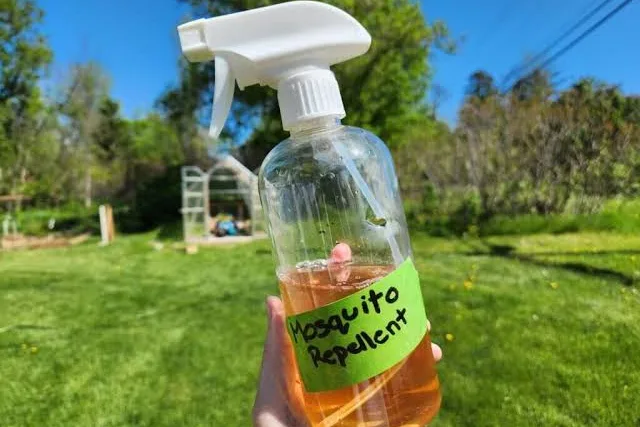
Many essential-oil sprays take a different route. They qualify as "minimum risk" pesticides, which are exempt from registration, and the EPA states that it has not evaluated products made from these ingredients for effectiveness. A review in the CDC's journal Emerging Infectious Diseases found that some minimum risk tick products worked about as well as conventional pesticides while others barely affected ticks. A natural label tells you little.
Texas A&M AgriLife gives the plainest advice. Texas A&M AgriLife's mosquito repellent flier says that if you want something natural that works, choose oil of lemon eucalyptus. It adds that other "natural" repellents with oils like lavender and citronella are not scientifically shown to work.
Home Remedies Rated by Evidence
The table below rates eight popular natural remedies by what EPA reviews, university tests and published studies actually show.
| Remedy | What the evidence shows | Verdict |
|---|---|---|
| Oil of lemon eucalyptus (OLE) or PMD | EPA-registered skin repellent and Texas A&M's natural pick | Works on skin, not for kids under 3 |
| Catnip oil | EPA-registered in four skin repellents | Works, few products |
| Citronella oil and candles | Registered in three products, but most plant-based repellents in one lab test lasted under 20 minutes | Short protection |
| Essential-oil sprays (peppermint, cedar, lavender) | Sold as minimum risk products the EPA has not evaluated for effectiveness | Unproven |
| Citrosa "mosquito plant" | Field test found no difference from people with no plant | Doesn't work |
| Repellent wristbands | Gave no protection in a lab test | Doesn't work |
| Grits, coffee grounds or cinnamon on fire ants | Texas A&M evaluations failed to show control | Doesn't work |
| Diatomaceous earth | Kills crawling insects by drying them out, only while dry | Kills, doesn't repel |
Fire Ant Home Remedies Tested in Texas
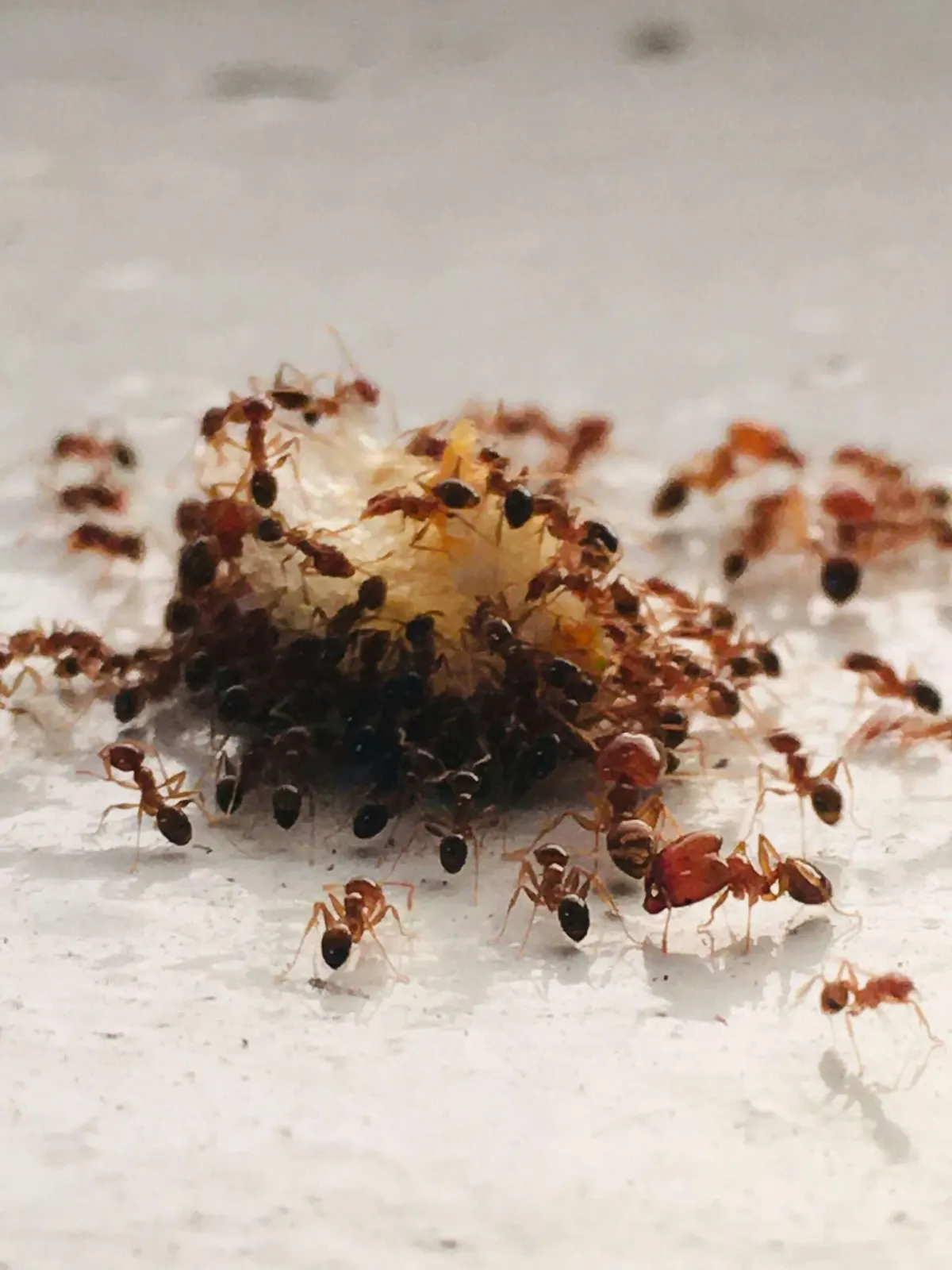
Fire ant mounds pop up in open lawns all over DFW, and home remedies for them spread fast. Texas A&M AgriLife's review of natural fire ant methods lists the ones that failed to control mounds in evaluations. Aspartame, baking soda, cinnamon, club soda, coffee grounds, grits and molasses all made the list. Grits are the most repeated of these myths, and they failed too.
Boiling water does better. About 3 gallons poured on a mound eliminates roughly 60% of the mounds treated. It also kills the grass around the mound and can cause serious burns. Talcum powder and other non-chemical barriers lose their effect in humid or wet weather, which describes plenty of DFW springs.
Some plant-based products do work. Commercial mound drenches made with d-limonene, the compound in citrus peel oil, kill treated colonies quickly. Texas A&M also recommends its Two-Step Method, which starts with a broadcast bait across the yard and then treats only the mounds that remain. We handle fire ants and other DFW ants the same way, treating single mounds one by one and baiting the whole lawn when mounds keep appearing.
Where Plant Oils and Gadgets Fall Short
A widely cited head-to-head test of repellents, published in the New England Journal of Medicine, compared seven botanical repellents with DEET products on volunteers. A 23.8% DEET product gave about five hours of complete protection. A soybean-oil product lasted about an hour and a half, and every other botanical repellent lasted under 20 minutes on average. Repellent wristbands gave no protection at all.
Plants do no better. A field test of the citrosa geranium, sold as the "mosquito plant", found no difference in bites between people near the plant and people without it. Chemical analysis also found no citronella oil in the plant.
Natural Mosquito Repellents for the Home
No natural product keeps mosquitoes out of a house or off a patio for long. Screens and closed doors at dusk do more indoors than any candle or diffuser. Outdoors, the most effective natural step isn't a repellent at all. Dump buckets, plant saucers and toys after every rain. For water you can't empty, such as a birdbath or a small pond, use larvicide dunks made with Bti, a naturally occurring soil bacterium that kills mosquito larvae. Then wear oil of lemon eucalyptus when you sit outside.
The Honest Limits of Natural Repellents
Natural ingredients still carry rules. Oil of lemon eucalyptus is not for children under 3. Diatomaceous earth can irritate the nose if you breathe in the dust, and it stops working once it gets wet. Any repellent you put on skin protects only the person wearing it, and only for a while. None of them keeps bugs out of a house.
That matters through DFW's mosquito season, which runs roughly April through October. For the yard, our mosquito treatment with MosquitoCon bait stations targets the shady spots where mosquitoes rest. For homes with pets, pet-friendly pest control works from the outside in. Treated areas usually dry within half an hour, a little longer on a humid day. When home remedies stop working, the price for regular service is online, and someone answers the phone around the clock.
Natural Repellent FAQ
How can I make homemade pest repellent?
You can mix one, but no one has tested your recipe. If you want a plant-based product, buy an EPA-registered repellent with oil of lemon eucalyptus or catnip oil. To keep insects out of the house, sealing gaps does more than any spray.
What is the most effective natural mosquito repellent?
Oil of lemon eucalyptus, or its active compound PMD. Texas A&M and the CDC list it alongside DEET, picaridin and IR3535 as a repellent that works. Follow the label, and don't use it on children under 3.
What is a natural pest repellent for plants?
No spray keeps every garden pest away. Insecticidal soap kills aphids, whiteflies and other soft-bodied pests it touches, so test it on a few leaves first. Parasitic wasps and other beneficial insects also keep many plant pests in check.