What Eats Mosquitoes?
The animals that eat the most mosquitoes hunt them in the water, where the larvae live. Mosquitofish, dragonfly nymphs and the tadpoles of a few frogs feed on larvae. Adult dragonflies, spiders and some birds catch flying mosquitoes too. Bats and purple martins, the two predators people name first, eat far fewer mosquitoes than their reputation suggests.
On this page
Predators That Eat Mosquito Larvae
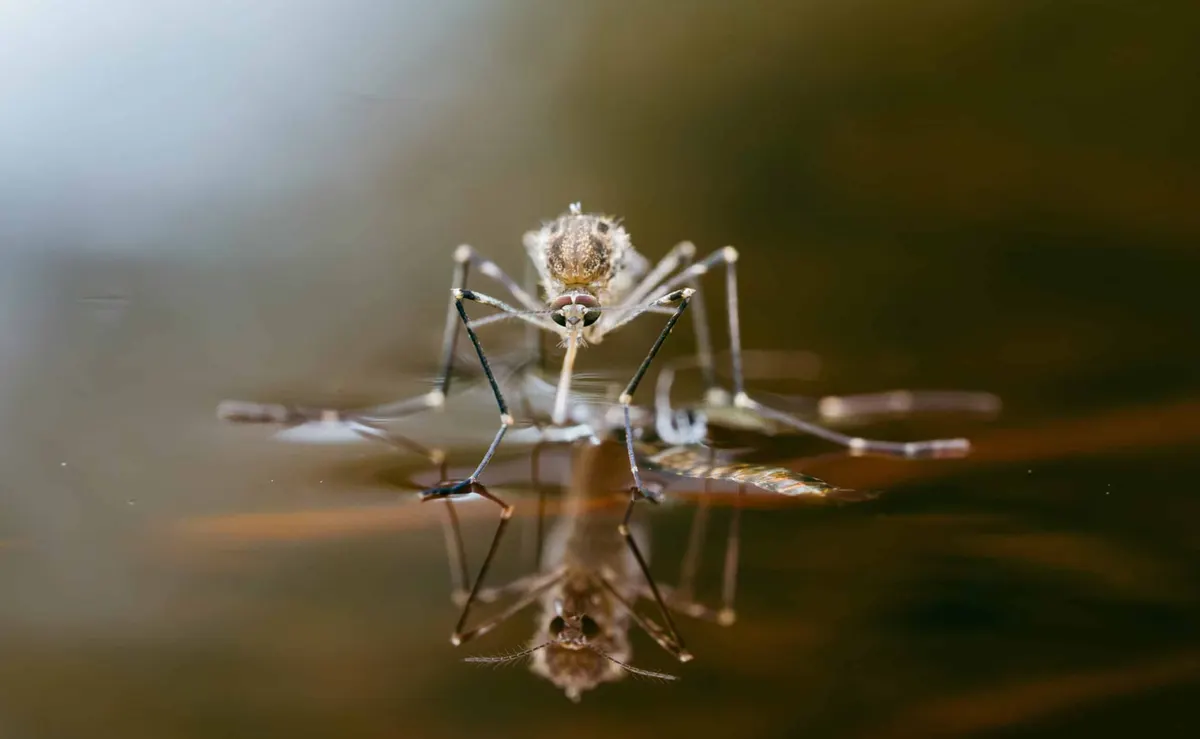
Mosquitoes spend their first week or so as larvae in still water, and that's where predators do the most damage. The western mosquitofish, a small gray fish native to Texas, feeds right at the surface, where the larvae hang to breathe. Many mosquito control programs stock it in ponds, troughs and decorative water features. Goldfish, guppies and small sunfish eat larvae too.
Insects do their share underwater as well. Dragonfly and damselfly nymphs, backswimmers and diving beetles all hunt mosquito larvae. One mosquito even turns on its own kind. Toxorhynchites larvae eat other mosquito larvae, and the adults feed on nectar instead of blood.
Most tadpoles don't help much. They graze on algae, though green treefrog tadpoles, a common Texas species, eat mosquito larvae.
Predators That Catch Adult Mosquitoes
Adult dragonflies are the best-known hunters of flying mosquitoes. They snatch insects out of the air with their legs, and mosquitoes are part of a much longer menu. Spiders catch mosquitoes in webs on porches and eaves, and jumping spiders grab them on walls and windows.
Swallows, chimney swifts and other birds that feed in flight eat some mosquitoes along with gnats, flies and beetles. Frogs and toads eat mosquitoes when they come across them, but no frog relies on them for food.
How Much Each Predator Helps
Some predators pull real weight against mosquitoes, while others mostly have good publicity. This table compares the ones people ask about most.
| Predator | What it eats | How much it helps |
|---|---|---|
| Mosquitofish | Larvae at the water surface | A lot, in ponds and water features it can reach |
| Dragonfly nymphs | Larvae and other small water insects | A fair amount, in ponds and slow creeks |
| Adult dragonflies | Mosquitoes, gnats, flies and other fliers | Some, though they can't keep up with a yard |
| Tadpoles | Mostly algae, with larvae for a few species | Little, apart from species like the green treefrog |
| Bats | Mostly moths, beetles and other night insects | Little, since mosquitoes form a small part of the diet |
| Purple martins | Dragonflies, beetles, flies and other daytime insects | Almost none, because martins feed high up in daylight |
| Crane flies | Little or nothing as adults | None, despite the "mosquito hawk" nickname |
The Bat and Purple Martin Myths
The claim that one bat eats hundreds or even 1,000 mosquitoes an hour traces back to a lab study. The University of Wisconsin's mosquito research site explains that bats in a room with nothing but mosquitoes caught up to about 10 a minute. People later stretched that number to wild bats. In the wild, bats eat whatever is most plentiful. One study of little brown bat droppings found mostly small moths, with mosquitoes under 2 percent.
Purple martins have a similar story. The popular figure of 2,000 mosquitoes a day came from estimating how many mosquitoes a martin would need to survive, not from studying what martins eat. Diet studies found mosquitoes make up an insignificant share. Martins hunt high in the air during the day, while most mosquitoes bite near the ground at dusk and after dark.
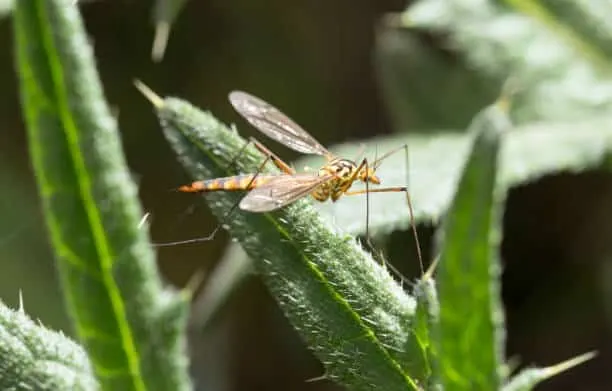
Crane flies get the reverse treatment. Many Texans call these leggy insects mosquito hawks or mosquito eaters. UC ANR's note on the "mosquito eater" myth explains that they don't eat mosquitoes, and many adults don't feed at all.
Why Predators Can't Clear a Yard
Most backyard mosquitoes in DFW hatch in small pockets of water that predators never reach. A clogged gutter, a plant saucer, a folded tarp or a toy left in the grass can each produce a batch of mosquitoes in about a week. No fish or dragonfly patrols those spots, so emptying standing water every week matters more than any predator.
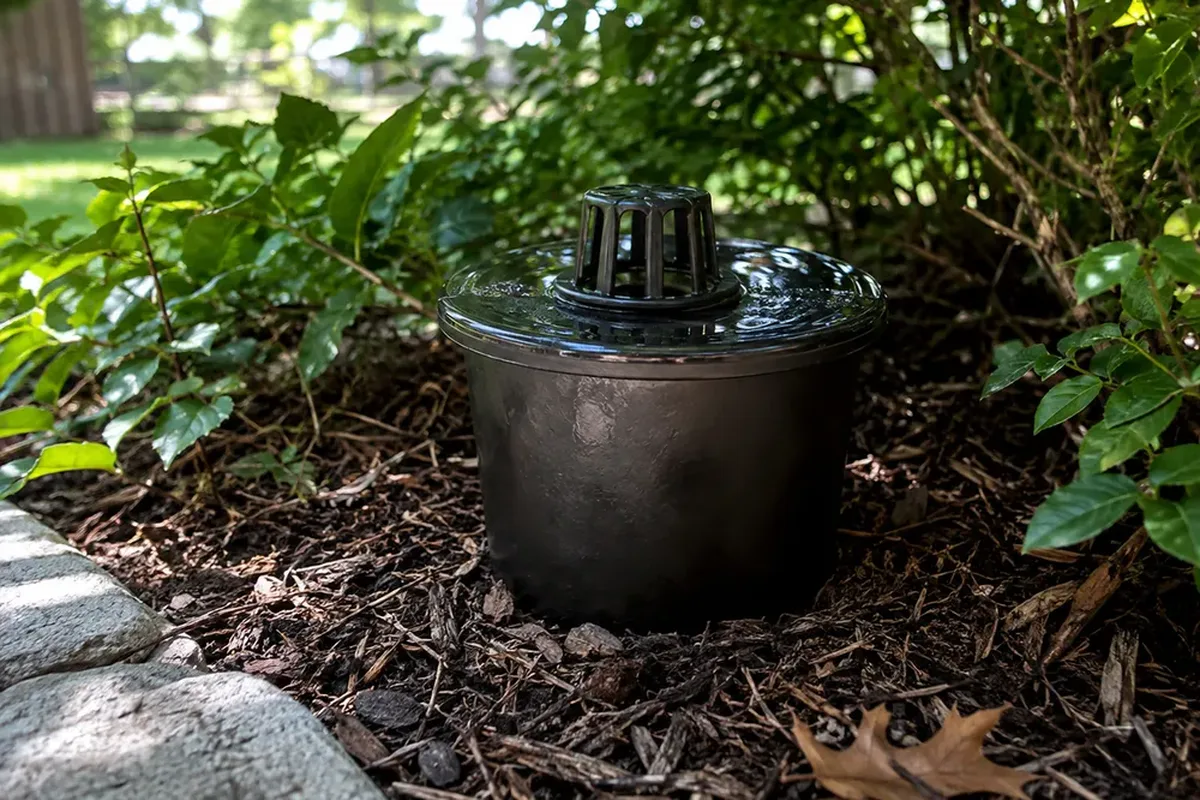
Our mild climate keeps that cycle going. Eggs can hatch in any month that brings rain and temperatures above about 60°F. Our yard mosquito treatment across DFW places MosquitoCon larvicide stations and refills them monthly, so fewer larvae make it to adulthood. No treatment wipes out every mosquito, because they fly in from untreated yards nearby, but the stations lower the numbers you live with. Families near our Aubrey office can set up the same plan through mosquito control in Aubrey.
Mosquito Predators FAQ
Do dragonflies eat mosquitoes?
Yes, at both stages. Dragonfly nymphs eat mosquito larvae in ponds, and adult dragonflies catch flying mosquitoes. They eat plenty of other insects too, so they help most around ponds and slow water.
Do bats eat mosquitoes?
Yes, but not many compared with their reputation. Diet studies show mosquitoes make up a small share of what most bats eat, well behind moths and beetles. A bat house won't noticeably cut the bites in a backyard.
What fish eat mosquito larvae?
Mosquitofish are the best known, and goldfish, guppies and small sunfish eat larvae too. They help in ponds and water features, but they can't reach gutters, plant saucers and the other small containers where most yard mosquitoes start.
Dragonflies can't keep pace with a yard full of mosquitoes. Ask about a monthly mosquito plan by phone or online, and we'll set up stations around your yard.