Giant Mosquitoes in Texas
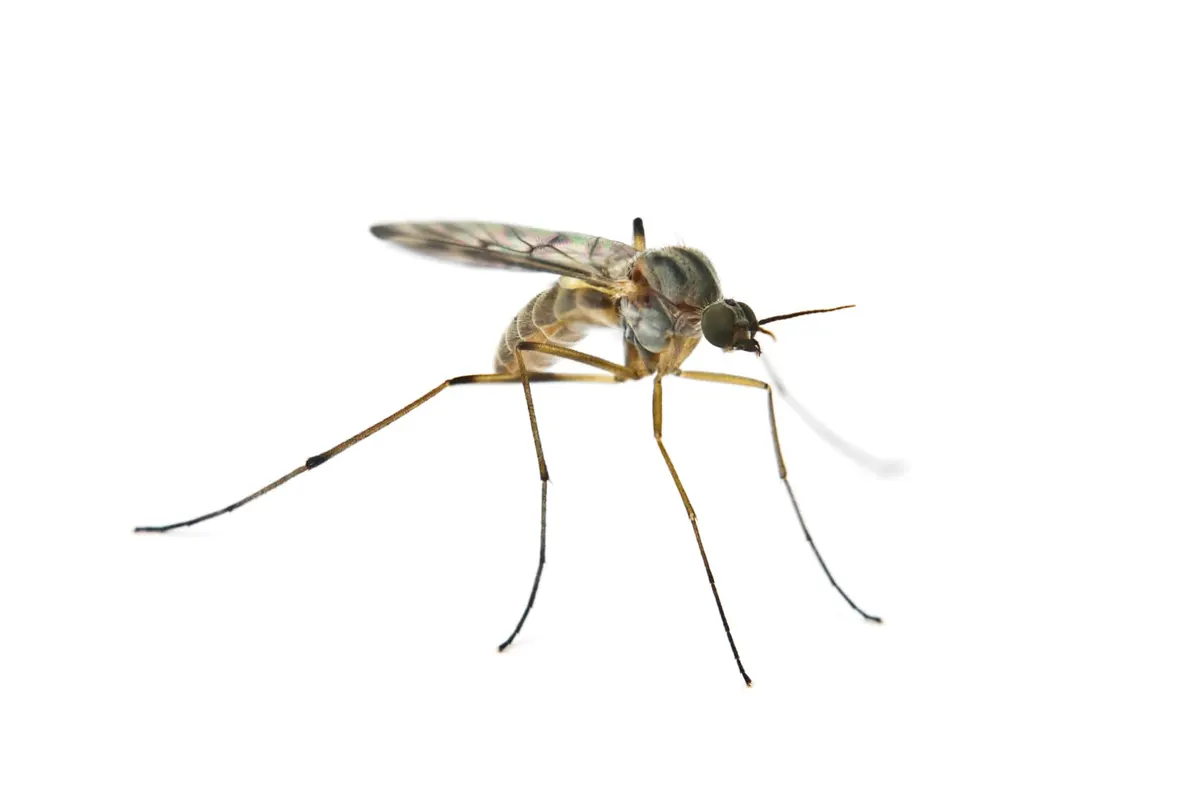
Giant mosquitoes are real in Texas. The gallinipper, Psorophora ciliata, is the largest biting mosquito in the U.S., with a body about half an inch long. It can show up in DFW yards after heavy rain. Most "giant mosquitoes" people spot are crane flies, though, which look the part but can't bite.
On this page
The Gallinipper Is a Real Giant Mosquito
The gallinipper is a true mosquito, just a big one. It has a dark body with pale bands, like a supersized tiger mosquito, and shaggy tufts of hair on its back legs, which earned it the nickname shaggy-legged gallinipper. The Galveston County mosquito control profile of Psorophora ciliata calls it the largest blood-sucking mosquito in the country. It notes a painful bite, biting at any time of day when disturbed and a flight range of 1 to 2 miles.
Only the female bites, and she needs blood to make eggs, like any mosquito. The bite hurts more than a normal mosquito bite because her mouthparts are so much larger. A University of Florida entomologist who studied the species put it plainly when he said the bite really hurts.
Why Gallinippers Appear After Floods
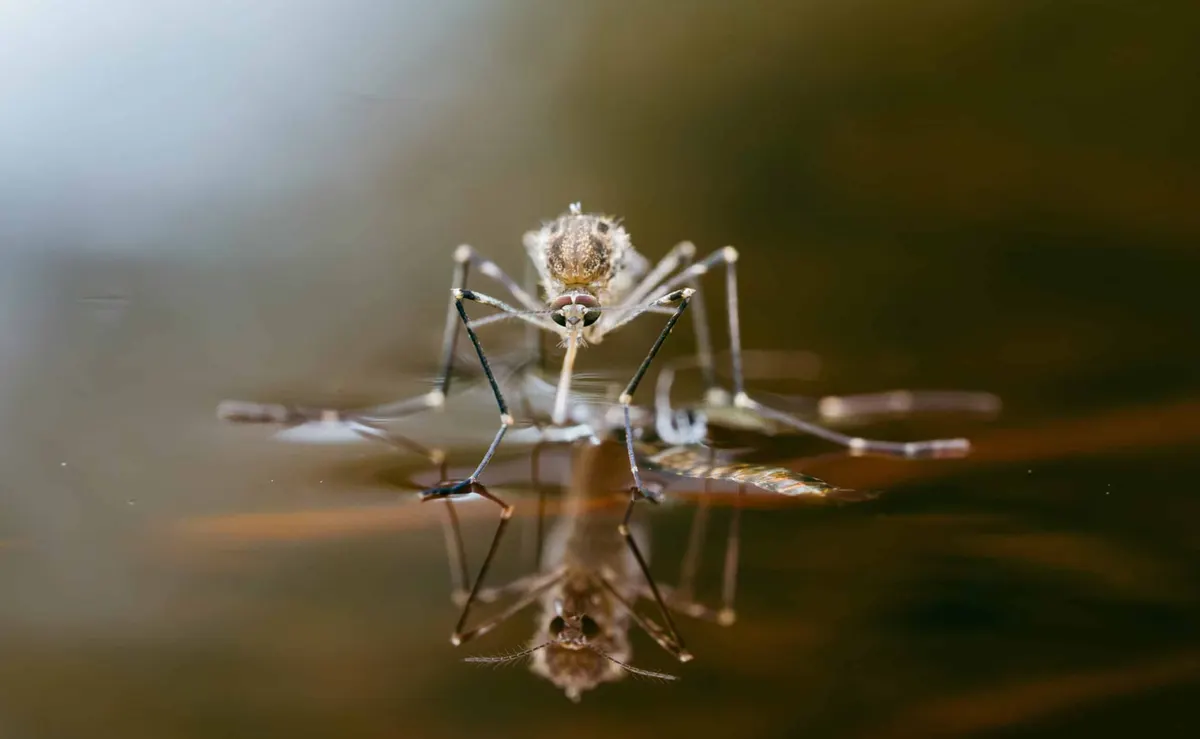
Gallinippers are floodwater mosquitoes. Females lay eggs in soil at the edges of ponds, ditches and low fields that flood in heavy rain. University of Florida researchers report that those eggs can wait in dry soil for years. When high water finally covers them, they hatch all at once.
The larvae grow fast and eat other mosquito larvae and even tadpoles. That gives the species a head start in a flooded field, and it's why gallinippers tend to appear in a burst about a week after a big storm, then fade. In DFW, the creek bottoms and low fields along the Trinity River and its forks give them the kind of flood-prone ground they need. Galveston County notes they're rarely found in large numbers, so most people meet only a few.
Crane Flies Are the Usual Giant Mosquito
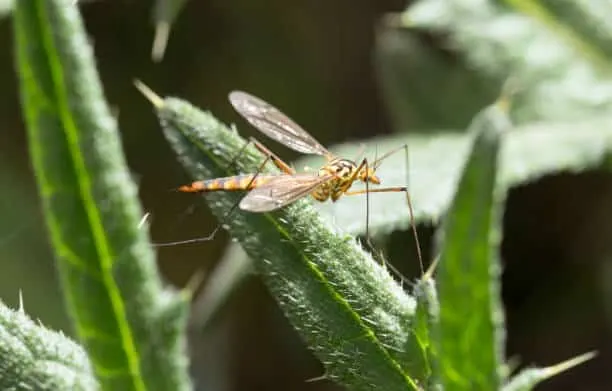
The long-legged insect bumping into your porch light is almost always a crane fly. People call them mosquito hawks or skeeter eaters, but crane flies aren't mosquitoes, and they don't eat them either. Most adults can't eat at all, because they lack the piercing mouthparts a mosquito uses to bite.
Texas A&M AgriLife's article on crane flies describes them as one of the first signs of spring in Texas, with swarms in early spring and again in fall. The adults live only a week or two. They spend most of their lives as larvae in moist soil, eating decaying plant matter, so a damp lawn can send up a lot of them at once.
Giant Mosquito or Crane Fly
Size alone won't tell you which one landed on your arm, but four traits will.
Choose the closer match in every row.
One more giant lives in DFW and never bites. The elephant mosquito, Toxorhynchites rutilus, is large and shiny blue with a beak that curves down like a trunk. Its adults drink nectar, and its larvae eat other mosquito larvae in tree holes and containers.
Big Mosquitoes Compared
This table sorts the large mosquito-like insects DFW homeowners notice, from the ones that bite to the ones that help.
| Insect | Bites people? | When you see it | What its larvae eat |
|---|---|---|---|
| Gallinipper | Yes a painful bite | After floods in warm months | Other mosquito larvae and tadpoles |
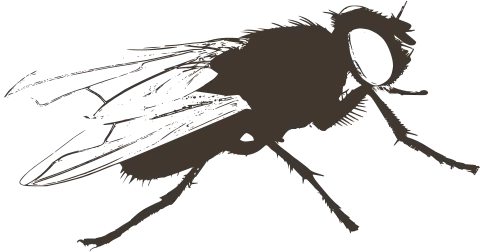 Crane fly |
No | Early spring and fall swarms | Decaying plant matter in moist soil |
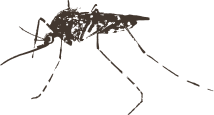 Elephant mosquito |
No | Warm months near trees and shade | Other mosquito larvae |
| Asian tiger mosquito |
Yes mostly by day | Spring through fall | Organic matter in containers of water |
Are Giant Mosquitoes Dangerous?
The gallinipper's bite is painful, but University of Florida researchers don't consider it a significant carrier of disease. In DFW, the mosquitoes that spread West Nile virus are small, plain brown Culex mosquitoes that bite from dusk into the night. The small ones deserve more of your attention than the giant.
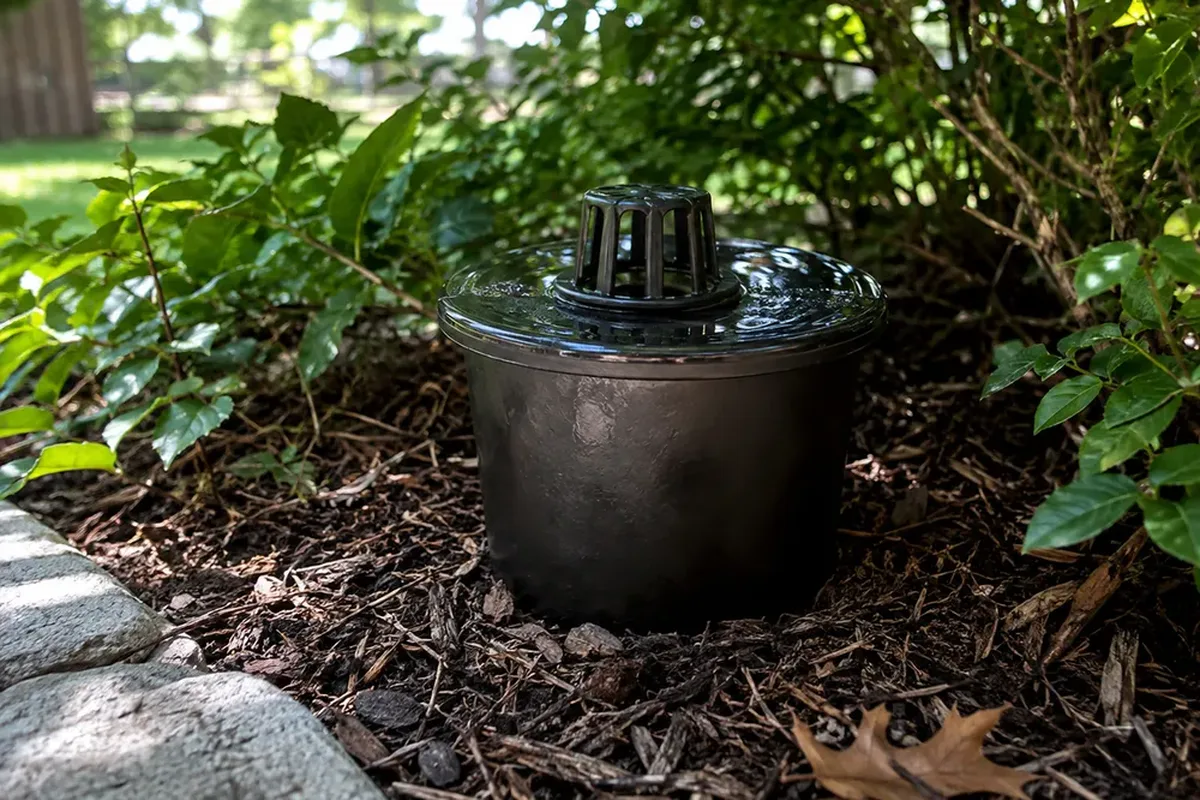
Floodwater mosquitoes and container mosquitoes need standing water, so the same habits work on both. Dump buckets, plant saucers and tarps after every storm, clear clogged gutters and wear a DEET repellent when you work near flooded ground. When storms keep refilling low spots, mosquito control for DFW yards adds bait stations and treatments that reduce how many mosquitoes reach your patio. In Dallas, our Dallas mosquito team runs those visits on a monthly schedule.
Giant Mosquito FAQ
Is a gallinipper a mosquito?
Yes. The gallinipper is a true mosquito in the genus Psorophora, and the female feeds on blood like other mosquitoes. "Gallinipper" is a folk name rather than an official common name.
Do crane flies eat mosquitoes?
No. Despite the mosquito hawk nickname, adult crane flies don't hunt mosquitoes, and most of them don't eat at all. Their larvae feed on decaying plant matter in damp soil.
What does a giant mosquito bite feel like?
A gallinipper bite feels like a sharp pinch rather than the faint prick of a small mosquito. Afterward it leaves a red, itchy bump much like any mosquito bite, and a cold pack and an anti-itch cream help.
After a summer flood, the big mosquitoes fade fast, but the small ones keep breeding in every container that holds water. See your price online or call our office to set up monthly visits before the next storm.