Venomous Spiders in Texas and Where They Hide
Texas has two venomous spiders that matter medically, the black widow and the brown recluse. Both live throughout the state, including Southlake and the rest of DFW, and both bite only when trapped, pressed against skin or disturbed. People often call them poisonous spiders, but venomous is the right word. Other Texas spiders rarely cause more than a minor bite.
On this page
Which Spiders in Texas Are Venomous?
Almost every spider has venom, which it uses to subdue insects. The difference is whether its bite can hurt a person. The Texas Department of State Health Services spider page names two venomous species that do, the black widow and the brown recluse. Both live indoors and outdoors across the state, and neither one is aggressive.
People mix up "venomous" and "poisonous" all the time. A venomous animal injects its toxin with a bite or sting, while a poisonous one harms you when you eat or touch it. So the search for poisonous spiders in Texas leads to the same two names.
The black widow has a few close relatives. Texas A&M AgriLife lists the western black widow, the northern black widow and the brown widow in Texas, so treat any widow-shaped spider with the same care. Only a few other spiders, such as house spiders and sac spiders, can give a noticeable bite, but Texas A&M does not count them as medically significant.
How to Spot a Black Widow or Recluse
The two spiders look nothing alike, and they live very different lives. The table below compares the features that tell them apart.
| Feature | Black widow | Brown recluse |
|---|---|---|
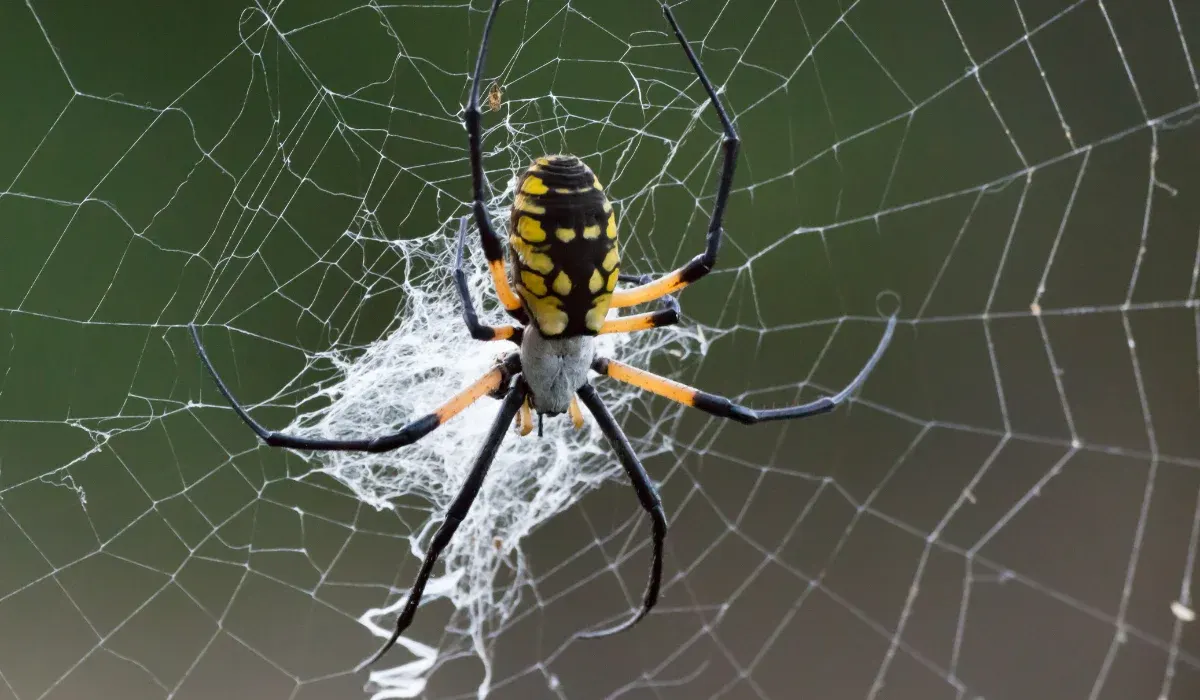
| Color | Glossy black female, smaller brown male | Even tan to golden brown, with no stripes or bands |
| Key mark | Red or yellowish hourglass under the round abdomen | Dark violin on the back, with the neck pointing toward the abdomen |
| Eyes | Eight, in two rows | Six, in three pairs |
| Size | Female body about 1/2 inch, about 1 1/2 inches with legs | About 1/4 to 3/4 inch |
| Web | Tough, messy tangle, often low to the ground | No catching web, just silk lining a crack |
| Bite | Pinprick, then muscle pain that spreads | Often painless at first, painful hours later |
Female black widows hang upside down in their webs, which shows off the hourglass. Males and young widows can carry orange, red or white marks on the back and sides instead. Widow egg sacs are round, about 1/2 inch long, and hang in the web.
The violin mark is the famous brown recluse clue, but it misleads people. Many harmless brown spiders have dark marks behind the head. The eyes are the better test, since few spiders have six eyes in three pairs. People often mistake wolf spiders for recluses, but wolf spiders have dark stripes on the front of the body and one large pair of eyes. Male southern house spiders, which wander indoors, also look similar but have eight eyes clustered together.
What to Do After a Spider Bite
Most spider bites are minor, but a suspected widow or recluse bite needs a call right away. Texas DSHS and MedlinePlus recommend these first steps.
- Wash the bite with soap and water.
- Hold ice wrapped in a cloth on the bite for 10 minutes, then off for 10 minutes, and repeat.
- Keep the bitten arm or leg still, and take off rings or tight clothing near the bite.
- Catch the spider in a jar or take a clear photo, so a doctor can identify it.
- Call the Texas Poison Center Network at 1-800-222-1222, or 911 if the person has trouble breathing.
A black widow bite often starts as a pinprick. Over the next few hours, muscle pain and cramps can spread to the belly, back or chest, along with sweating and nausea. Children and older adults face the most risk. Doctors rarely use the black widow antivenom, and no effective antivenom exists for brown recluse bites.
A brown recluse bite may go unnoticed until it turns painful 2 to 8 hours later. A blister can form, and the skin around it can die and leave a sore that heals slowly. MedlinePlus's guide to brown recluse bites notes that the ulcer can take months to heal. Bacterial skin infections look much the same, which is why a doctor wants to see the spider before calling it a recluse bite.
Where They Hide in Southlake Homes
Black widows live outside or in spaces open to the outdoors. They build webs around Southlake and other DFW homes in garages, woodpiles, water and gas meter boxes, termite bait stations, crawl spaces and downspouts. They also like the weep holes and the bottom row of brick on a brick home, the frame of a grill and the underside of patio furniture.
Brown recluses come inside. They hide in closets, attics, wall voids and stored cardboard boxes, and in towels and clothes left on the floor. They hunt at night and hide by day. Most bites happen when someone puts on a shirt with a spider inside, rolls onto one in bed or reaches into a box in the garage.
A few habits cut the risk. Wear gloves to move firewood and stored items, and shake out shoes and clothes that sat unused for weeks. Tape cardboard boxes shut or switch to lidded plastic bins. Vacuum webs and egg sacs, and keep bright lights away from doors so fewer insects gather for spiders to eat.
Spiders keep returning as long as their food supply does, so spider work runs on a schedule rather than one visit. We focus on treating the insects spiders feed on and clearing webs on every visit. Southlake homeowners can see how the local office handles widows and recluses on our spider control in Southlake page, and the online quote shows what regular spider service costs for your home.
Texas Spider Bite FAQ
How can I tell if a spider is poisonous?
You can't tell by size, hair or speed. Big, fast, hairy spiders like wolf spiders and tarantulas pose little risk to people. In Texas, look for the two patterns that matter, a glossy black spider with an hourglass or a plain brown one with six eyes. Photograph anything you are unsure about.
Are wolf spiders poisonous?
No. Wolf spiders can bite if you handle them, but their bite is not medically significant. They hunt insects at night and often wander indoors under door gaps.
Should I go to the ER for a black widow bite?
Yes. Get medical care right away for any suspected black widow bite, and Texas A&M AgriLife advises a trip to the emergency room. Call 911 if the person has trouble breathing, and call the Texas Poison Center Network on the way for advice.