Do Spiders Hibernate?
Spiders don't hibernate the way bears and bats do. As the weather cools, outdoor spiders slow down and wait out the cold in leaf litter, under bark or as eggs inside silk sacs. Many wake up on warm days. Spiders that live inside your house never stop at all, because a heated home stays warm enough for them all year.
On this page
What Spiders Do Instead of Hibernating
Hibernation is a deep shutdown that mammals like bats go through. Spiders do something looser. Their bodies run at the temperature around them, so cold weather slows their movement, hunting and growth until they barely move. When the air warms, they pick up where they left off.
Many spiders also prepare chemically. They clear their bodies of things ice could form around and build up compounds that keep their fluids from freezing well below 32°F. A few species skip the slowdown entirely. University of Kentucky researchers studied two common wolf spiders that stay active in forest leaf litter all winter, hunting through cold nights even though a deep freeze can kill them.
How Common Spiders Get Through Winter
Each spider has its own winter plan, and the one you see in your yard or garage tells you which. This table shows how the spiders DFW homeowners notice most handle the cold months.
| Spider | Winter strategy | Where it spends winter |
|---|---|---|
 Yellow garden spider |
Adults die off, and young wait inside the egg sac | Brown egg sacs hung on plants, fences and eaves |
| Wolf spider |
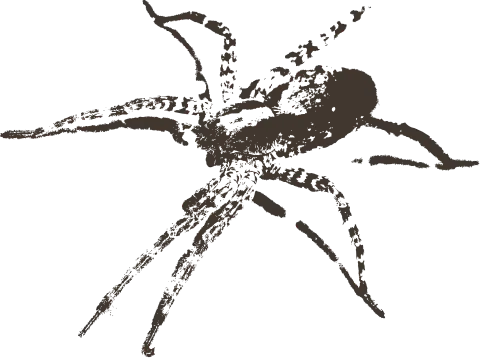
Juveniles and adults rest or keep hunting slowly | Leaf litter, mulch, under rocks and boards |
| Brown recluse |
Stays active indoors and can go months without eating | Garages, attics, closets and stored boxes |
| House spiders |
No winter break at all | Corners, closets and behind furniture indoors |
Spider Egg Sacs Carry the Next Generation
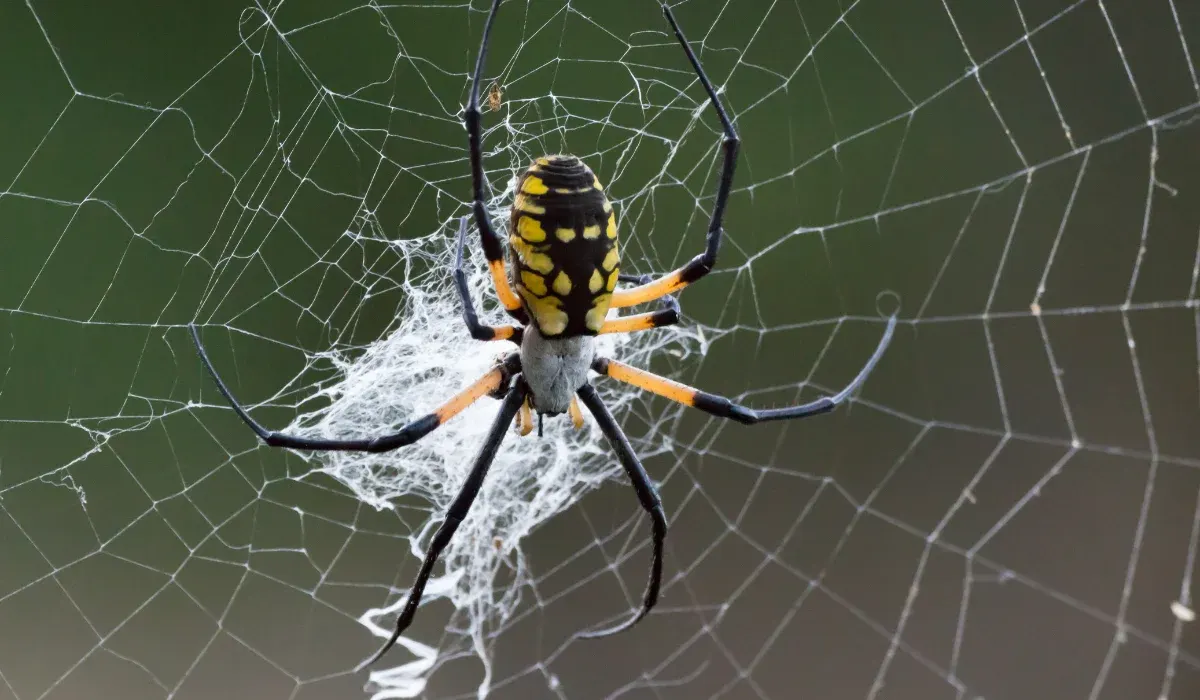
For many outdoor spiders, the egg sac is the winter shelter. The yellow garden spider, the big black and yellow orb weaver common in DFW flower beds, lays her eggs in a tan, papery sac in fall. The Mississippi State Extension profile of the garden spider explains that a sac can measure up to an inch across and hold more than a thousand eggs. The eggs often hatch before winter, but the spiderlings stay sealed inside until spring.
Most of those young never make it. Birds pick apart the sacs, and tiny parasitic wasps and flies lay their own eggs inside. One study found parasites in more than half of the garden spider egg sacs it examined. The survivors pour out on a warm spring day and float off on strands of silk.
Do Spiders Come Inside for Winter?
Mostly no, and that surprises people. The spiders you see indoors in winter almost always lived there already. Arachnologists at the Burke Museum estimate that fewer than 5% of spiders found indoors have ever been outside.
Outdoor spiders that do wander in rarely last. Wolf spiders and other hunters slip under doors while hunting. Iowa State Extension's article on fall spiders notes that these outdoor invaders usually live only a day or two indoors and can't breed there. The burst of spiders many people notice in late summer and fall comes mostly from males wandering in search of mates, not from spiders escaping the cold.
Spiders in a DFW Winter
DFW winters are short and mild compared with most of the country. National Weather Service normals put the average January low at DFW Airport around 36 to 37°F, and many afternoons climb well above that. Outdoor spiders here spend much of the season half awake, and wolf spiders and jumping spiders can turn up on sunny walls and patios between cold fronts.
Brown recluses don't slow down much at all in a heated house. They hide in garages, attics and boxes of stored decorations, and UC IPM notes that a recluse can survive six to twelve months without food. Pulling holiday boxes out of the attic or garage is a common way to surprise a recluse in December. Shake out stored items, wear gloves and look before you reach.
Winter is a good time to clear webs and egg sacs from the garage, eaves and porch light fixtures while spiders are slow. If you keep finding spiders in stored boxes or closets, our year-round spider control goes after the places they shelter. In Dallas, our office covers the same work on the spider control in Dallas page.
Spiders in Winter FAQ
Are brown recluses active in winter?
Indoors, yes. A heated home, garage or attic keeps recluses hunting through the winter, and they can survive for months between meals. Outdoors, they slow down and hide under bark, rocks and debris until it warms up.
Should I leave spider egg sacs outside over winter?
Outdoors, a garden spider's egg sac is harmless and produces spiders that eat garden pests, so many gardeners leave it. Egg sacs on the house, in the garage or indoors are worth removing, since they can hold hundreds of young.
Why do I still see spiders in winter?
Because house spiders live indoors year-round and never stop hunting. Outdoors in DFW, mild afternoons between cold snaps wake up wolf spiders, jumping spiders and others that were resting in leaf litter.
Webs inside stored boxes mean spiders have moved into the garage or attic. Get a quote from our website or with a quick call, and we'll treat the spots where they shelter.