How to Prevent Chigger Bites
To prevent chigger bites, tuck long pants into socks or boots, put a DEET repellent on exposed skin and around cuffs, and wear clothes treated with permethrin. Stay on mowed trails, don't sit on the ground, and take a warm, soapy shower within a few hours of coming home. That shower knocks off chiggers that haven't started feeding yet.
On this page

Why Chiggers Bite Where Clothes Fit Tight
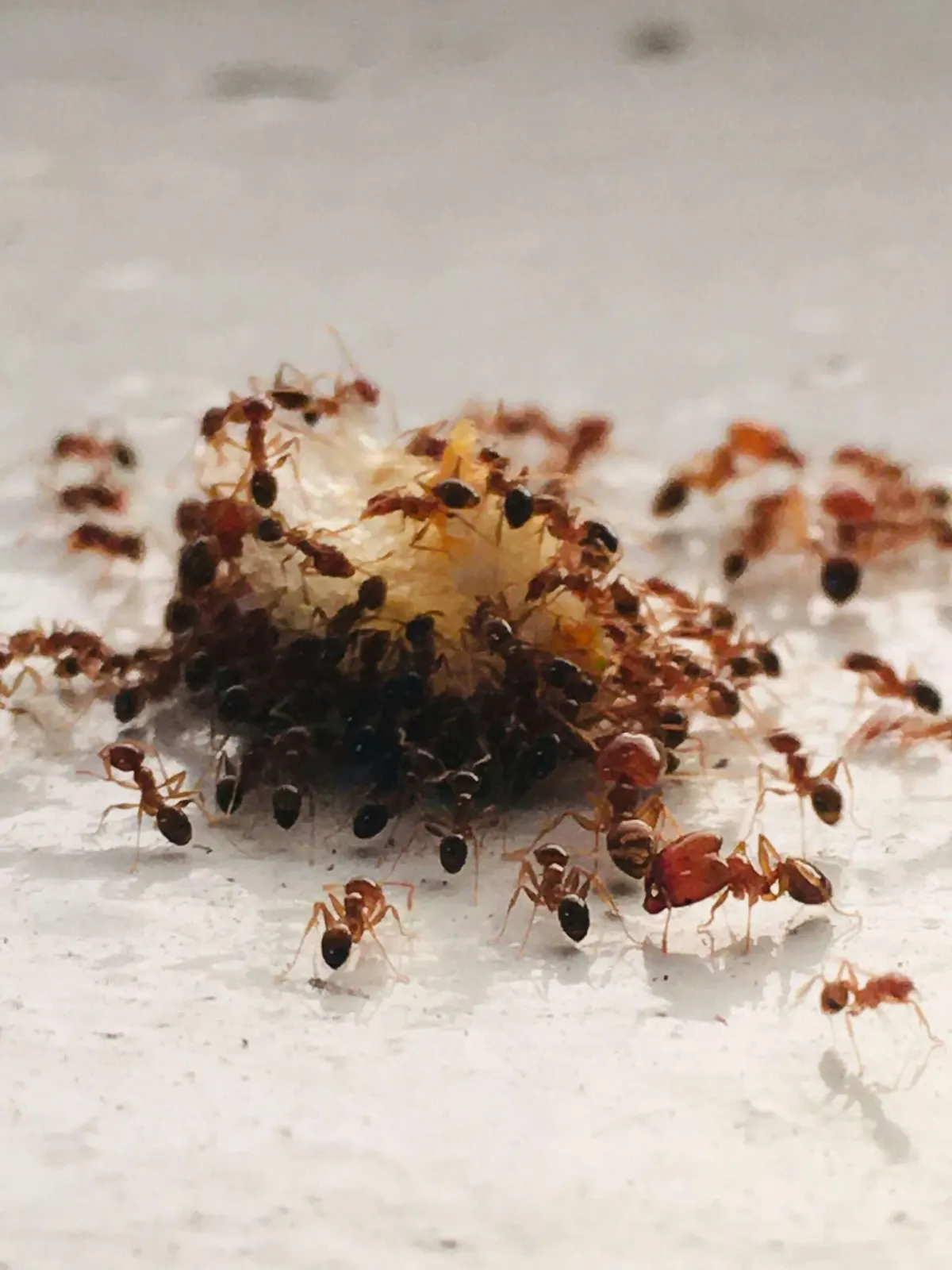
Chiggers are the larvae of tiny mites, about 1/100 of an inch across and yellowish to light red. Only the larvae bite. They wait on grass and low brush, grab a shoe or pant leg as you pass, and then crawl for several hours before they settle on a spot to feed. They stop where clothing presses against skin or where skin is thin. That's why bites line up along sock tops, waistbands, the groin, behind the knees and under the arms.
They don't burrow or drink blood. Texas A&M AgriLife's chigger guide explains that a chigger injects an enzyme that breaks down skin cells, then feeds on them. The itch usually starts 3 to 6 hours later and peaks after a day or two. That delay is the reason prevention has to happen before and right after time outdoors, not once the welts appear.
Ways to Prevent Chigger Bites
Each habit below blocks chiggers at a different point, from the trail to the laundry room. Most people get the best results by combining clothing, a repellent and a quick shower.
| Prevention step | How to do it | Why it helps |
|---|---|---|
| Tuck pants into socks or boots | Button cuffs and collars too | Keeps crawling chiggers on the outside of your clothes |
| Wear loose, tightly woven fabric | Choose long sleeves and long pants over shorts | Chiggers have a harder time working through a dense weave |
| Put DEET on skin and openings | Apply to exposed skin, cuffs, waistbands and boot tops | Repels chiggers, and works on ticks and mosquitoes too |
| Treat clothes with permethrin | Spray pants, socks and shoes, then let them dry | Kills chiggers that climb on, and lasts through several washes |
| Stay off the ground | Use a chair or blanket instead of sitting in grass | Leaf litter and shaded soil hold the most chiggers |
| Shower soon after | Scrub with soap and a washcloth within a few hours | Removes chiggers before many of them settle in to feed |
| Wash your clothes | Launder everything you wore before wearing it again | Gets rid of chiggers still clinging to the fabric |
Choosing a Chigger Repellent
DEET is the skin repellent with the longest track record against chiggers. It wears off after several hours, so reapply it on long hikes and keep it away from your eyes. Picaridin, IR3535 and oil of lemon eucalyptus also repel chiggers, ticks and mosquitoes. Plant-oil sprays often haven't faced testing against chiggers, so pick one only if the label names chiggers.
Permethrin goes on clothing, never on skin. Spray it on the outside of pants, socks and shoes, and let it dry fully before you dress. For brushy trails or a long day of yard work, AgriLife suggests pairing permethrin-treated clothing with DEET on your skin.
Chigger Spots on Southlake Trails
Southlake's best-known trails run through chigger habitat. The trails at Bob Jones Nature Center and Preserve cross prairie, woodland and the shore of Grapevine Lake. The Walnut Grove National Recreation Trail follows the same lake through woods and along the water. Chiggers favor the grassy, weedy edges of woods, overgrown briar patches and damp spots around rotting logs, all of which line those routes.
Chiggers also gather in patches. One stretch of trail edge can hold many while the grass a few steps away holds almost none. Walk in the middle of the path, step around tall grass at the edges and choose a picnic spot on open, mowed ground. Texas chiggers bite from late spring until fall cools off, so keep those habits up all summer.
What to Do After a Hike
Head for the shower when you get home, and scrub your ankles, legs and waist with soap and a washcloth. Put the clothes you wore straight into the wash. If bites still show up, don't scratch them open. A cold compress, an anti-itch cream such as calamine or hydrocortisone, or an oral antihistamine can ease the itch while the bites fade.
Cleveland Clinic's chigger bite page notes that the itch is worst in the first 24 to 48 hours and fades over about two weeks. It advises seeing a doctor if a bite swells, leaks pus or still itches after two weeks.
Keeping Chiggers Out of Your Yard
Bites from your own backyard call for a different fix. Chiggers rarely hold on in short, sunny, dry grass, so mowing low, trimming brush along fences and thinning shady, damp beds removes much of their habitat. Nobody can spot a chigger in the grass. That's why our chigger control for DFW yards treats every part of the yard that suits them, then points out the trimming that keeps them from coming back. Families near our Southlake office can book the same visits through chigger control in Southlake.
Chigger Bites FAQ
Do chiggers burrow into your skin?
No. Chiggers feed from the surface and usually drop off within a few days, often sooner once you scratch. The swollen skin around a bite can surround the chigger, which makes it look like it burrowed in.
Does nail polish stop chigger bites?
No. The myth says polish smothers a chigger under the skin, but nothing is under there. Anti-itch cream and an antihistamine do far more for the itch.
Can chiggers live in your house?
No. Chiggers need shaded, damp soil and outdoor hosts such as birds, lizards and rodents. A few can ride inside on clothing, which is why washing what you wore outdoors helps.
Bites after every session of weeding the back beds mean chiggers have settled in the yard. Request a chigger quote online or by phone, and we'll treat the whole yard area they live in.