How Often Do DFW Homes Need Pest Treatment?
Most DFW homes need pest treatment every three months, which keeps a fresh barrier in place as each season brings new pests. How often you need pest control goes up if your home backs onto a creek, lake or greenbelt, or if an infestation is already active. Those homes often need a visit every month or two at first.
On this page
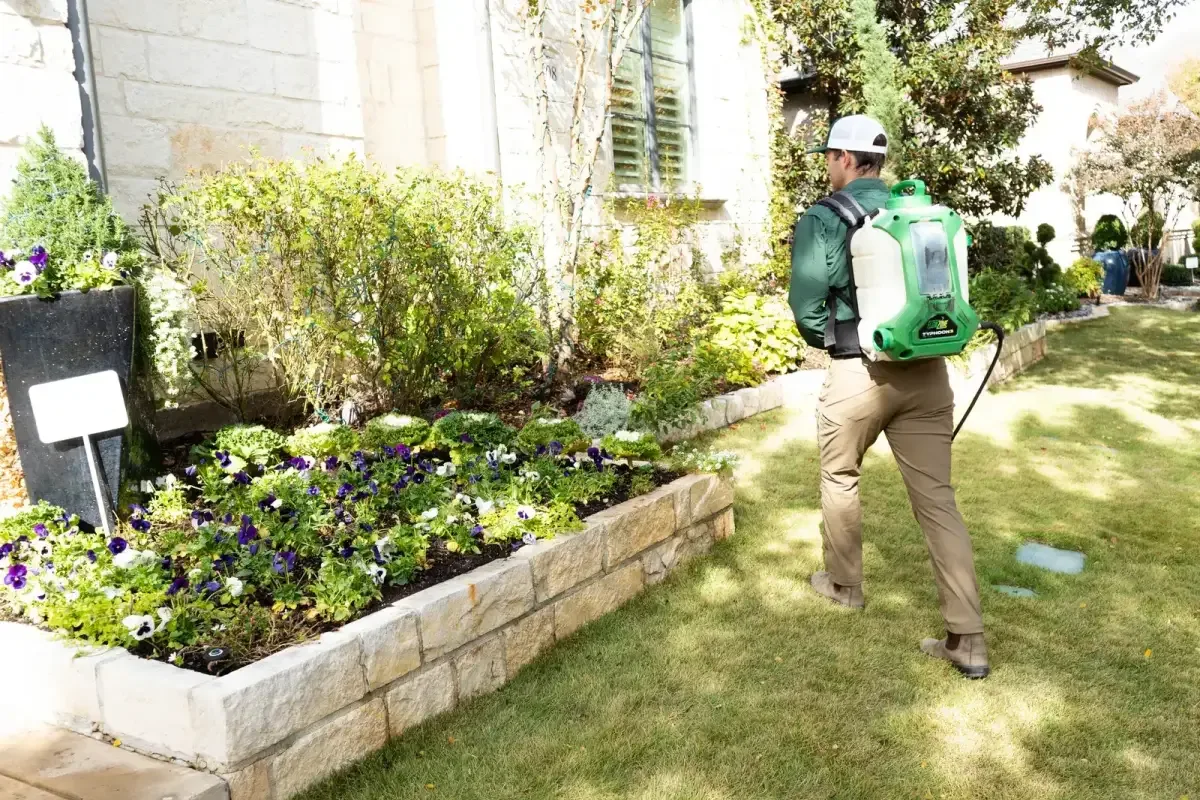
Why Every Three Months Is the Standard
The products used around a house don't last forever. Sun, rain and sprinklers wear an exterior treatment down over weeks to a few months, especially on brick and in direct summer sun. A visit every three months renews that barrier before it fades.
The seasons matter just as much. Each DFW quarter brings a different set of pests, so each visit has its own focus. Spring visits target ants and the start of termite swarm season, and summer turns to wasps and other stingers. Fall builds the barrier against rodents and overwintering insects, and winter works on interior pressure points and sealing gaps.
That rhythm also means products can change with the weather. Different products suit different seasons, so a quarterly plan rotates them through the year instead of using one product for every pest.
How Often Your Home Needs Treatment
The right schedule depends on where you live and what you're dealing with. This table shows the usual starting point for common situations around DFW.
| Your situation | Typical schedule | Why |
|---|---|---|
| A typical DFW home with no active problem | Every three months | Keeps a barrier up through each season's pests |
| A home that backs onto a creek, lake or greenbelt | Monthly or every other month | More insects and rodents move in from the wild edge |
| A household with very low tolerance for bugs | Monthly or every other month | More frequent visits catch problems sooner |
| An active German cockroach problem | An initial service with extra follow-up visits | German roaches breed indoors and take more trips to clear |
| A yard with heavy mosquito pressure | Monthly through the season | Larvicide stations need refilling every month |
| Termite protection with bait stations | A station check once a year | Bait goes in only when termites are feeding |
| Rodents in the attic or walls | Sealing and trapping until activity stops | Rodents need the gaps closed, not a spray |
Businesses work differently. Restaurants, warehouses and offices usually need monthly service, which is why commercial pest control in DFW runs on its own schedule.
Is Quarterly Pest Treatment Worth It?
For most homes, yes, because it's cheaper to keep pests out than to clear an infestation. The EPA's introduction to integrated pest management lays out an approach that puts prevention ahead of control, and a regular schedule is how that works on a house. A quarterly visit treats the entry points before ants, roaches and spiders settle in.
The gaps between visits matter too. Our quarterly home pest treatment includes a return visit at no charge if pests show up between scheduled services, so you don't wait three months for help. Plans come with a flexible contract, so the schedule can change as your needs do.
Signs Your Schedule Should Change
A schedule that worked last year may not fit this year. Watch for these changes, and call to adjust if you notice them.
- You keep seeing pests between visits, even after a return treatment.
- Cockroaches show up in daylight, which usually means there are many of them nearby.
- Construction starts on the lot next door, pushing rodents and insects out of the ground.
- A long drought ends with heavy rain, which sends ants, roaches and crickets toward the house.
- You add a new pet or a baby and want fewer bugs indoors.
For homes near our Dallas office, the same flexible schedules are part of home pest service in Dallas.
Pest Treatment Schedule FAQ
Do I need to be home for pest treatment?
Only when the visit includes interior work. Most regular visits focus on the outside of the house, the eaves, the entry points and the yard line, so they can happen while you're at work.
What should I do after a pest treatment?
Keep kids and pets away from treated areas until the product dries, which usually takes about 15 to 30 minutes. Leave the treated band along the foundation alone, and avoid hosing it down right away.
How do I check a pest company's license in Texas?
Ask for the license number. The Texas Department of Agriculture requires a license for anyone in the business of pest control and posts its lists of current structural pest control licenses online. Forterra's business license is TPCL #850046.
The yard and the pests you see decide how often your house needs a visit. Tell us about both on a quick call or online quote, and we'll suggest a starting cadence.