How to Kill Mosquito Larvae
The surest way to kill mosquito larvae is to dump or drain the water they live in, because larvae die once it's gone. For water you can't empty, like a rain barrel or a pond, a Bti dunk or a methoprene product kills larvae for about a month. Check again every week, since females keep laying new eggs.
On this page
Where Mosquito Larvae Live Around a Home
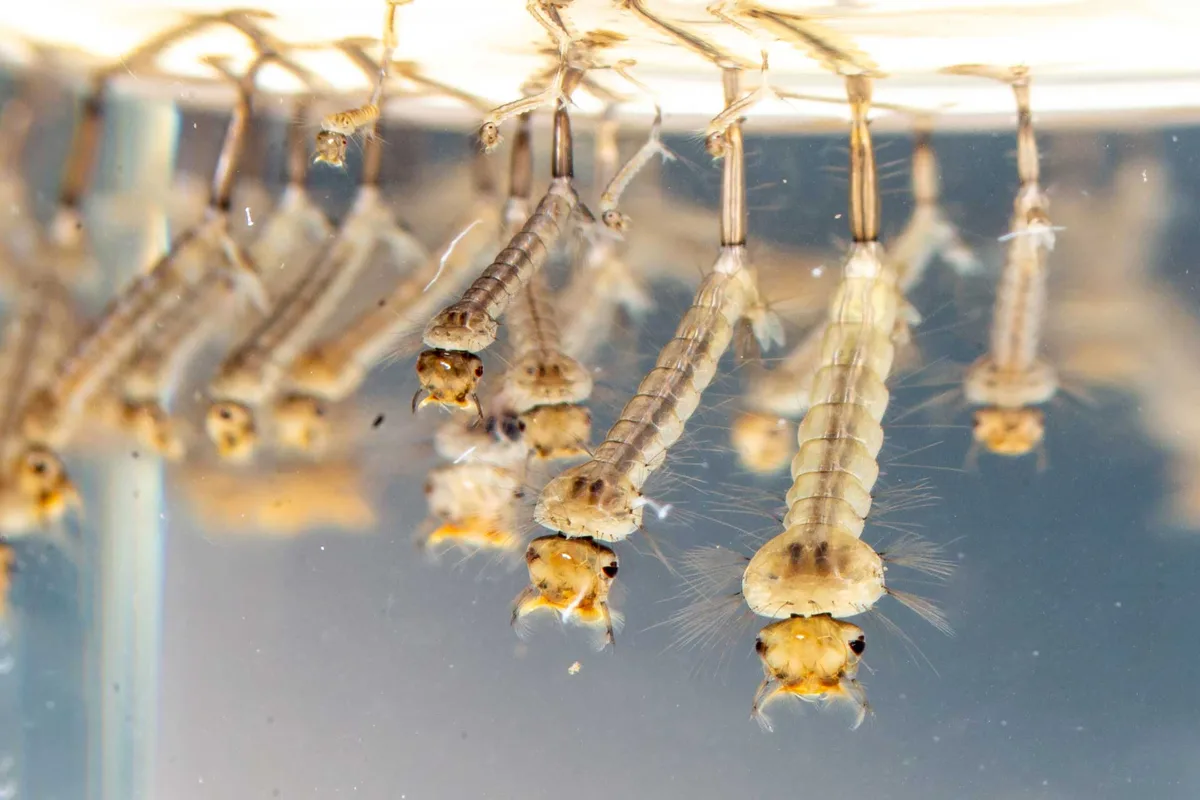
Mosquito larvae need still water that sits for about a week and holds some leaves, soil or grass clippings, because they feed on the bacteria that grow there. They show up as tiny wrigglers hanging just under the surface, and they dive when a shadow passes over. Running water and a pool with a working pump rarely hold them.
The best breeding spots are small and easy to miss. Bird baths, old tires and clogged gutters top the list in Texas A&M AgriLife's backyard mosquito guide, along with buckets, wheelbarrows, tarps and the saucers under potted plants. Other easy spots to miss are French drains, yard drain boxes and the folds of pool covers, where rainwater pools for days.
Those larvae end up biting the people who live nearby. The same guide notes that yellow fever mosquitoes and Asian tiger mosquitoes live and bite within 200 to 300 yards of where they bred. Clearing your own yard cuts your bites, even if the neighbors do nothing.
How to Kill Mosquito Larvae by Water Source
Each kind of standing water needs its own fix. This table matches the common sources around a house with the quickest way to kill the larvae and how often to repeat it.
| Water source | Best way to kill the larvae | How often |
|---|---|---|
| Bird bath | Dump it, scrub the bowl and refill | Every week |
| Plant saucers, buckets and toys | Dump them and store them upside down or dry | After every rain |
| Clogged gutters and yard drains | Clear the leaves so water runs off | Every season, plus after storms |
| Rain barrel | Screen the inlet and add a Bti dunk | Replace the dunk about monthly |
| Pond or fountain | Keep a pump running or add a Bti dunk | Replace the dunk about monthly |
| Unused pool or hot tub | Run the pump and chlorine, or use a labeled larvicide | Weekly while it sits |
| Tree holes and low spots | Fill with sand or gravel so water can't collect | Once |
Dumping water works only if the larvae land on dry ground. Pour it onto soil or pavement in the sun, never into a storm drain or a French drain, where the larvae can keep growing.
Mosquito Dunks and Other Larvicides
Water you can't dump needs a larvicide, a product that kills mosquitoes before they can fly. The most common is Bti, a bacterium found naturally in soil. Larvae eat it and die, and according to the EPA's Bti fact page, its toxins affect only the larvae of mosquitoes, blackflies and fungus gnats. It has no toxicity to people, and studies show it doesn't affect other insects, honey bees included.
Bti comes as floating dunks, small briquettes and granules. Texas A&M AgriLife says a small amount works for up to 30 days, and that the products don't hurt fish or birds. Break a dunk into pieces for small containers, and use granules for spots like plant saucers.
Methoprene works differently. It's an insect growth regulator that keeps larvae from turning into adults, and some versions last longer than 30 days. Both products wear off, so plan to replace them through the whole season. Read the label before treating any water that people or animals drink from, because only some products allow it.
Does Bleach Kill Mosquito Larvae?
Bleach does kill mosquito larvae, but it's the wrong tool for a yard. It poisons the water for the birds, pets and plants that use it, and once it breaks down, new eggs hatch in the same spot. A few drops of dish soap or a film of cooking oil can smother larvae too, with the same problem in bird baths and ponds.
A Bti dunk does the job those shortcuts are meant to do. It targets only the larvae, keeps working for weeks and leaves the water usable. For a bird bath or a bucket, dumping the water is faster and costs nothing.
Why Larvae Keep Coming Back in DFW
Mosquito season in DFW doesn't end on a fixed date. Eggs can hatch in any month when rain meets temperatures of 60°F or warmer, even in January, so a warm, wet week in winter can restart the cycle. A yard that stayed clean in October can breed mosquitoes again by Thanksgiving.
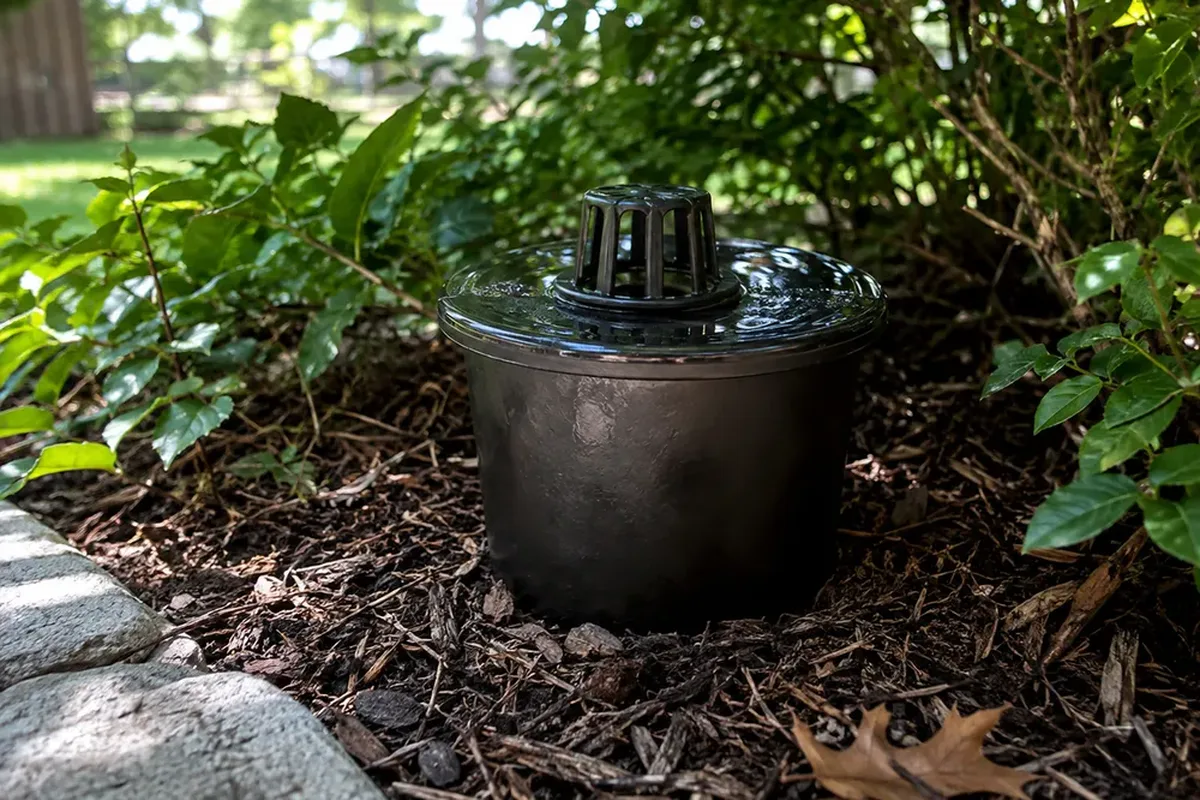
The other reason is water you can't see. Gutters behind a roofline, drain boxes and plant saucers under shrubs keep breeding long after the bird bath is clean. Our mosquito treatment for DFW yards adds MosquitoCon larvicide stations, refilled every month, so larvae in hidden water never mature. The same plan covers mosquito control in Dallas and the surrounding cities.
Mosquito Larvae FAQ
Do mosquito dunks kill adult mosquitoes?
No. Bti only kills the larvae that eat it, so adults already flying around your yard aren't affected. Dunks stop the next generation, which is why they work best when you start early in the season.
Can mosquito larvae survive if you dump the water?
Not for long on dry ground. Larvae need water to breathe and feed, so pour it onto soil or pavement in the sun. Water dumped into a drain or a low spot that stays wet gives them a new home.
How do you kill mosquito larvae in a pool?
A pool with a working pump and chlorine rarely holds larvae. An unused or green pool does, so restart the pump and chlorine, or treat the water with a larvicide labeled for pools.
What kills mosquito larvae naturally?
Removing the water is the most natural fix there is. Moving water from a pump or fountain also keeps larvae from settling, and Bti is itself a naturally occurring soil bacterium.
If larvae keep turning up after you've cleared the yard, the source is usually water you can't reach. Ask us for a price online or over the phone, and our team will find and treat that hidden water.