Does Bleach Kill Roaches?
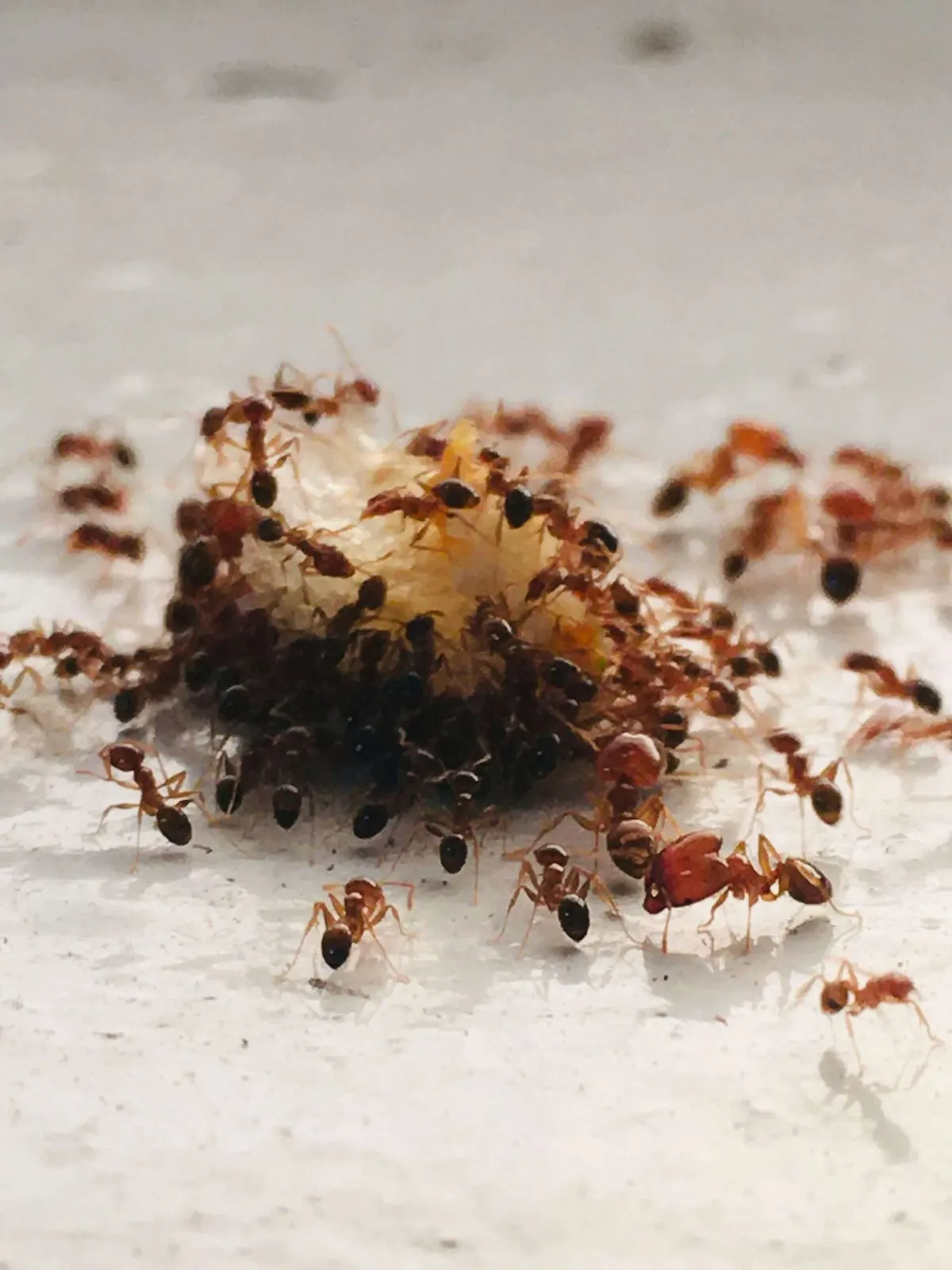
Bleach kills a cockroach only when you soak it directly, and most roaches run off before you can. It leaves no residue that kills roaches later, and it can't reach the ones hiding in walls, drains or gutters. Cleaning still matters, because it removes the food, grease and water that keep roaches around.
On this page
How Bleach Kills a Cockroach
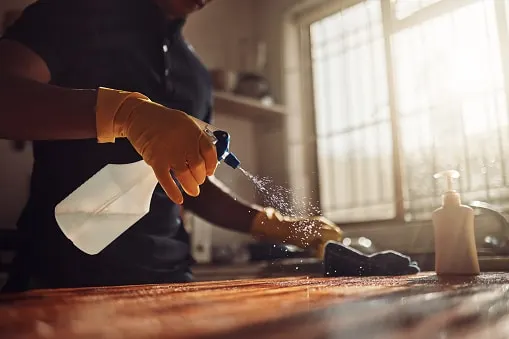
Household bleach is a solution of sodium hypochlorite. A roach breathes through small openings along its body, and a heavy dose of bleach can block them and burn through its outer shell. The dose has to be large. A quick spray often isn't enough, and some roaches die only after they swallow enough of the liquid to drown.
Speed works against you too. Roaches dart for cover the moment they're disturbed, so by the time you grab the bottle, the roach is usually under the stove. Once bleach dries, it has no lasting effect at all. A roach that crosses a wiped baseboard an hour later walks away unharmed.
Eggs are out of reach as well. Female roaches lay their eggs inside a hard, bean-shaped case, and the case shields the eggs from cleaners. One case can hold up to 40 young for German cockroaches and 15 to 20 for the larger species, according to the University of Kentucky's cockroach guide. Kill the adult with bleach, and the case it dropped can still hatch.
Why Bleach Misses Most Roaches
At any given moment, most roaches in a home stay out of sight. They pack into cracks behind cabinets, gaps under appliances, wall voids and the spaces around pipes. The University of Kentucky notes that they also gather in floor drains, pipe chases and sewer systems. Bleach wiped on a counter never touches any of them.
Outdoor roaches hide in places people don't think to check. Texas A&M AgriLife entomologists point out that outdoor cockroaches often live in the wet leaves that build up in gutters. In DFW, the big roaches that wander in after a cold front or a heavy rain usually come from spots like these, not from a dirty kitchen.
Pouring bleach down the drain doesn't fix that either. It treats only the few inches of pipe it touches, while roaches in the sewer line stay out of reach. Full-strength bleach can also damage pipes and fixtures over time, and the fumes build up in a small bathroom.
Cleaning Products and Roaches Compared
People reach for whatever is under the sink. The table below shows what common cleaners actually do to roaches and where each one falls short.
| Product | What it does to roaches | The catch |
|---|---|---|
| Bleach | Kills a roach it soaks | No lasting effect, stains surfaces, and toxic fumes if mixed |
| Soapy water | Can drown a roach that falls into a bowl of it | A quick spray rarely kills |
| Vinegar | Doesn't kill or repel roaches | Still cleans food residue well |
| Boiling water in a drain | Kills roaches it reaches in the trap | Can damage plastic pipes |
| Degreaser or dish soap | Doesn't kill roaches | Removes the grease and crumbs they feed on |
None of these products controls an infestation. They kill the roach in front of you or remove what feeds the others.
What Cleaning Does Help With
Clean homes still get roaches. The University of Kentucky notes that roaches thrive where sanitation is poor, but even clean homes can become infested. German cockroaches often ride in on grocery bags, drink cartons and used furniture, while outdoor species walk in from the yard, whatever the state of the kitchen.
Cleaning decides how long they stay. Roaches eat crumbs, grease, pet food and even glue, soap and hair. They can last weeks without food but only days without water. Wipe grease from behind the stove and under the toaster, store pet food in sealed bins and fix drips under the sink. Clean droppings and egg cases as you find them too, since that also removes the scent trails roaches follow. In fall, scoop the leaves out of the gutters so outdoor species lose their winter shelter.
Never Mix Bleach With Other Cleaners
The real danger with bleach is chemistry. The CDC warns never to mix household bleach with any other cleaner or disinfectant, because the mix can release vapors that are very dangerous to breathe. Ammonia, vinegar and many multi-purpose cleaners all react badly with bleach, so a "stronger" homemade roach spray can harm the person using it.
Pets and children face extra risk from pooled bleach on floors and in cabinets. If roaches turn up where kids and pets play, pet-friendly pest control uses products picked for homes with animals.
What Works on Roaches Instead
The answer depends on the species. German cockroaches are small, tan and live indoors, mostly in kitchens and bathrooms. They need gel bait and growth regulators, which work only on German roaches and stop them from breeding. American, smokybrown and oriental cockroaches are larger outdoor species. Those call for treatment outside the house and for sealing the gaps they use to get in.
Our page on cockroach control for DFW homes explains how we treat each species. If roaches keep turning up, get a price online or by phone.
Bleach and Roaches FAQ
How long does it take bleach to kill a cockroach?
There's no set time. A roach has to take a heavy soaking, sometimes enough to drown it, before bleach kills it. A light splash often lets it run off and recover.
Does bleach kill cockroach eggs?
No. The eggs sit inside a hard case that cleaners can't get through. Bleach may kill the adult, but the egg case can still hatch weeks later.
Does bleach kill roaches in drains?
Only the few it soaks in the trap. Roaches in the sewer line stay out of reach, and full-strength bleach can damage pipes over time. Boiling water reaches the trap too, but skip it on plastic pipes.