Do Bug Bombs Work on Roaches and Fleas?
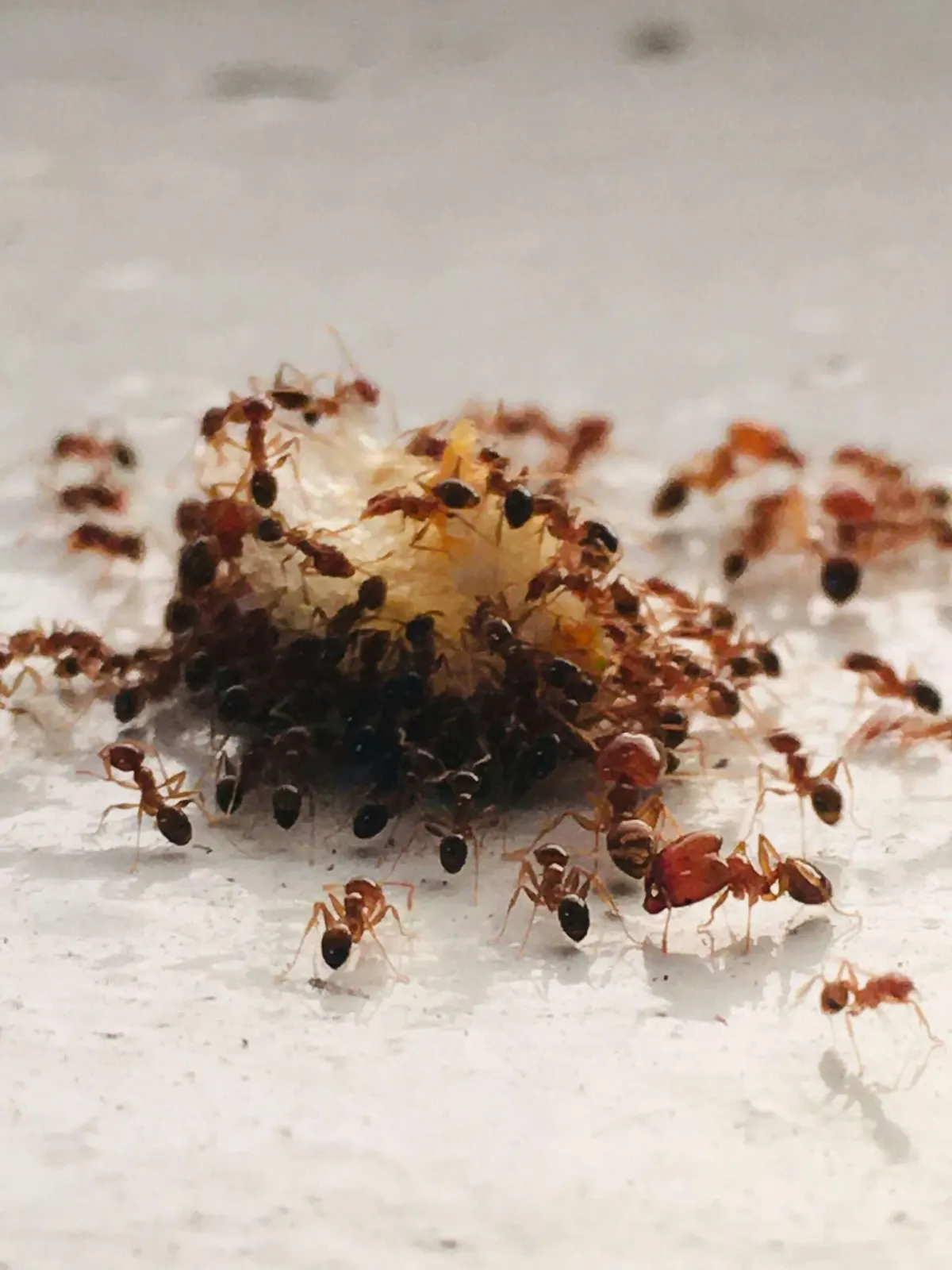
Bug bombs rarely solve an infestation. The fog kills insects caught in the open air, but cockroaches, ants and spiders spend their days in cracks, behind cabinets and inside walls, where it never reaches. NC State researchers found that foggers left plenty of German cockroaches in apartments while coating floors and counters with pesticide.
On this page
What a Bug Bomb Actually Does
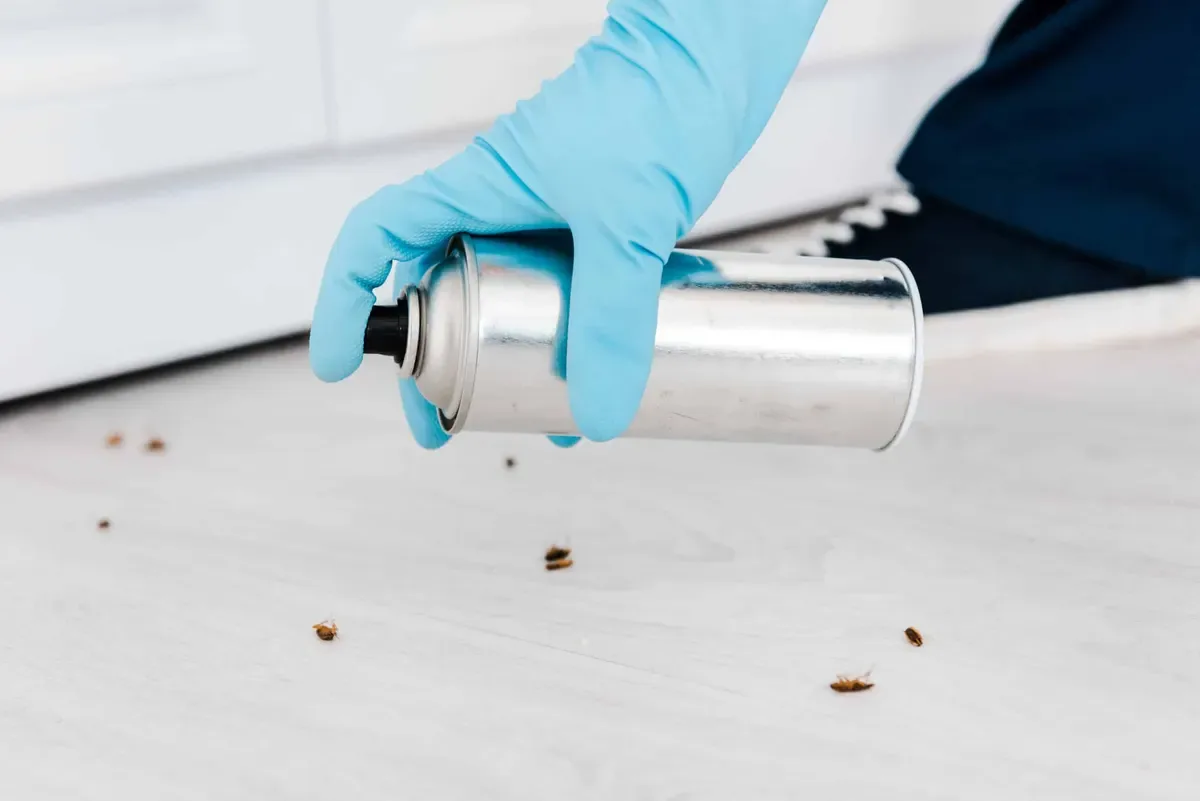
A bug bomb, or total release fogger, is an aerosol can that empties its whole load at once. The mist rises, spreads through the room and then settles, mostly on floors, counters, furniture and other flat, open surfaces. Most foggers rely on pyrethroids, fast-acting insecticides that kill insects on contact.
That design is the problem. Fog drifts in open air and lands on top of things, while household pests live underneath and inside them. A cockroach tucked behind a dishwasher or an ant colony inside a wall void never touches the mist. The insects you kill are the few that happened to be out in the open, and the rest of the population carries on.
Do Bug Bombs Work for Roaches?
Not on German cockroaches, the small brown roaches that infest kitchens. NC State entomologists tested four store-bought foggers in five apartment complexes with moderate to severe German cockroach infestations, following every label direction. The foggers left plenty of roaches behind, as NC State's report on the bug bomb study explains. The fog never reached the undersides of surfaces or the insides of cabinets, where roaches gather.
The same study found pesticide residue spread across floors and countertops, the places roaches avoid but children and pets touch every day. For German cockroaches, the method that works is bait placed in the cracks where they live, plus a growth regulator that stops nymphs from maturing. Our German cockroach treatment uses that approach and follows up as new nymphs hatch.
How Bug Bombs Do Against Common Pests
Foggers do a little better against some pests than others, but none of them reach the source. This table compares how a bug bomb performs against the pests DFW homeowners most often try to fog and what works better.
| Pest | What a bug bomb does | What works better |
|---|---|---|
 German cockroaches |
Kills a few in the open, misses the colony in cracks | Gel bait in cracks and a growth regulator |
 Ants |
Kills foraging workers, leaves the queen untouched | Baits workers carry back to the nest |
 Fleas |
Lands on top of carpet, misses eggs and pupae deep in the fibers | Daily vacuuming, pet treatment and a targeted indoor treatment |
 Bed bugs |
The EPA warns the fog misses the cracks where they hide by day | A bed bug specialist |
 Spiders |
Kills the occasional spider in the open | Removing webs and egg sacs, then treating hiding spots |
Fogger Injuries in Texas
Bug bombs send people to the doctor more often than most people expect, and Texas leads the count. A CDC review of fogger illnesses and injuries found 3,222 cases in 10 states from 2007 to 2015. Texas accounted for 915 of them, more than a quarter of the total, and about 92% of all cases happened in private homes.
The most common causes were simple mistakes. People stayed inside while the can went off, came back too soon, couldn't get out before the fogger started or didn't air out the house afterward. Coughing, throat irritation and trouble breathing were the most frequent symptoms, followed by nausea and vomiting. People with asthma faced the highest odds of a serious reaction.
Fire and Explosion Risk
The propellant in a bug bomb is flammable, and too much of it in a closed room can explode. The EPA advises using no more than one fogger per room and never using one in a closet, cabinet or under a counter. It also recommends placing the fogger at least six feet from any flame, pilot light or appliance that sparks.
That last point matters in many DFW houses. Gas water heaters and furnaces often sit in garages, hall closets and attics, and their pilot lights burn around the clock. Refrigerators and thermostats that cycle on and off can spark too. The EPA suggests calling your gas utility if you need help turning a pilot light off.
What Works Better Than a Bug Bomb
The pests that drive people to fog all share one habit, hiding where sprays can't reach. Baits that pests carry home, treatment pressed into cracks and wall gaps, and sealing the openings they use get at the source. Cleaning up crumbs, fixing leaks and clearing clutter make every one of those methods work faster.
If you've already fogged once and the bugs came back, that's the usual result rather than bad luck. Homeowners across the city can see how our technicians handle recurring bugs on our pest control in Dallas page.
Bug Bomb FAQ
How long should you stay out after a bug bomb?
Follow the label, which usually says two to four hours. When you return, open the doors and windows to air the house out before anyone settles back in.
Do you have to wash everything after a bug bomb?
Wash dishes, counters and any food prep surfaces the fog could have reached. Wash toys, pet bowls and anything children put in their mouths too, since residue settles on open surfaces.
Do bug bombs work on spiders?
Only on the ones caught in the open. Spiders sit in webs and hide in corners, behind furniture and in boxes, and most of them survive. Removing webs and egg sacs does more to cut their numbers.
Fogging the same rooms every few months means the bugs live somewhere the fog can't reach. Request a quote online or give us a call, and our team will go after the cracks and voids where they hide.