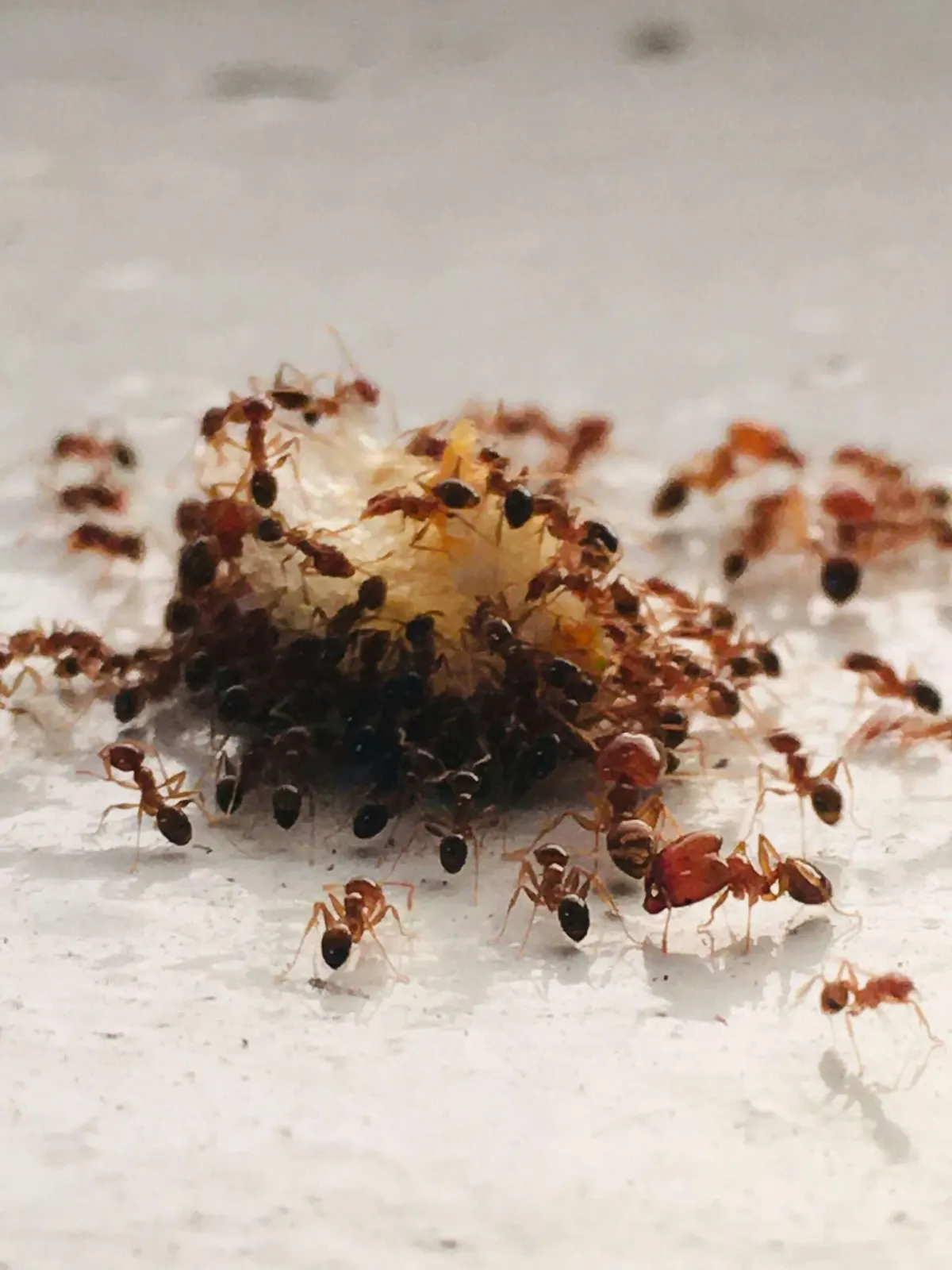
Bugs in the House in Winter
Bugs in the house in winter are usually outdoor pests escaping the cold, or insects that moved into the walls in fall and wake on warm days. In DFW, each cold front pushes cockroaches, scorpions, mice and rats toward the house. Paper wasps and lady beetles tucked in the walls crawl out on mild afternoons, and German cockroaches never left.
On this page
Why Bugs Come Inside in Winter
Most insects outdoors go dormant in winter. They wait out the cold as eggs, larvae or resting adults in soil, leaf litter and loose bark, where temperatures stay steadier than in the open air. A house works the same way on a bigger scale, so attics, wall voids and crawl spaces draw anything that can squeeze in.
DFW winters are short and choppy. According to NWS freeze data for DFW Airport, freezing nights usually fall between late November and mid-March, a season of less than four months. Cold fronts sweep through that stretch with mild days in between, and every front sends more pests looking for a warm gap. Each mild spell then wakes some of the ones already hiding inside.
Texas A&M AgriLife entomologists name scorpions and outdoor cockroaches among the pests most likely to push indoors when the weather turns cold. They also point to exclusion, closing the openings pests use, as the best protection.
Winter Bugs in DFW Homes
Each winter pest has its own reason for being inside, and that reason tells you where it turns up. This table covers the ones DFW homeowners find most from November through February.
| Pest | Why it's inside in winter | Where you find it indoors |
|---|---|---|
 American and smoky brown cockroaches |
Cold fronts drive them out of wet leaves and gutters | Bathrooms, kitchens and garages near drains |
| German cockroaches |
They live indoors all year | Kitchens, behind appliances, inside cabinets |
| Striped bark scorpions | They look for shelter when it turns cold | Attics, closets, walls and bathtubs |
 Paper wasp queens |
They hide in attics and wall voids until spring | Windows and light fixtures on warm days |
 Lady beetles and boxelder bugs |
They gather in wall gaps as adults | Sunny windows and window frames |
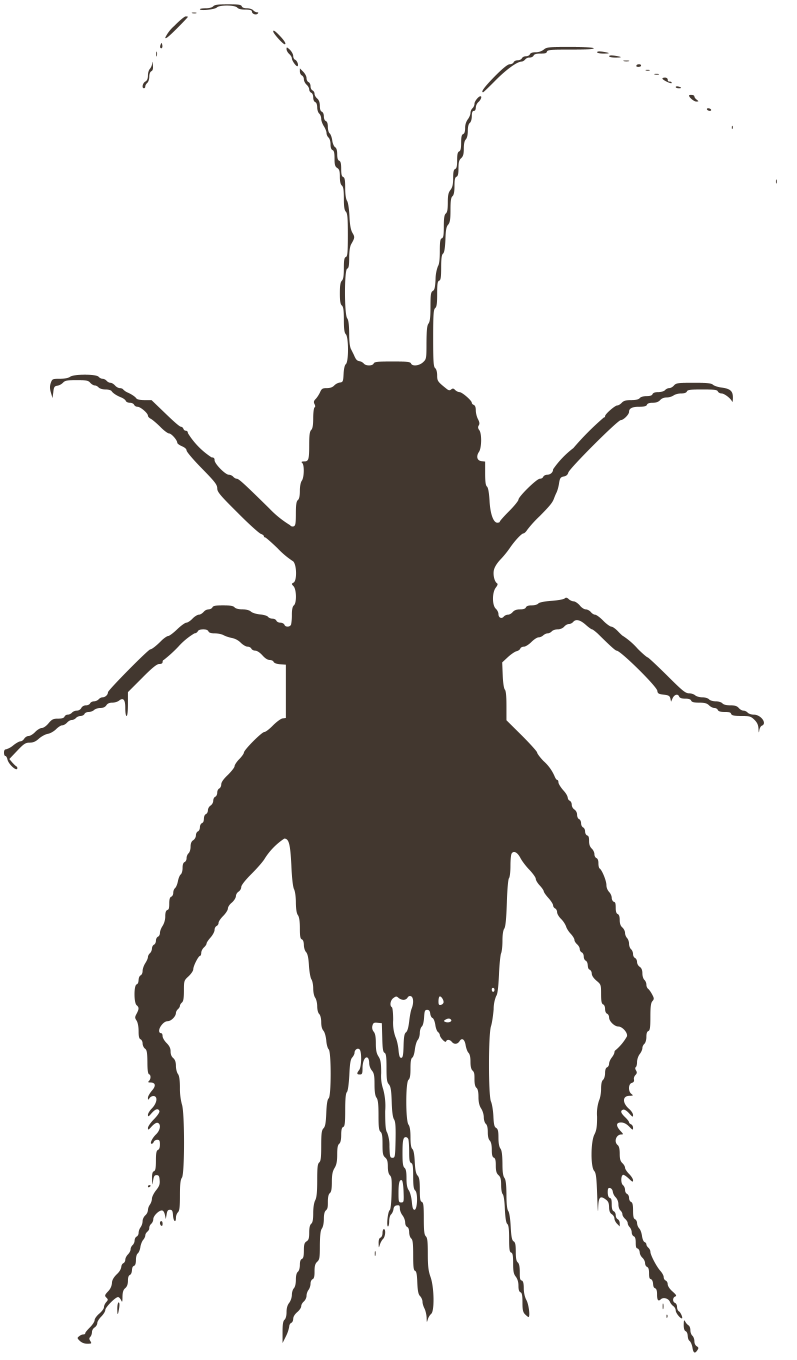 Field crickets |
They seek shelter after the first cold fronts | Garages, baseboards and laundry rooms |
 Mice and rats |
They follow warmth and food as nights get cold | Attics, garages, kitchens and inside walls |
Bugs That Wake Up on Warm Days
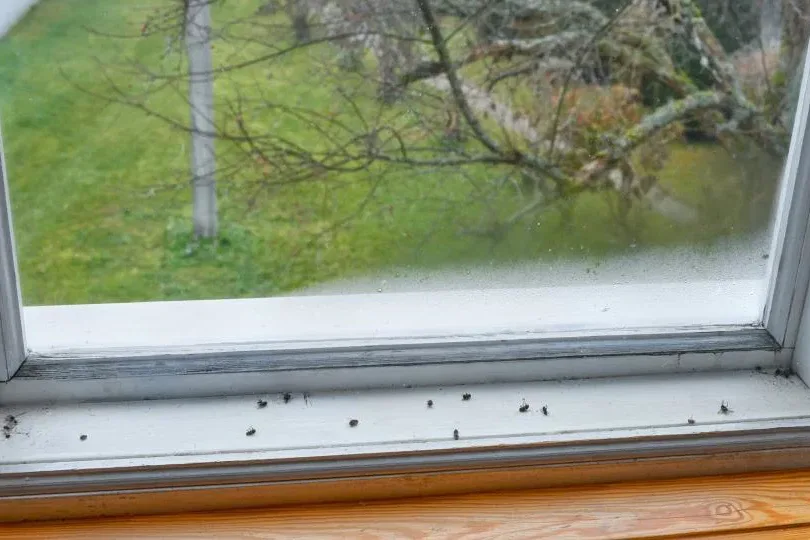
A cluster of sluggish insects at a sunny window in January usually came from inside the walls, not from outside. Paper wasp queens, lady beetles and boxelder bugs settle into wall voids and attics in fall. A warm afternoon heats the wall, they wake, and they crawl toward the brightest light they can find, which is your window.
These insects don't breed or feed inside your house. Vacuum them up rather than crushing them, since lady beetles and boxelder bugs can stain fabric and walls. If they keep appearing at the same window, the gap they use is nearby, often around the window frame, an attic vent or a light fixture.
Visitors or Residents
Most winter bugs are visitors, and a few are living with you. Telling the two apart decides whether you need a sweep or a real treatment.
Visitors show up one at a time and look lost, like a big roach in the bathtub after a cold front or a scorpion on the garage wall. Residents leave evidence. German cockroaches seen in the kitchen during the day mean they're breeding indoors. So do droppings like ground pepper in cabinet corners, mouse droppings along baseboards and gnawed food packages. Large roaches that appear after the first front are usually outdoor species, and our page on American, smoky brown and German cockroaches explains how we handle each one. Mice and rats move in for the same reasons as insects, and a mouse needs only a dime-sized opening. That's why rodent control for DFW homes starts by sealing those gaps.
What to Check Before a Cold Snap
The days before a cold front are the best time to look around the house, because that's when pests start hunting for a way in. A short walk-around covers the spots winter pests use most.
- Scoop wet leaves out of the gutters, where outdoor cockroaches spend the winter.
- Move firewood, leaf piles and stacked boards away from the walls, since scorpions hide under them.
- Look at roof vents, soffits and gaps in siding, which lead straight to the attic.
- Check the spots where plumbing and the AC line pass through the wall for new openings.
- Inspect potted plants for ants before you bring them in for the winter.
For year-round coverage, quarterly pest control keeps working through winter. Winter visits focus on Zero Gap sealing and setting the barrier for spring, and you can start in any month.
Winter Bugs FAQ
Do bugs die in winter?
Some do, but their species carries on. In many insects the adults die in fall, and the next generation waits out winter as eggs or larvae. Others survive as dormant adults in soil, bark or buildings.
Will a hard freeze mean fewer bugs in spring?
Rarely. Insects that overwinter have adapted to the cold, and DFW's cold spells are usually brief. Most of them spend the worst nights sheltered in soil, bark or buildings.
Do mosquitoes bite in winter in DFW?
Sometimes, on warm days. Some mosquito species spend winter as adults in sheltered spots and become active again when the weather warms. In DFW, a mild spell between fronts can bring a few out.
Winter bugs that keep showing up in the same room usually point to one open gap or one indoor nest. Our quote form shows a price online, and a call to the office works just as well for tracking down which one it is.