What Attracts Termites to Your House
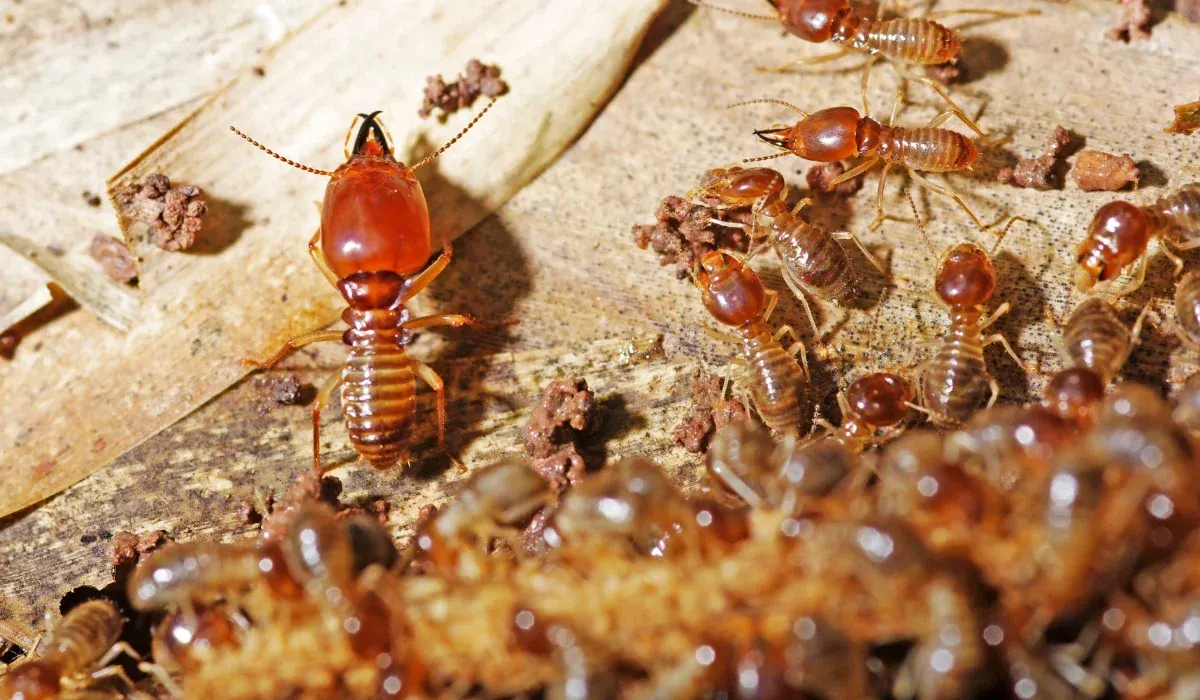
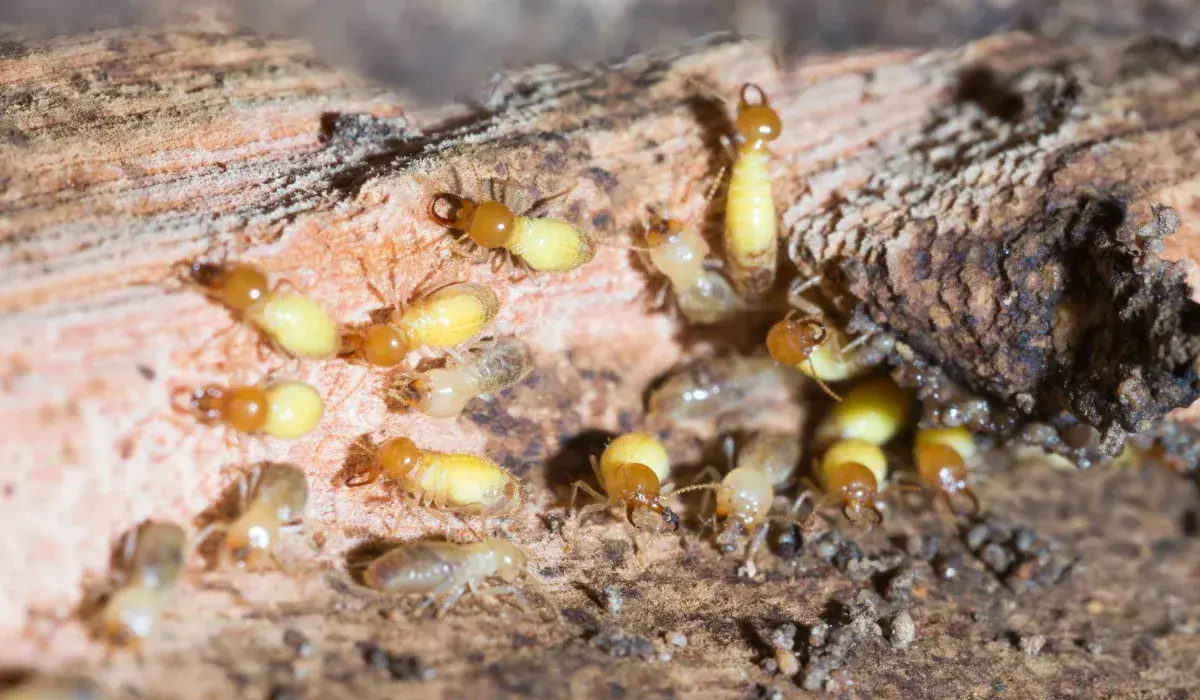
Moisture attracts termites more than anything else. Subterranean termites dry out fast, so they forage toward damp soil and wet wood, then follow any wood that touches the ground into the house. Leaks, soggy flower beds, buried wood scraps and dense shrubs against the walls all pull them closer.
On this page
Why Moisture Draws Termites First
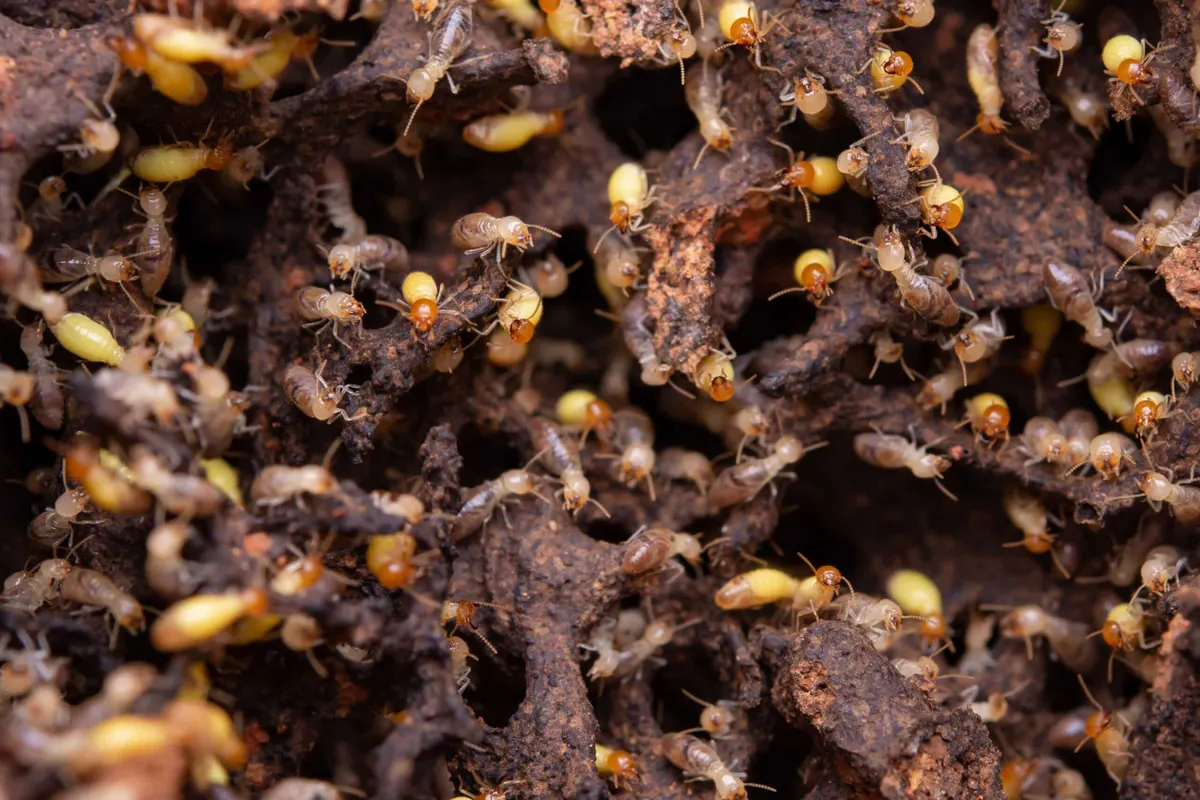
Termites dry out easily, and the soil is where they get most of their water. That's why nearly every colony that reaches a house in DFW starts in the ground. Damp soil lets workers tunnel and feed close to the surface, right where the slab meets the yard.
A leak can stand in for the soil. Leaky plumbing, a roof leak, an AC condenser or a bad gutter can all supply that water. Once termites find it, they can stay away from the soil for long stretches, according to Texas A&M AgriLife's termite prevention guide. A slow drip inside a wall can keep a colony feeding well above the slab.
DFW summers make this worse. When the yard bakes and cracks in July, a watered flower bed along the foundation becomes the dampest soil on the lot. Keep the water you need for the slab steady and modest, and fix any leak the same week you find it.
Wood Close to the Ground
After water comes food. Termites feed on cellulose, which means wood, paper, cardboard, cotton and other plant material, and the guide notes they pick up the odor of decaying wood. Any of that touching the soil gives foraging workers a bridge they can cross without coming into the open.
Land use matters too. Before a neighborhood goes in, local termites live on dead trees and brush. Once crews clear the land and build houses, the guide says termites often switch to the wood in those houses. Much of Southlake was farmland and woods before the subdivisions arrived, and the same holds for newer areas across DFW.
Builders can leave food behind as well. Grade stakes, form boards and wood scraps buried near the slab after construction keep feeding a colony a few feet from the framing.
Does Mulch Attract Termites?
Mulch gets more blame than it deserves. Iowa State Extension's summary of University of Maryland mulch research found termites about equally often under eucalyptus, hardwood and pine bark mulch, under pea gravel and under bare soil. In lab tests, termites fed those wood mulches survived poorly, so they're unlikely to feed on mulch for long.
The real issue is moisture and cover. Mulch keeps the soil under it damp, and termites that wander into that spot tend to stay. Thick mulch piled against the house also hides any mud tubes on the slab, which gives a colony months of quiet access.
So keep mulch, but place it well. Pull it several inches back from the foundation, keep the bed below the top of the slab and never let it touch brick, siding or windowsills.
Termite Attractant Myths and Facts
Some common worries matter less than people think, and some small habits matter more. This table sorts the ones DFW homeowners ask about most.
| Item | Does it attract termites? | Why |
|---|---|---|
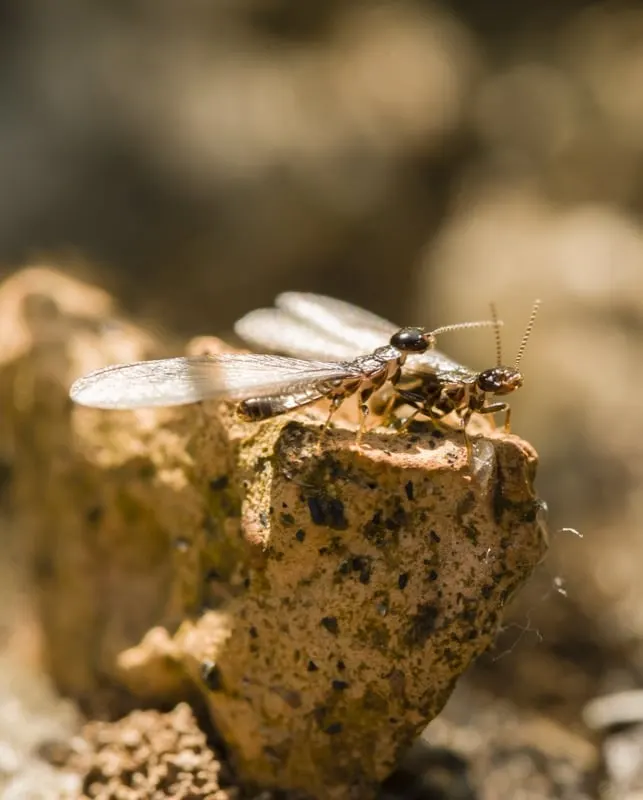
| Porch and window lights | Swarmers only | Spring swarmers fly to light, but workers are blind and never follow it |
| Rock or gravel beds | They don't stop termites | Termite activity lasted longer under pea gravel than under wood mulch in the Maryland study |
| Cardboard boxes on a garage slab | Yes | Cardboard is cellulose, and the boxes cover slab cracks where termites come up |
| Firewood stacked against the house | Yes | It feeds and shelters workers right at the wall |
| Dense shrubs planted against the wall | Yes indirectly | They raise humidity at the foundation and hide mud tubes |
Swarmers indoors are the one light-related sign to take seriously. A swarm at an indoor lamp points to a colony that already lives in the walls.
Making a House Less Attractive to Termites
The best changes cut off water and close the gaps between soil and wood. Fix leaks, slope soil away from the slab, trim shrubs back from the walls and store firewood and boxes off the ground and away from the house. Set wooden steps and fence posts on concrete instead of soil.
None of this makes a house termite-proof. Native subterranean termites live in the soil across DFW, and they find a way in through slab cracks and plumbing gaps on even the driest lot. Our Sentricon termite protection places bait stations in the soil around the house, and workers carry the bait back to the colony. Our local team offers the same plan as termite control in Southlake and the cities around it.
Termite Attraction FAQ
What smell do termites hate the most?
No scent you can buy keeps subterranean termites away for long. They follow moisture and the odor of decaying wood through the soil, so a smell sprayed on the surface doesn't change where the colony forages.
Can a clean, dry house still get termites?
Yes. A tidy house with no leaks gets fewer termites, but colonies in the soil still search every crack and pipe gap in the slab. That's why protection in the soil matters even on a well-kept lot.
Does a new house attract termites?
A new house on freshly cleared land draws termites that lost their old food supply. Many new DFW homes come with a soil pretreatment, but that barrier wears down over the years, so plan for protection after the builder's warranty ends.
Can termites come in with mulch or firewood?
Rarely with mulch, because the chipping process kills most insects in the wood. Firewood, landscape timbers and salvaged lumber laid on the ground carry a far greater risk, so stack firewood off the soil and away from the walls.
Moist wood touching the soil is usually what draws termites to a house. Ask for a quote online or by phone, and we'll check the slab edge and the wood closest to the soil.