Termite Queen Facts
A termite queen is the egg-laying founder of a colony. Among DFW's native subterranean termites, she begins life as a dark winged swarmer. After the flight she pairs with a king underground, and her first year brings only a few hundred eggs. The giant queens that lay thousands of eggs a day belong to African mound-building termites.
On this page
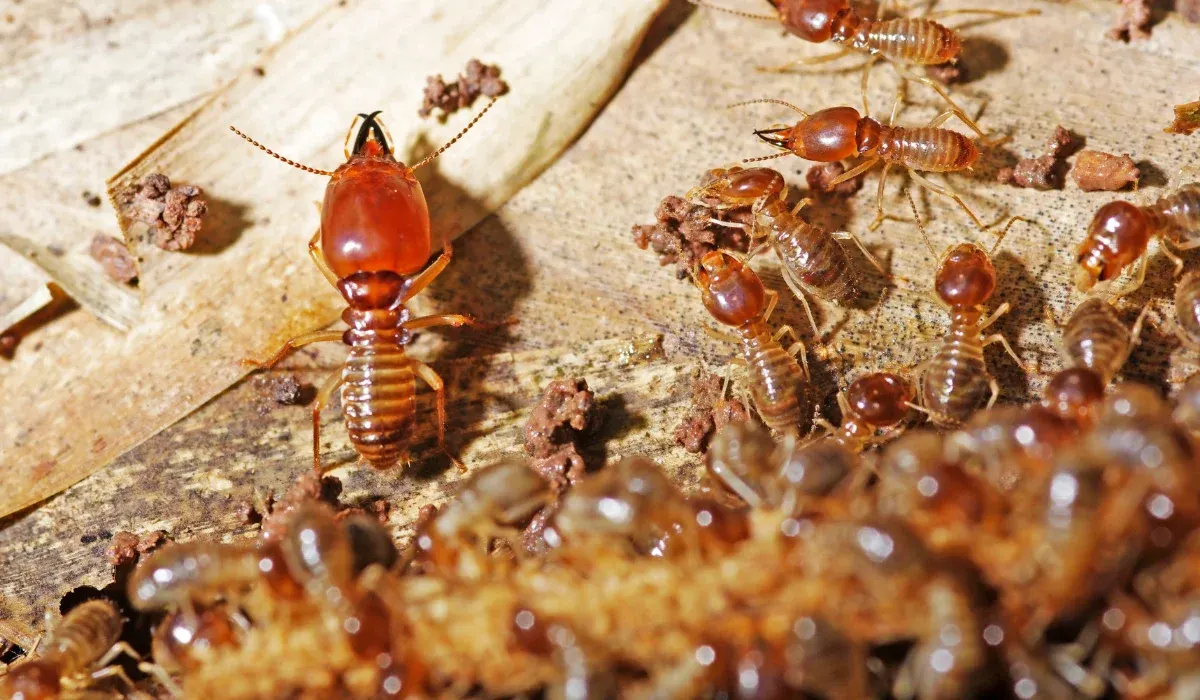
How a Termite Queen Starts a Colony
Every queen begins as a swarmer. On a spring day, often after rain, winged kings and queens leave a mature colony together. Females and males find each other by scent, land, and break off their wings. The pair then digs a small chamber in moist soil next to wood and mates.
The start is slow. Texas A&M's subterranean termite guide says the queen begins laying about a week after mating, and the eggs hatch several days later. She lays only a few hundred eggs in that first year. The king doesn't leave. He keeps the eggs clean and moist and feeds the first larvae digested wood until workers can take over.
From then on, she lays eggs steadily rather than in batches, and her output climbs as she grows. A native colony needs 3 to 5 years to mature. Only then does it send out swarmers of its own, and the cycle starts again.
How Big a Termite Queen Gets
The queen grows as her egg-laying ramps up, because her abdomen stretches to hold the developing eggs. How far that goes depends on the species. The table below compares the queen of DFW's native termites with the African mound-building queens that appear in nature documentaries.
| Native subterranean queen (DFW) | African mound termite queen | |
|---|---|---|
| Size | Grows larger with age, but stays small | Can reach several inches long |
| Egg output | A few hundred in year one, more each year after | Some species lay up to 30 eggs a minute |
| Lifespan | Years, often extended by backup queens | Up to about 40 years in some species |
| Colony | About 21,000 to 365,000 termites | Huge colonies inside tall mounds |
| Home | Hidden underground in the soil | Royal chamber inside the mound |
The famous numbers come from tropical species like Macrotermes. Native Texas queens never reach that size, and most homeowners will never see one.
The King and the Backup Queens
The king stays with the queen for life and mates with her again and again, since she needs repeated mating to keep laying fertile eggs. Unlike ant colonies, which have no king, a termite colony keeps a male at its center.
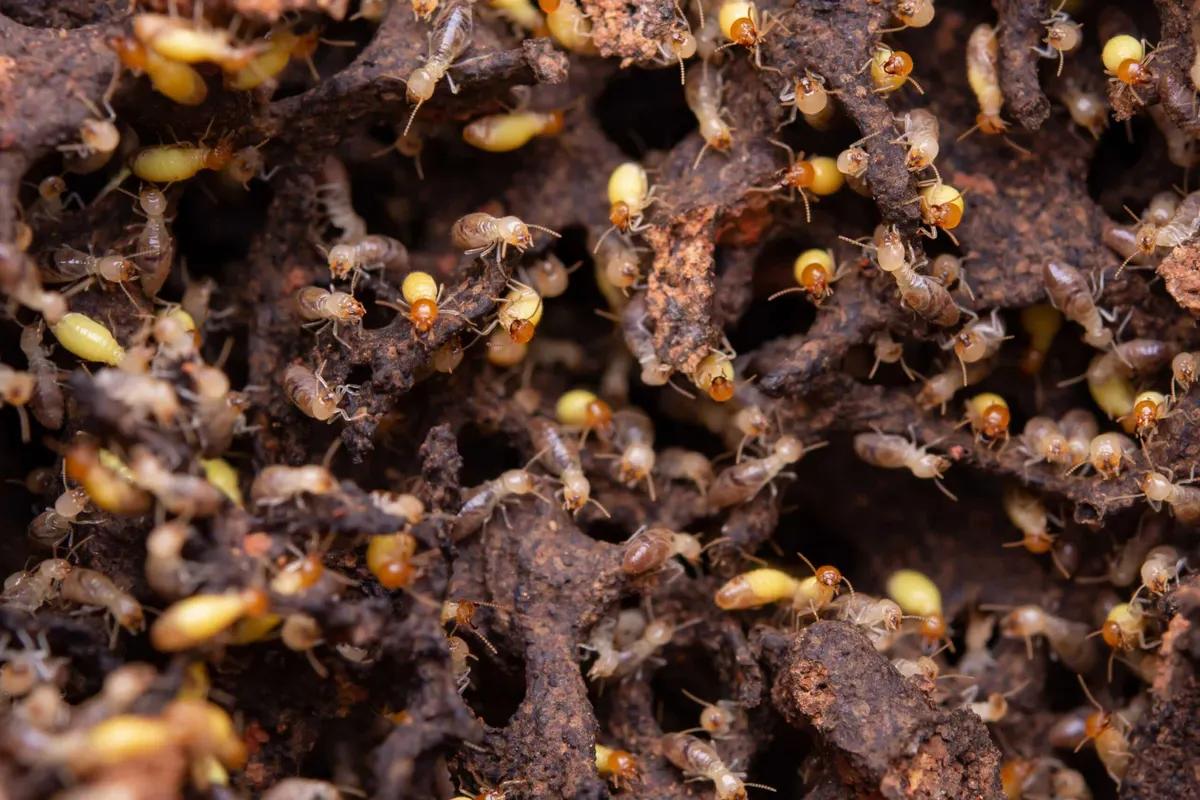
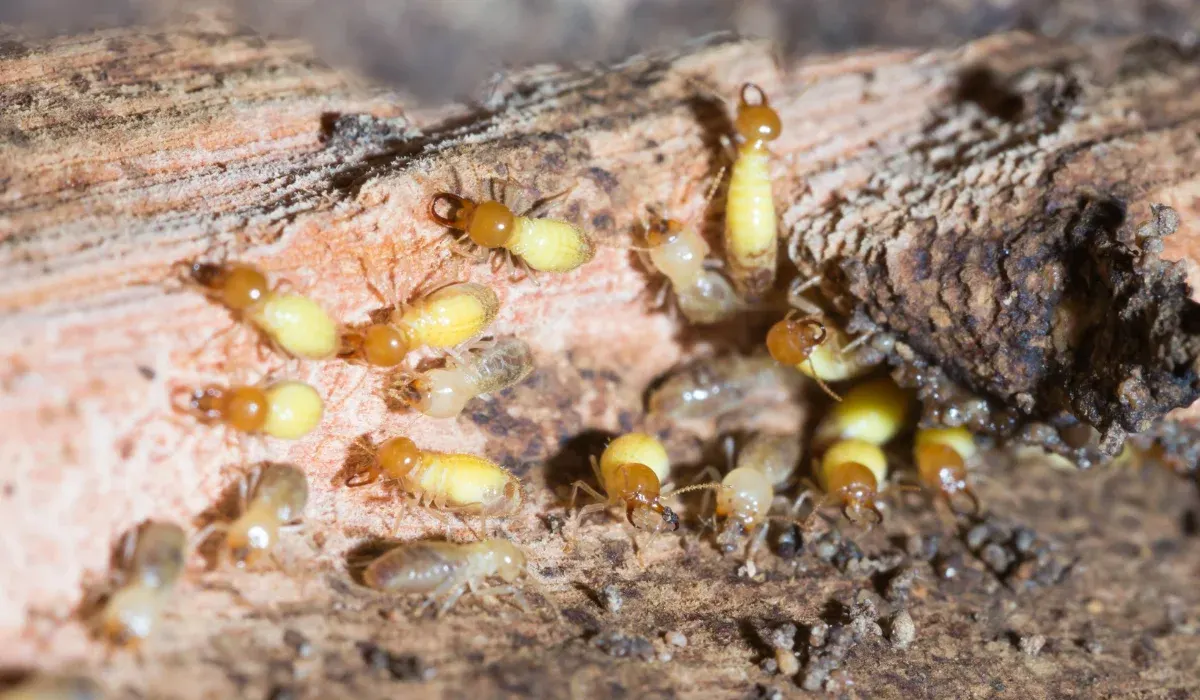
Native colonies also keep spare royals. Texas A&M describes secondary and tertiary reproductives, pale yellow-brown termites that mature inside the colony and never leave. If the queen dies or part of the colony gets cut off, they take over egg-laying. Several of them can lay at once, and the colony may grow faster than it did with the original queen.
What Happens If a Termite Queen Is Killed
In a native colony, losing the queen rarely ends it. Texas A&M's insect field guide notes that new reproductives develop when the queen dies or the colony splits, and a split-off group can start a colony of its own. That's why digging up one nest, or killing the termites you can see, doesn't solve an infestation.
Effective treatment reaches the whole colony instead of one termite. Bait stations work because workers carry the bait back and share it with everyone, including the royals and their replacements. Forterra uses Sentricon bait stations for termite control, which go in the ground around the house, and our technicians check them every year. Swarmers or mud tubes at your house call for a termite inspection first. You can also check the price online or call us.
Termite Queen FAQ
What is the average lifespan of a termite queen?
It depends on the species. Some African mound-building queens live up to about 40 years. Native subterranean queens are far less studied, but their colonies can outlive any single queen because backup reproductives take her place.
Why is the termite queen so big?
Her abdomen stretches as her ovaries grow and fill with eggs. In the largest tropical species, that makes her many times longer than a worker. Native queens grow too, but on a much smaller scale.
Does a termite queen have wings?
She does at first. Every primary queen starts as a winged swarmer, then breaks off her wings after the flight and spends the rest of her life underground.