Does Home Insurance Cover Termite Damage?
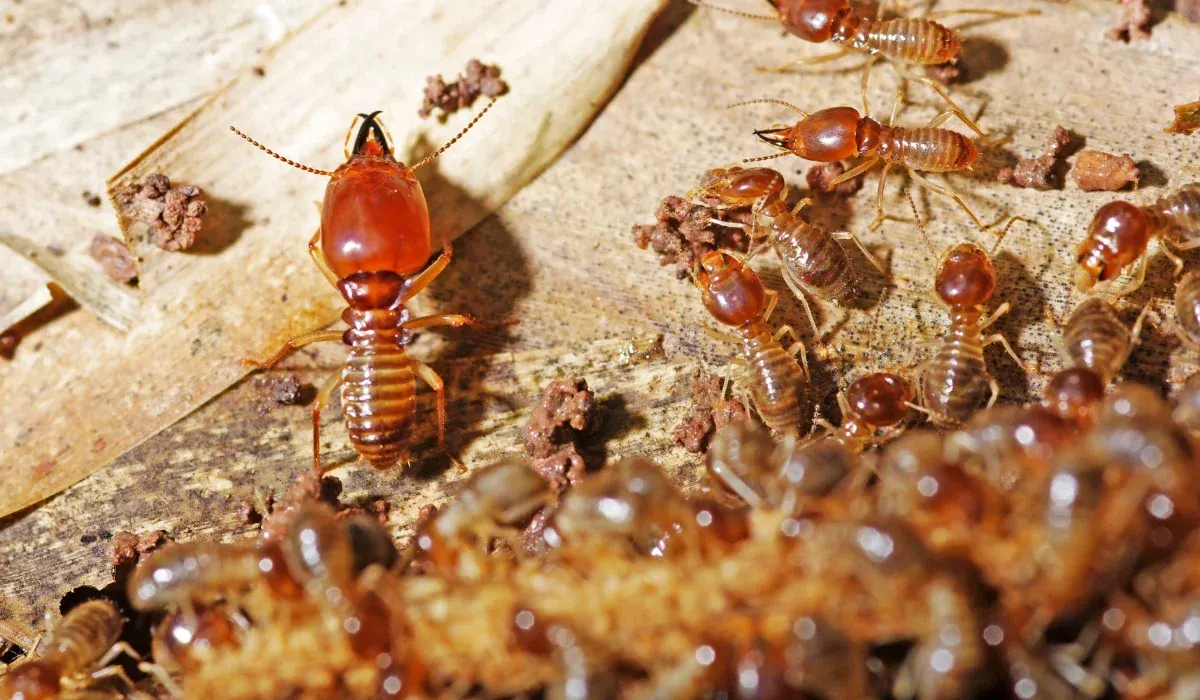
No. Standard homeowners insurance almost never pays for termite damage. Texas policies treat termites, like rats and other insects, as a slow problem the owner should prevent, so the repair bill falls on you. A termite warranty, often called a termite bond, is the protection built for termites.
On this page
Why Insurance Excludes Termite Damage
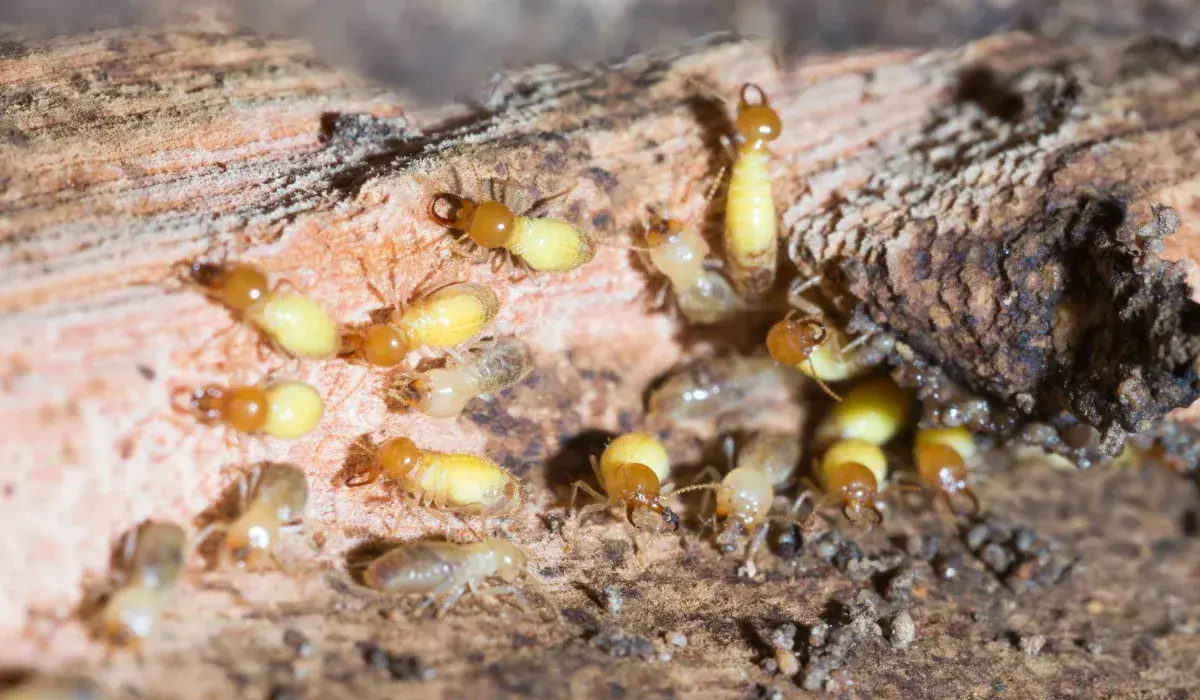
Insurance pays for sudden, accidental losses, such as a fire, a hailstorm or a burst pipe. Termites work slowly and out of sight, often for years before anyone notices, so insurers file their damage under upkeep rather than accidents. The Texas Department of Insurance list of what home policies won't cover puts rodent and insect damage first and says your policy won't pay to repair it.
Texas policy forms spell it out too. Exclusion language approved by the state names rats, mice, termites, moths and other insects among the causes of loss a policy won't pay for, alongside wear and tear. Exact wording varies by insurer, so the exclusions section of your own policy is the final word.
When Insurance Might Still Help
Insurance can still cover damage that isn't caused by the termites themselves. Texas policy language carves out accidental water discharge from plumbing, heating and air conditioning systems or household appliances. If a supply line bursts and soaks a wall, your policy may pay for the water damage, but not for termites that later move into the wet framing.
That gap matters in DFW, where subterranean termites seek out damp wood. A slow leak under a sink or a dripping AC line along the slab creates exactly the moist wood they want. Fixing leaks quickly protects both the insurance claim and the house.
Homeowners Insurance vs Termite Bonds
Homeowners often assume some policy or contract covers termites, and each one covers something different. This table compares the protection a DFW homeowner most likely has or hears about.
| Protection | Pays to repair termite damage? | Pays for treatment? | What it really is |
|---|---|---|---|
| Homeowners insurance | No termites are excluded | No | Coverage for sudden, accidental loss |
| Re-treatment termite bond | No | Yes if termites return | A service contract with a pest company |
| Repair termite bond | Yes within its limits | Yes | A service contract that adds repair coverage |
| Wood destroying insect report | No | No | A one-day inspection record for a home sale |
Termite Bonds and Warranties
A termite bond is a contract between a homeowner and a pest company, not an insurance policy. Most cover re-treatment if termites come back while the contract is active, plus regular inspections or monitoring. Some add repair coverage for new damage, and those cost more and carry their own limits and exclusions.
Read the terms before you sign, because two bonds with the same name can cover very different things. Check whether the bond pays for repairs or only re-treatment, and whether it covers damage that existed before treatment. Ask how often someone inspects the property and what happens if you sell the house. Our termite control for DFW homes includes a warranty Forterra backs itself. It covers free re-treatment if termites return, station upkeep and a refund of the latest payment if three re-treatments can't solve the problem. Like most re-treatment warranties, it doesn't pay to repair wood damaged before treatment started.
Termite Reports When Buying a DFW Home
Texas has its own rules for the termite report in a home sale. The Texas Department of Agriculture requires every termite report issued for a real estate transaction to use its official wood destroying insect form. The state rule on real estate inspection reports also bars any changes to that form. The report records visible signs of termites and other wood destroying insects, plus conditions that invite them, on the day of the inspection.
Because insurance won't cover termite damage after you buy, that report is a buyer's best look at what the house holds. A wood destroying insect inspection before closing shows whether active termites or old damage need attention while there's still time to negotiate. Dallas homeowners can also see how our local office handles termites on our termite control in Dallas page.
Termite Insurance FAQ
Do termite bonds cover damage?
Some do, many don't. A re-treatment bond pays only to treat termites again if they return. A repair bond adds coverage for new damage within set limits, so check the contract before you count on it.
Does homeowners insurance cover termite treatment?
No. Insurers treat termite treatment and prevention as routine upkeep, the same as servicing an air conditioner. A termite bond or a monitoring plan is how most homeowners pay for ongoing protection.
Is termite damage a dealbreaker when buying a house?
Not always. Old damage that someone treated and repaired may be minor, while active termites or damaged framing need a closer look. A wood destroying insect report and, for serious damage, a contractor's opinion help you decide.
The best time to check for termites is before they show you the damage. Book a termite inspection through our website or by phone, and we'll walk the slab, the garage and the wall lines with you.