Types of Rats in Texas
Two types of rats get into Texas homes. Norway rats stay low, burrowing near foundations and moving through garages and ground floors. Roof rats climb, traveling along trees and fences to nest in attics. Texas also has native wild rats, such as the hispid cotton rat and the eastern woodrat, but they rarely come inside.
On this page

Four Types of Rats in Texas
Around DFW, you can run into four kinds of rats. Two are invaders from overseas that live alongside people, and two are native Texans that live in fields and woods. The table below shows how to tell them apart and which ones end up inside.
| Rat | How to recognize it | Where it lives in DFW | Gets into houses? |
|---|---|---|---|
| Norway rat | Heavy, brown, blunt nose, small ears, tail shorter than its body | Burrows near foundations, garages, sewers | Yes, ground level |
| Roof rat | Slim, dark, pointed nose, big ears, tail longer than its body | Trees, ivy, fence lines, attics | Yes, attics and walls |
| Hispid cotton rat | Coarse, grizzled fur, short sparse tail | Tall grass, old fields, roadsides | Rarely |
| Eastern woodrat | Buff-gray back, white belly and feet, two-toned tail, big ears | Wooded and brushy land, creek bottoms | Barns and sheds |
The first two are the rats that matter for a house. The City of Frisco's guide to local rodents names three rodents residents deal with, Norway rats, roof rats and house mice.
Norway Rats Stay Low
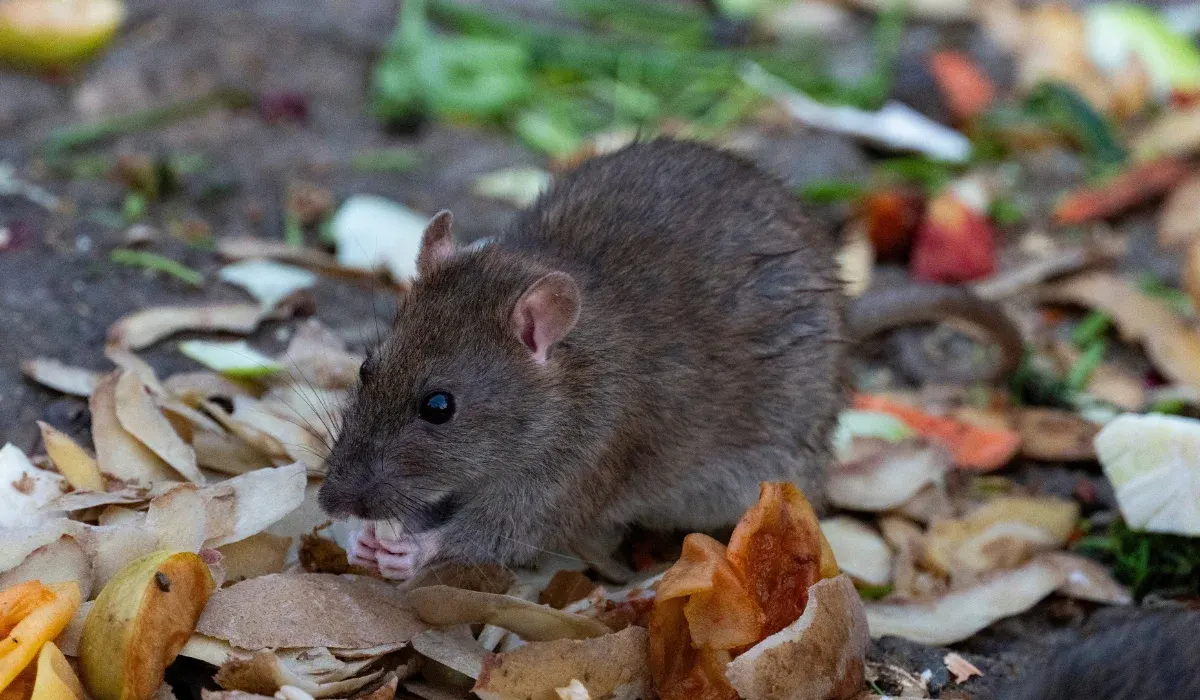
The Norway rat is the bigger, heavier of the two house rats. It has a blunt nose, small ears and a tail shorter than its head and body. Its fur is coarse and brown, with a paler belly.
Norway rats live at ground level. Frisco's guide notes that they burrow under foundations, woodpiles and rubbish and usually stay on the ground floor once they get inside. They can also come in through sewer lines and broken pipes. In DFW, you find their burrows in flower beds and along slab edges, and their trails in garages and storage rooms.
Roof Rats Climb
Roof rats are the lighter build of the pair and darker in color, with a sharp snout, oversized ears and a tail that outgrows the rest of the body. They climb with ease and use fences, branches and cables as highways.
Roof rats nest above the ground. They use dense shrubs, trees and ivy outside, and attics, wall voids, false ceilings and cabinets inside. Older DFW neighborhoods with mature trees that touch the roof give them an easy path, which is why scratching overhead at night usually points to a roof rat.
Native Texas Rats Outside the House
The hispid cotton rat lives statewide in tall grass, old fields, prairie and the grassy edges of roads and railroads. Texas Tech's account of the hispid cotton rat notes that its numbers can explode after several wet years and mild winters, then crash. Cotton rats are a farm and field problem, not a house problem, though new DFW subdivisions next to open fields can see them along the edges.
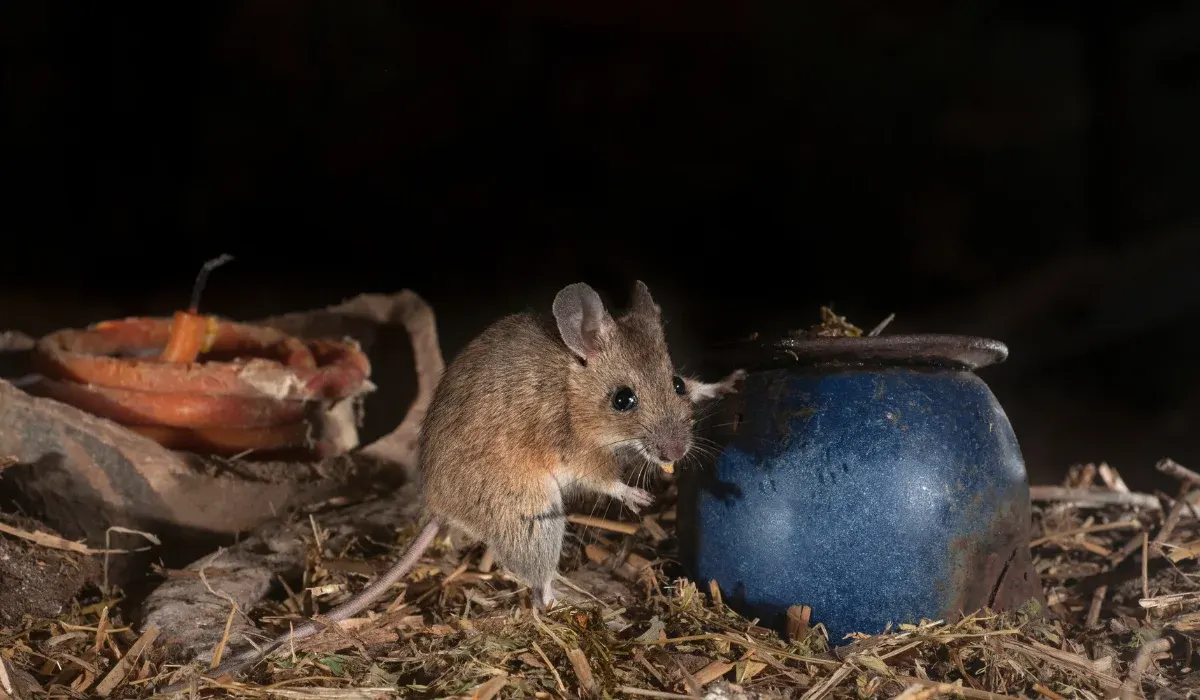
The eastern woodrat is the native "pack rat" of eastern Texas, and its range reaches west past DFW. It has a buff-gray coat, white feet and a tail that is brown above and white below. Woodrats build large nests of sticks, grass and leaves at the base of trees or logs. They seldom come near people, but they will build those nests in barns and outbuildings.
Which Rat Is in Your House?
Where you hear or find signs is the best clue. Noises in the attic or ceiling after dark, droppings on rafters and chewed wiring up high point to roof rats. Burrows outside, droppings along the garage floor and gnawing at the base of doors point to Norway rats.
The good news is that the plan doesn't change much between them. Both rats come in through gaps around HVAC lines, low openings and crawl spaces. Brick weep holes, despite their reputation, are normally too narrow for rats.
Getting Rats Out of a DFW Home
Rats inside a house are a closed group once the openings are shut. Our technicians close those openings first and then set traps where droppings and rub marks show the rats are moving. Most homes go silent within about a week. Bait stations then go outside as ongoing maintenance, which matches Frisco's advice to keep bait outdoors and use it only once no gaps remain.
The interior inspection is free when rodents are the reason you call. You can see how rat control for DFW homes works from sealing to follow-up visits.
Texas Rats FAQ
What is the most common rat in Texas?
In towns and cities, the Norway rat and the roof rat are the rats people deal with. In fields and pastures, the hispid cotton rat is far more common, but it rarely bothers houses.
Does seeing one rat mean an infestation?
Usually it means more. Rats live in groups and breed quickly, and they avoid open spaces, so the one you see is rarely alone. An inspection shows where they are getting in and how many there are.
Are pack rats the same as roof rats?
No. "Pack rat" is the common name for woodrats, native rats that build stick nests in woods and brush. Roof rats are an introduced species that lives around people and nests in attics.
For rats in the attic or garage, see what rat control in Dallas includes and get a price online.