What Are Wasps Good For? Wasp Facts to Know
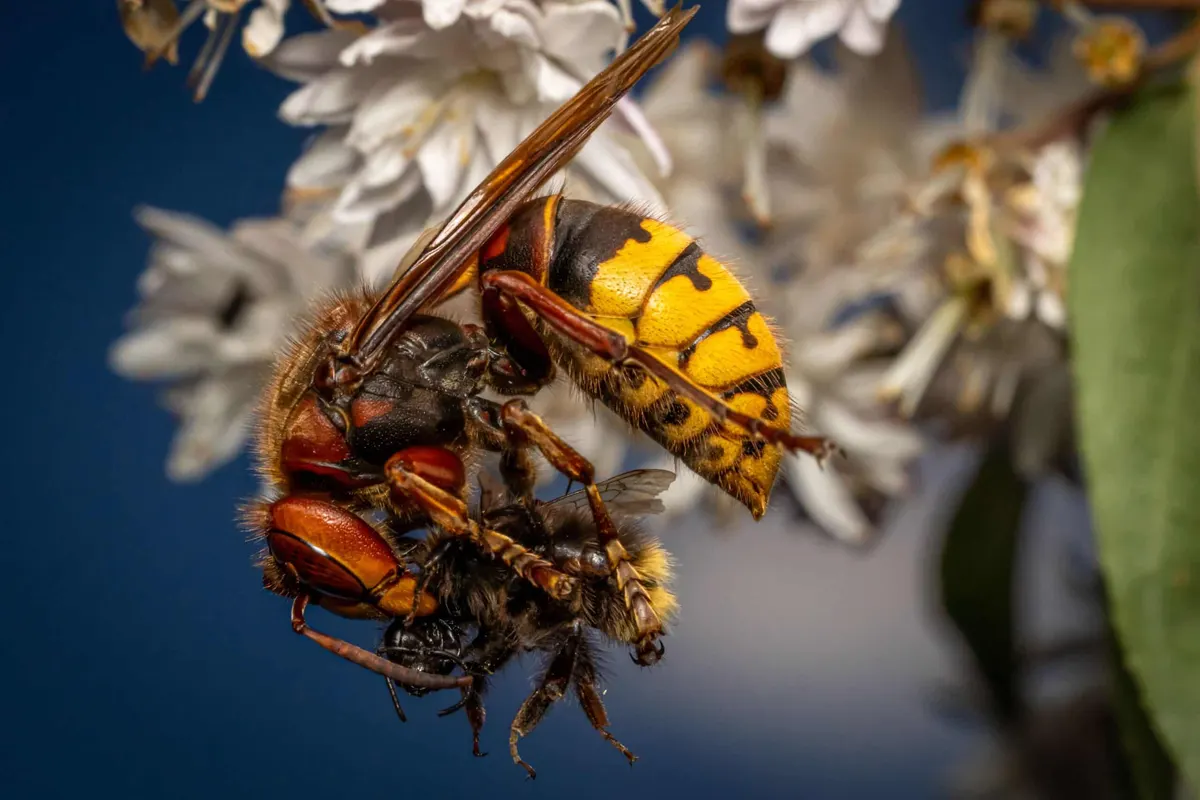
Wasps are good for keeping other insects in check. Paper wasps and yellowjackets hunt caterpillars, flies and beetle larvae to feed their young. Many wasps also pollinate flowers, and growers release tiny parasitic wasps to control specific crop pests. Most wasp species never sting people, but a nest by your front door still needs handling.
On this page
What Are Wasps Good For in the Garden?
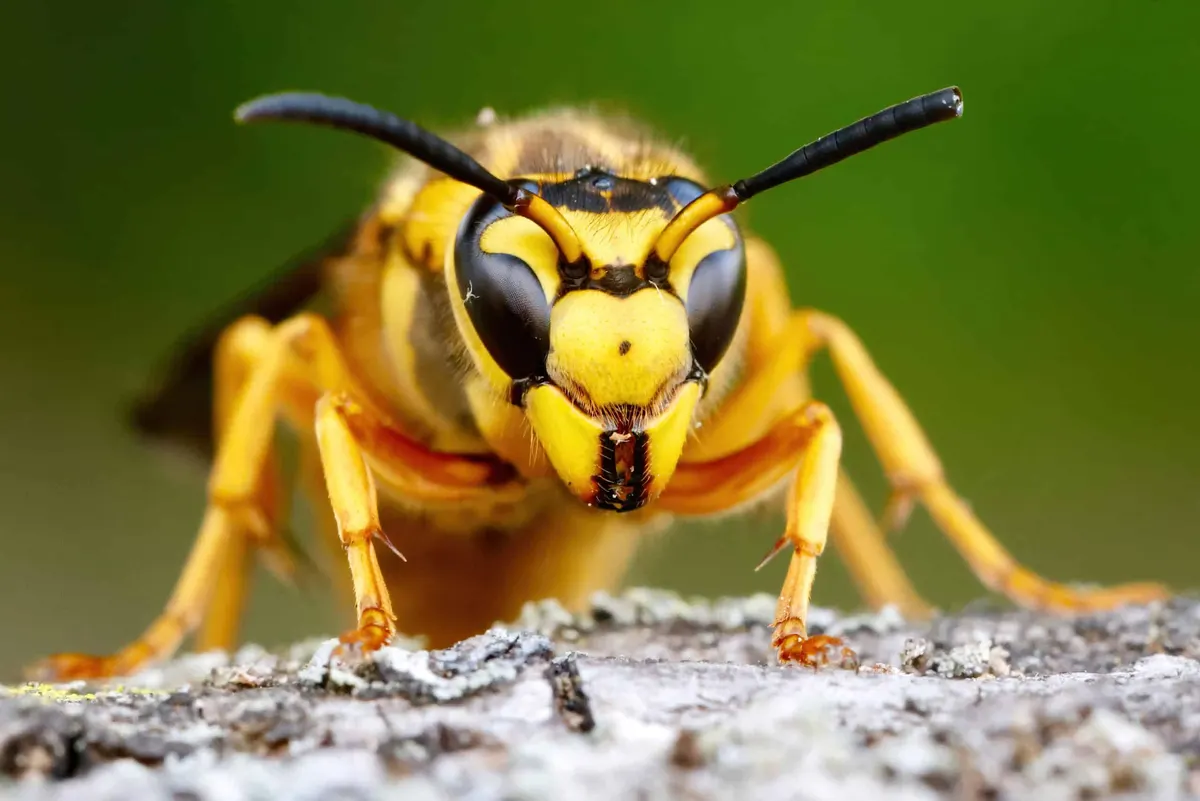
The wasps you see most around DFW homes are hunters. Texas A&M's paper wasp guide notes that paper wasps prey on caterpillars, flies and beetle larvae, which makes them useful in gardens. A red wasp working over your tomato plants is likely hunting caterpillars. Paper wasps chew up their prey and carry it back to the nest for the larvae.
Yellowjackets hunt too. Social wasps remove large numbers of plant-feeding insects and nuisance flies through the season. Their adults live mostly on sugar from nectar and fruit, while the larvae need protein, so every growing colony runs on a steady supply of insects.
Some of the most useful wasps in a garden are almost invisible. If you find a tomato hornworm covered in small white cocoons, leave it alone. Those cocoons belong to Cotesia congregata, a tiny wasp that specializes in hornworms. Its larvae feed inside the caterpillar, chew their way out and spin the cocoons. A parasitized hornworm eats far less, and the wasps that hatch go on to find the next one.
Parasitic Wasps Protect Crops and Trees
Parasitic wasps lay their eggs in or on another insect, and the larvae eat the host, usually from the inside. Many species target a single kind of pest. They are small and solitary, and according to University of Minnesota Extension's guide to wasps in the garden, they do not sting people, and most people never notice them. Greenhouse growers use some of these wasps to control aphids instead of spraying.
Texas has its own success story. A USDA lab in Mission, Texas, began releasing a tiny wasp called Tamarixia radiata against the Asian citrus psyllid, a pest that spreads citrus greening disease. In residential citrus in the Lower Rio Grande Valley, immature psyllids dropped from 43 to 3.8 per new leaf flush over six years of releases. The researchers reported that as a 91% reduction in the journal Southwestern Entomologist.
DFW has a tree pest that the same approach targets elsewhere. The emerald ash borer, a beetle that kills ash trees, is now confirmed in Dallas, Denton and Tarrant counties. Minnesota has released three species of parasitic wasps to slow the beetle's spread.
Wasps Pollinate Flowers Too
Adult wasps drink nectar, and pollen sticks to them as they move from flower to flower. Their bodies are smoother than a bee's, so they pick up less pollen, but wasps still count as real pollinators. A review of about 500 studies found 164 plant species that rely on wasps alone for pollination. Figs are the best-known example. Wild figs depend on tiny fig wasps, and their fruit feeds about 1,000 tropical bird and mammal species. Studies have also found wasps stepping in to pollinate plants when bees are absent.
Wasp Facts Worth Knowing
A few wasp facts help put the stinging ones in perspective. The world has about 103,000 wasp species, and only about 1,000 of them live in colonies. Wasps are the ancestors of bees. Only female wasps can sting, because the stinger is a modified egg-laying tube, and social wasps can sting more than once. The table below compares four kinds of wasps you can find in a DFW yard.
| Wasp | What it does for you | Stings people? | When it is a problem |
|---|---|---|---|
| Paper wasps | Hunt caterpillars, flies and beetle larvae | Yes, to defend the nest | Nest by a door, porch or play set |
| Yellowjackets | Hunt insects and scavenge dead animals | Readily, several times | Ground or wall nests, and late summer at food |
| Cicada killers | Feed cicadas to their young in July and August | Rarely, females only | Rarely, mostly burrows in sandy soil |
| Tiny parasitic wasps | Kill hornworms, aphids and other pests from the inside | No | Never, leave them be |
When a Wasp Nest Is Still a Problem
A wasp's value depends on where it lives. A nest at the back fence or high in a tree can stay where it is, since the wasps will keep hunting pests and rarely bother anyone. A nest beside a door, a gate, a grill or a swing set is a different story. Paper wasps and yellowjackets defend their nests, and they sting when someone walks into that space every day. Remove the nest right away if anyone in the house is allergic to stings.
Timing matters too. Yellowjacket colonies reach full size in late summer and start craving sugar, which brings them to drinks and trash cans. Our wasp and hornet nest treatment takes nests down at any hour, with no waiting for dusk.
Next spring's queens will look over the same eaves, so wasps come back no matter what. That is why we handle them with year-round coverage that keeps up with new nests. Pricing for wasp work is online, or call us any time of day.
Wasp Benefits FAQ
Is it good to get rid of wasps?
Not across the board. Leave nests that sit away from doors, paths and play areas, because those wasps eat garden pests. Remove nests where people walk, eat or play, or where someone with a sting allergy lives.
What would happen if wasps went extinct?
Gardens and farms would lose a major check on caterpillars, aphids and other pests. Figs and the other plants that rely only on wasps for pollination would lose their pollinators too.
What do wasps eat?
Adult wasps mostly eat sugar from nectar and ripe fruit. Their larvae need protein, so the adults hunt insects and spiders for them. Yellowjackets also scavenge dead animals and human food.