How Do You Protect Pets From Wasp Stings in Dallas, TX?
Keep your pets safe from wasp stings in Dallas! Learn the best prevention tips and how Forterra Pest Control protects homes and furry friends alike.
On this page

As pet owners, our furry friends' safety is always a top priority. The warm climate and beautiful outdoor spaces in Dallas, Texas make it an ideal place for pets to explore and enjoy. However, with the pleasant weather comes the presence of wasps, which can threaten our beloved companions. Wasp stings can be painful and, in some cases, even life-threatening for pets. Therefore, it is crucial to take proactive measures to keep them safe.
Understanding the Threat
Before we embark on our journey towards wasp-free outdoor excursions, let's gain a deeper understanding of several wasps species in Dallas.
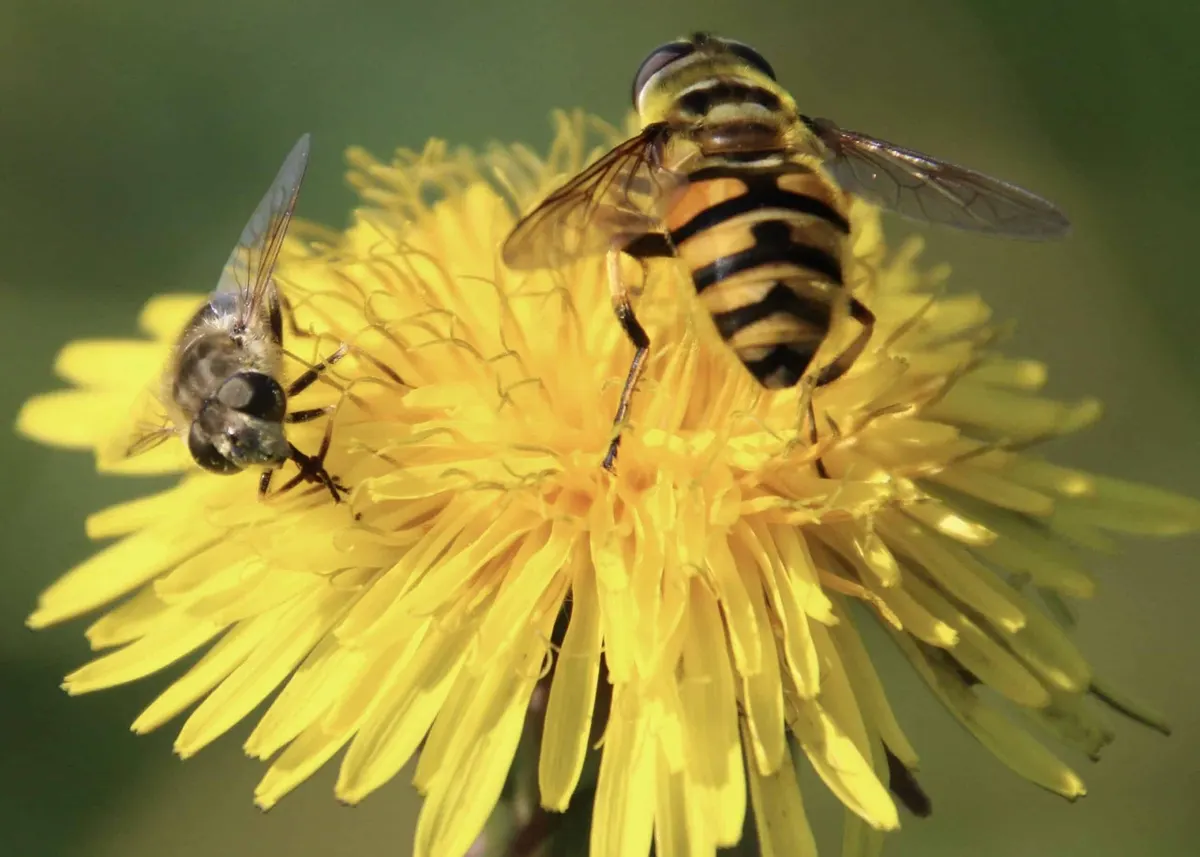
Yellowjackets: These wasps are known for their yellow and black markings and are often found near garbage cans or picnic areas.
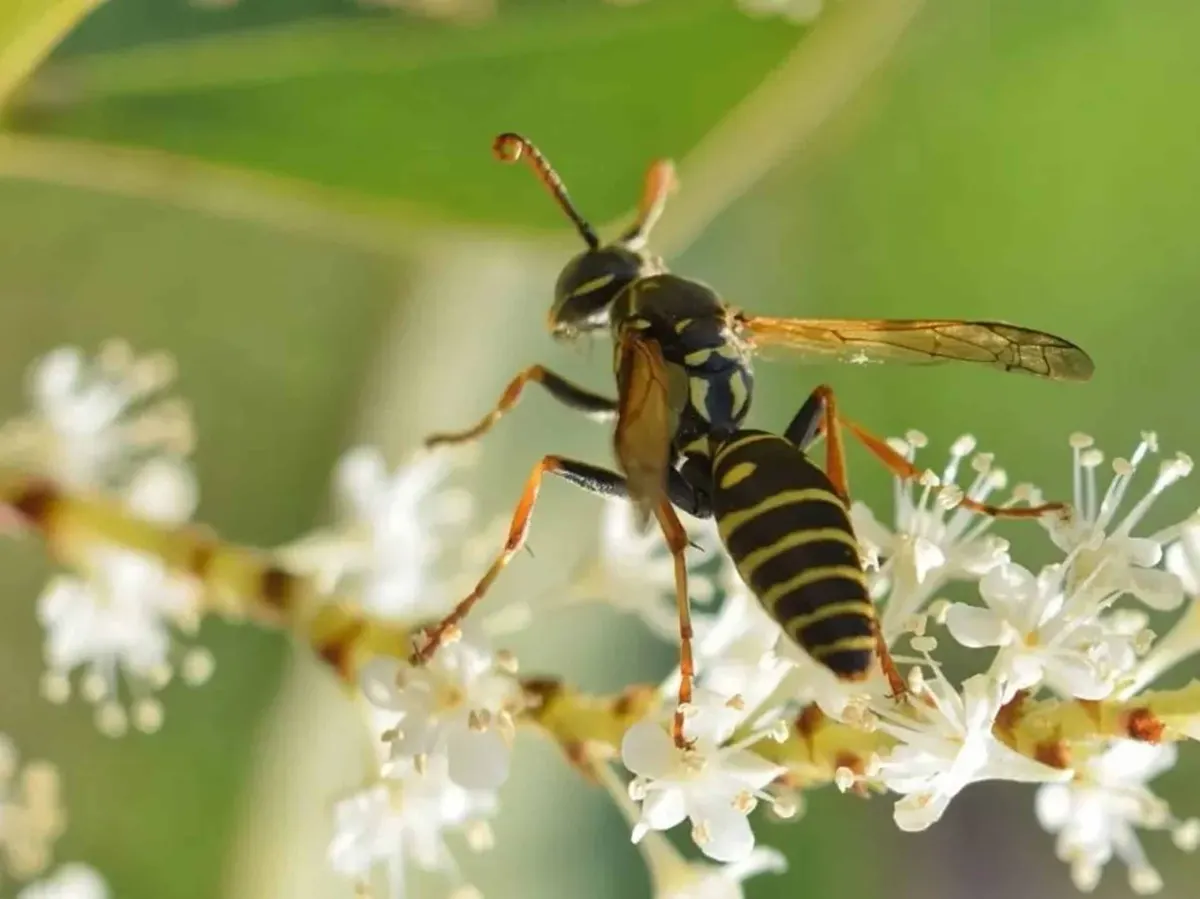
Paper Wasps: T hese wasps build nests made of paper-like material and are typically found in sheltered areas such as eaves or attics.
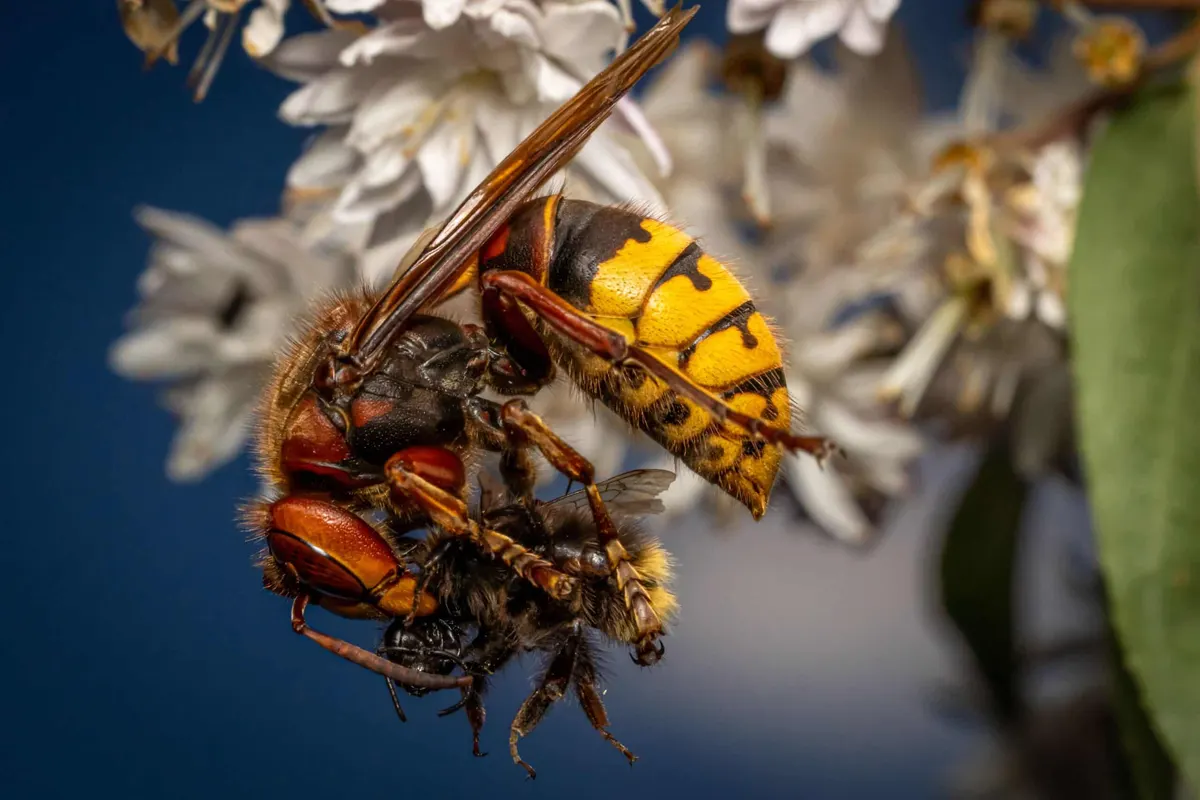
Hornets: Hornets are larger wasps that can be aggressive when their nests are disturbed. They are known for their powerful stings.
Mud Daubers: These wasps build nests out of mud and are typically found in protected areas such as under eaves or in garages. Solitary Wasps: Solitary wasps do not live in colonies and typically do not pose a threat to humans unless provoked.
Why Are Wasps Attracted to Pets?
Sweet smells: Wasps are attracted to the sweet smell of pet food, particularly wet food, and the scent of treats and even pet breath.
Protein: Wasps are attracted to protein sources, including pet waste, dead insects, and even the oils and sweat on your pet's fur.
Open wounds: Wasps are opportunistic feeders and will be attracted to any open wounds or sores on your pet, seeing them as a potential food source.
Sweat: Wasps are attracted to the moisture and electrolytes found in sweat, which they need to survive. This is why they may be particularly attracted to panting or sweating heavily pets.
Urine: Wasps are attracted to the sugars and other nutrients found in urine, which they can use as a source of energy. This is why they may buzz around puddles of urine or other damp areas where pets have been.
Fur: Wasps may mistakenly identify your pet's fur as a potential nesting site, especially if it is thick and matted.
Underneath fur: Wasps may seek shelter from the elements or predators underneath your pet's fur, especially if it is long and dense.
Bright colors: Wasps are attracted to bright colors, so they may be drawn to pets with colorful collars or harnesses.
Fragrances: Wasps are attracted to sweet smells, including the fragrances of shampoos, conditioners, and other pet products.
Movement: Wasps are attracted to movement, which is why they may be more likely to sting a running or playing pet.
Our pets sometimes attract wasps without us knowing why. From smells in pet products to outdoor play, we'll explore what makes our pets interesting to wasps and how to keep them safe.
Food
Water
Nesting sites
Other factors:
How Dangerous Are Wasp Stings to Our Pets?
Like humans, pets can develop allergies to various substances, including insect venom. When a pet is stung by a wasp, it can trigger an allergic reaction. The severity of the reaction can vary from mild to life-threatening. Common symptoms include swelling, pain, redness, itching, and difficulty breathing. In severe cases, anaphylaxis may occur, leading to a rapid decline in the pet's health. Taking preventive steps and learning about effective wasp stings control solutions can greatly reduce the chances of your pets being stung in the first place.
Identifying a Wasp Sting
Pet owners must be able to identify a wasp sting. Look for signs of distress, such as excessive licking or biting at the affected area, whimpering, restlessness, or swelling. If you notice a wasp near your pet or suspect a sting has occurred, it's important to act swiftly.
Immediate Steps to Take
- Severe swelling or difficulty breathing
- Whining and restlessness
- Lethargy or weakness
- Pale gums
- Hives
If your pet has been stung by a wasp, there are several immediate steps you can take to alleviate their discomfort and minimize potential complications:
Remove the stinger: Gently scrape it off with a credit card or fingernail. Do not squeeze it, as this may release more venom.
Clean the area: Use mild soap and water to cleanse the affected area and reduce the risk of infection.
Apply a cold compress: This can help reduce swelling and provide some relief to your pet.
Monitor your pet: Keep a close eye on their behavior and look for any signs of an allergic reaction.
When to Seek Veterinary Care: While most mild reactions can be managed at home, it is crucial to seek veterinary care if your pet displays any of the following symptoms:
Best Ways to Keep Pets Safe from Wasp Stings in Dallas
Through meticulous planning and environmental modification, we can create a safer space for our pets to explore:
Minimize Outdoor Exposure: During peak wasp season, typically late summer and fall, limit your pet's outdoor playtime. Favor indoor activities or schedule walks during cooler hours when wasp activity is significantly lower.
Identify and Avoid Wasp Hotspots: Steer clear from areas frequented by these insects, such as gardens, trash cans, and areas with flowering plants, minimizing the likelihood of encounters.
Seal Potential Nesting Sites: Inspect the perimeter of your property for cracks or holes around windows, doors, and eaves. Seal them up with caulk or sealant to discourage wasps from building nests.
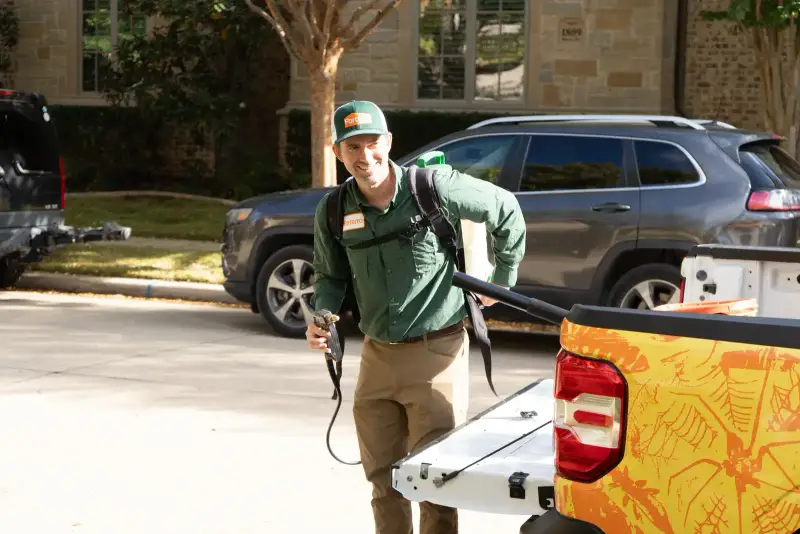
Eliminate Existing Wasp Nests: If you discover a wasp nest, seek professional assistance from a licensed pest control in Dallas that is expert in wasp nest removal service. Never attempt nest removal yourself, as it can provoke a swarm attack.
Implement Wasp Traps: strategically place commercially available wasp traps around your property to lure and capture these stinging insects. If the problem persists or the nest becomes difficult to manage, consider contacting a stinging insect removal professionals to ensure safe and thorough elimination.
Equipping Your Pet for Safety: Beyond environmental modifications, proactive measures on your pet can further enhance their protection: Maintain a Short Fur Coat: Regularly trimming your pet's fur makes it easier to spot and remove any stingers that might lodge in their fur. Embrace Pet-Friendly Insect Repellents: These repellents can create a protective barrier on your pet's fur, discouraging wasps from landing on them. Consider Muzzles or Neck Cones: Depending on your pet's breed and personality, using a muzzle or neck cone can prevent them from accidentally ingesting a wasp or getting stung on the face.
By implementing these comprehensive preventive measures and acting swiftly in case of a sting, you can ensure your furry friend enjoys the outdoors without fear of pesky wasps. Remember, a proactive approach and a keen understanding of the threat go a long way in safeguarding the well-being of your beloved companion. So, arm yourself with knowledge, take action, and let your furry friend explore the beauty of Dallas without worry.