How To Prevent Rat Infestations In Fort Worth, TX Homes
Learn how to prevent rat infestations in Fort Worth, TX, with clear home tips, local risk factors, and signs it’s time to call a professional.
On this page
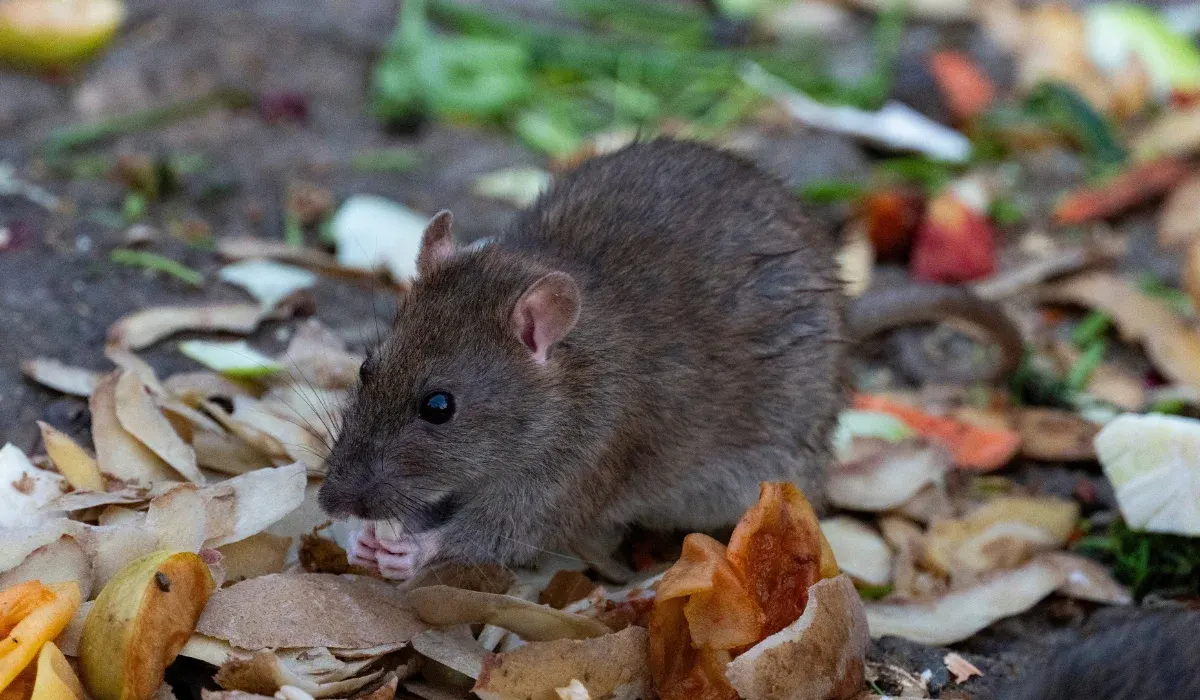
Rats are a common problem in Fort Worth. When builders put up new homes next to older houses, rats move closer to people. A small gap by the foundation, roof, or garage can let rats inside. Many homeowners first hear scratching at night or find droppings near stored boxes. By then, a hidden rodent problem may have been building for weeks.
If you want to prevent rat infestations in Fort Worth, TX, you need to know why rats pick homes here. North Texas weather plays a big role. Hot summers, sudden rain, and mild winters drive rats to seek shelter indoors. Once rats find food and water, they often stay and build nests.
This guide explains why rats enter Fort Worth homes, what draws them in, and how to address issues early. You will also learn which DIY steps work and which do not, and when professional rodent control or pest control in Fort Worth, TX , is a safer choice.
Key Takeaways:
- Rats get into Fort Worth homes through small gaps near foundations, roof edges, vents, and utility lines.
- Easy food, easy water, and cluttered crawl spaces raise the risk of a rodent infestation.
- Sealing gaps and addressing moisture issues are the most effective preventive measures.
- Ongoing rodent control helps prevent recurring issues in the Dallas–Fort Worth area, with wildlife exclusion added when needed.
Video: How to Identify What Type of Rat You Have
This video helps you identify the most common rats in Fort Worth homes, such as Norway and roof rats. It shows their size and habits so you can better guess which one you have.
Why Do Rats Infest Homes In Fort Worth, TX?
Rats infest homes in Fort Worth, TX, because the area provides everything they need to survive. Food, water, and shelter are readily available in residential neighborhoods. The local climate allows rats to remain active year-round. Unlike colder regions, winter temperatures here rarely stop rodent activity.
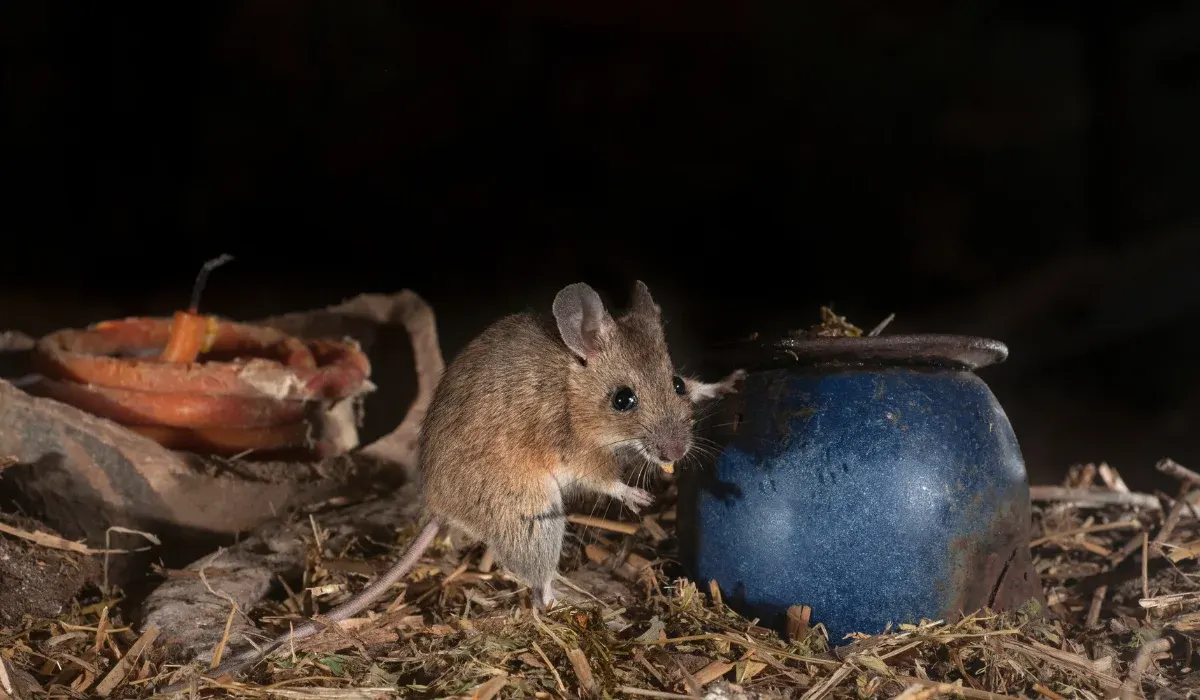
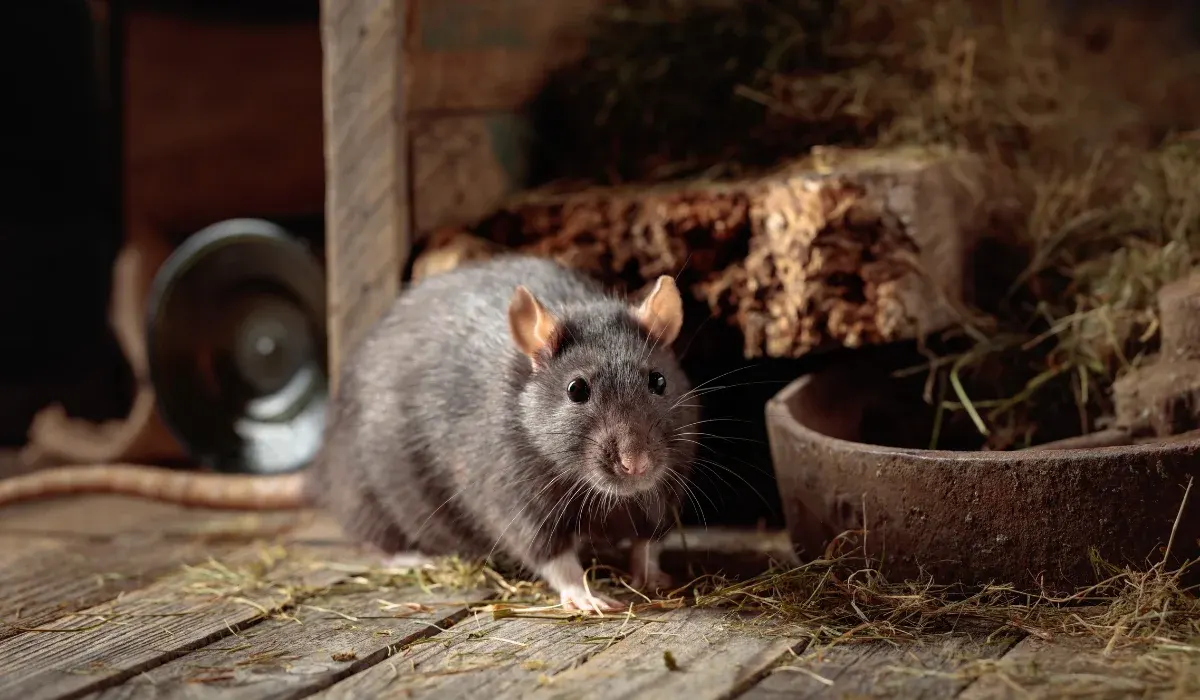
Two common species cause most problems in North Texas: Norway rats and roof rats.
Knowing how large rats can get helps explain why even small openings can cause serious damage. Adult rats can squeeze through tight gaps but can still chew through drywall, insulation, and wiring once inside.
Norway rats usually stay near the ground. They burrow by foundations and often enter through garages. Roof rats like higher places. They frequently get in through roof edges, attics, and tree branches that reach the house. Both types use small gaps in the house.
Many Fort Worth homes have crawl spaces, older foundations, or older rooflines. Over time, these areas can crack or lose their seals. Gaps around pipes, vents, and utility lines often become entry points. Basements are rare in Texas. Garages and storage rooms often become nesting spots.
Everyday habits can attract rats. Trash left out overnight, pet food kept in the garage, and bird feeders near the house provide easy access to food for rats. Once rats build a nest, they can multiply fast. Over time, rats can damage your home. They may chew through drywall and wiring, creating health hazards for people and pets.
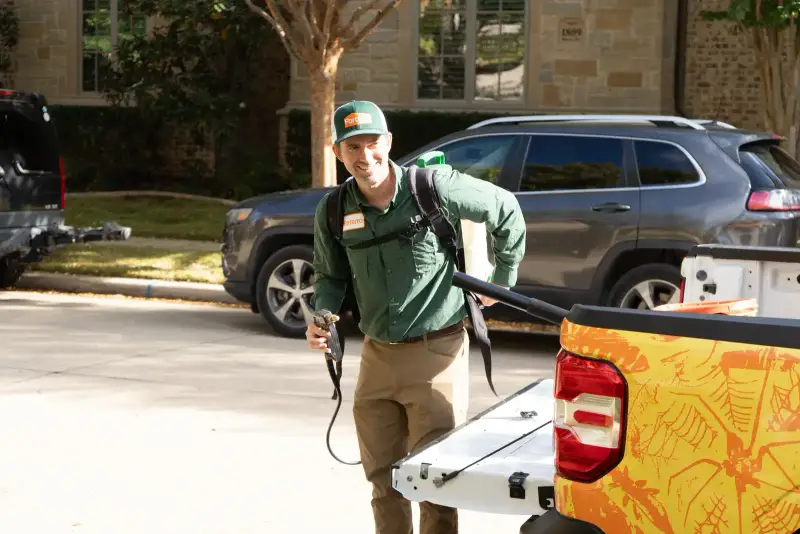
If rats move in, a professional rodent control service can remove them faster and help stop repeat problems. At Forterra Pest Control, we offer inspections and rodent control for Fort Worth homes to identify entry points and address the root cause.
What Attracts Rats To Homes In Fort Worth, TX?
To prevent rat infestations in Fort Worth, TX, learn what attracts rats to your house.
Food is the biggest reason rats show up. Even a few crumbs in the garage or pantry can attract them. Open trash cans, open compost bins, and fallen fruit give rats an easy meal.
Water matters, too. Rats need water every day. Leaky outdoor faucets, AC drain lines, sprinklers, and poor drainage near the foundation create water sources that rats rely on to survive. During dry weeks in North Texas, these water spots attract even more rats.
Shelter is the third piece. Cluttered crawl spaces, tall weeds, stacked firewood, and thick shrubs give rats a safe place to nest. Roof rats may use tree branches or fences to reach your roof. Norway rats stay near the ground and burrow under foundations. Both can fit through tiny gaps.
Your neighborhood can raise the risk, too. Construction, shared fences, and empty nearby homes can push rats to move around. If you continue to see signs of rats, we can provide a free inspection to identify what is attracting them and recommend next steps.
How Do You Prevent Rat Infestations In Fort Worth, TX? (Step-By-Step)
To prevent rat infestations in your Fort Worth, TX home, follow the steps below. If you fix only one problem, the rats may return. Each step lowers your risk.
Step 1: Seal Entry Points
Sealing entry points is the top step for rat prevention. Rats can squeeze through a hole about the size of a quarter. Check foundation cracks, roof edges, vents, garage doors, and spots where pipes or cables enter.
Loose siding, torn screens, and worn weatherstripping make it easier for rats to enter. Roof rats often enter through attic vents or where tree branches touch the house. A careful check helps you find hidden holes before rats use them.
For longer-lasting results, our rat control service can seal entry points and help prevent new rats from entering.
Step 2: Reduce Moisture Indoors And Outdoors
Rats need water to live, so moisture control is important. Fix leaky pipes, dripping faucets, and broken sprinkler lines. Clean gutters and downspouts to make sure water flows away from the foundation rather than pooling.
Keep crawl spaces dry and well ventilated. Standing water or damp soil makes it easier for rats to nest. Wet areas can also attract termites, and both pests often appear in the same damp spots in Texas homes.
During an inspection, our team can identify moisture issues and recommend a treatment plan to reduce rat activity.
Step 3: Improve Food And Waste Management
Food control matters a lot for rodent prevention. Keep pantry food and pet food in sealed containers. Do not leave food out overnight, especially in the garage or laundry room.
Use trash cans with tight-fitting lids. Place them away from doors and garage openings when possible. Regular cleaning reduces food odors that can attract rats from nearby homes. These small habits can lower your risk fast.
Step 4: Maintain Landscaping
Your yard can help prevent rats or invite them onto your Fort Worth property. Trim tree branches so they do not touch the roof or hang over it. Trim shrubs away from walls and pick up yard debris that rats can use for nests.
Store firewood off the ground and away from the house. These steps are essential in older Fort Worth neighborhoods, where roof rats often travel through trees and under fences.
We can help with rodent control and exclusion to reduce hiding places around your home.
Step 5: Use Preventive Treatments When Needed
Some repellents, snap traps, and bait-free monitoring stations can help when you catch the problem early. But they rarely fix a serious rat problem. DIY steps are most effective before rats build nests in walls, attics, or crawl spaces.
Professional plans are part of a broader pest management approach that removes active rats and helps block new ones. These plans can be safer for families and reduce the risk of rats returning.
What DIY Methods Help Prevent Rats In Fort Worth, TX?
DIY methods can help when you start early. Seal small gaps with hardware cloth. Clean up food messes. Put basic traps in the garage to catch early activity. Regular cleaning helps remove droppings and feces, which lowers health risks.
Some homeowners try natural rat repellents such as eucalyptus oil , but results vary. DIY methods cannot reach hidden nesting materials inside walls, insulation, or crawl spaces. They also do not address structural entry points.
If the signs worsen or keep recurring, call an experienced exterminator who knows Fort Worth homes.
How Does The Fort Worth, TX Climate Affect Rat Prevention?
The Fort Worth climate strongly affects rat behavior. Hot summers push rodents indoors for cooler shelter. Heavy rain and mild winters increase indoor movement, creating risks similar to those homeowners face across the area.
Focus on prevention year-round. Spring and fall are great times to inspect your home and seal gaps.
In busy areas, rats can spread more quickly because homes sit close together. In suburban areas, nearby yards and fields can bring wildlife closer to homes.
When Should You Call A Professional For Rat Prevention In Fort Worth, TX?
Call a professional when droppings keep appearing, scurrying noises continue, or DIY steps fail. Rats pose health risks and can damage drywall, wiring, and insulation over time.
A thorough inspection can find hidden nests and the gaps rats use to enter. Professional service from trained rodent exterminators often includes follow-up visits and monitoring that most DIY plans do not have.
At Forterra Pest Control, we offer free inspections, clear pricing, and phone or text support for Fort Worth homeowners. Same-day service may be available.
Making The Right Rat Prevention Plan For Your Fort Worth, TX Home
Rats often enter homes quietly, which is why early action and follow-through are critical. A clear plan helps you stay ahead of minor warning signs before they turn into costly repairs or ongoing problems. When homeowners handle preventive maintenance correctly, homes remain safer and easier to maintain over time.
At Forterra Pest Control , we serve homeowners across Fort Worth, Dallas, and North Texas with local expertise and proven rodent solutions tailored to this region.
Contact us today to schedule a free inspection and take the next step toward keeping rats out of your home.
FAQs
What Is The Most Important Step To Prevent Rats In Fort Worth, TX?
Sealing entry points is the most important step for Fort Worth homeowners. Rats enter through tiny gaps near foundations, roofs, and vents. A professional inspection helps find hidden access points common in North Texas homes.
Are DIY Rat Prevention Methods Effective In Fort Worth, TX?
DIY methods help prevent infestations early, but they often fail once an infestation starts. In the Fort Worth area, professional rodent control services address hidden nests and long-term risks more effectively.
Does Weather Affect Rat Activity In Fort Worth, TX?
Yes. Heat, rain, and mild winters keep rats active year-round in Fort Worth. Seasonal inspections and rodent control help homeowners stay ahead of changing weather conditions in the DFW region.