Do Rats Hibernate in Texas Winters?
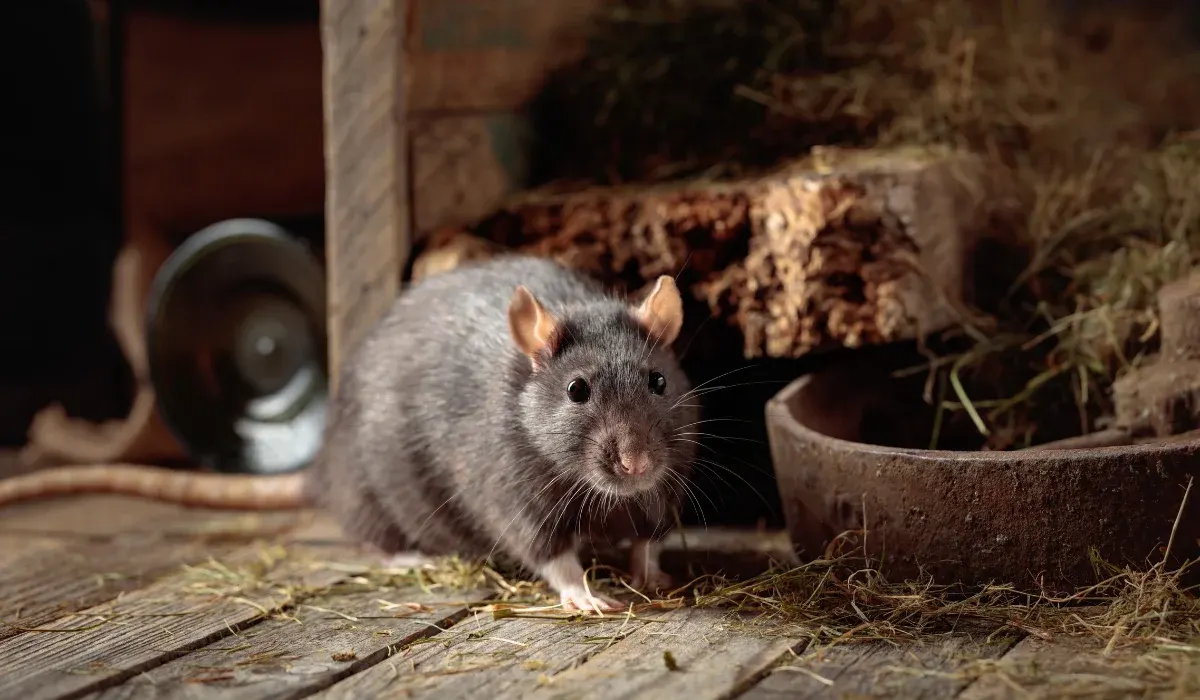
No, rats don't hibernate. Norway rats and roof rats stay active all winter, and in Texas they keep breeding right through it. Cold weather changes where they live, not whether they're awake. When a cold front moves through DFW, rats that spent the fall outdoors move into attics, garages and wall voids that stay warm.
On this page
Why Rats Don't Hibernate
Hibernation is a deep, months-long shutdown that some animals use to survive winters with no food. Rats never need it. They live alongside people, where food, water and warm shelter last all year, so they simply keep going. UC IPM's rat guide points out that rats are active throughout the year, which is why it advises checking for signs in every season.
Rats prepare for cold in other ways. Roof rats stash food in small caches around their territory, and both species shift to the warmest shelter they can find. A rat in a December attic is just as busy as one in a May yard, only closer to the heat coming off your ceiling.
What Rats Do When It Gets Cold
Each species heads for its own kind of shelter. Roof rats climb, so they move up into attics, rafters and the spaces above ceilings. Norway rats stay low and dig, so they settle into burrows under slabs, sidewalks, sheds and stacked lumber, or into the back corners of a garage.
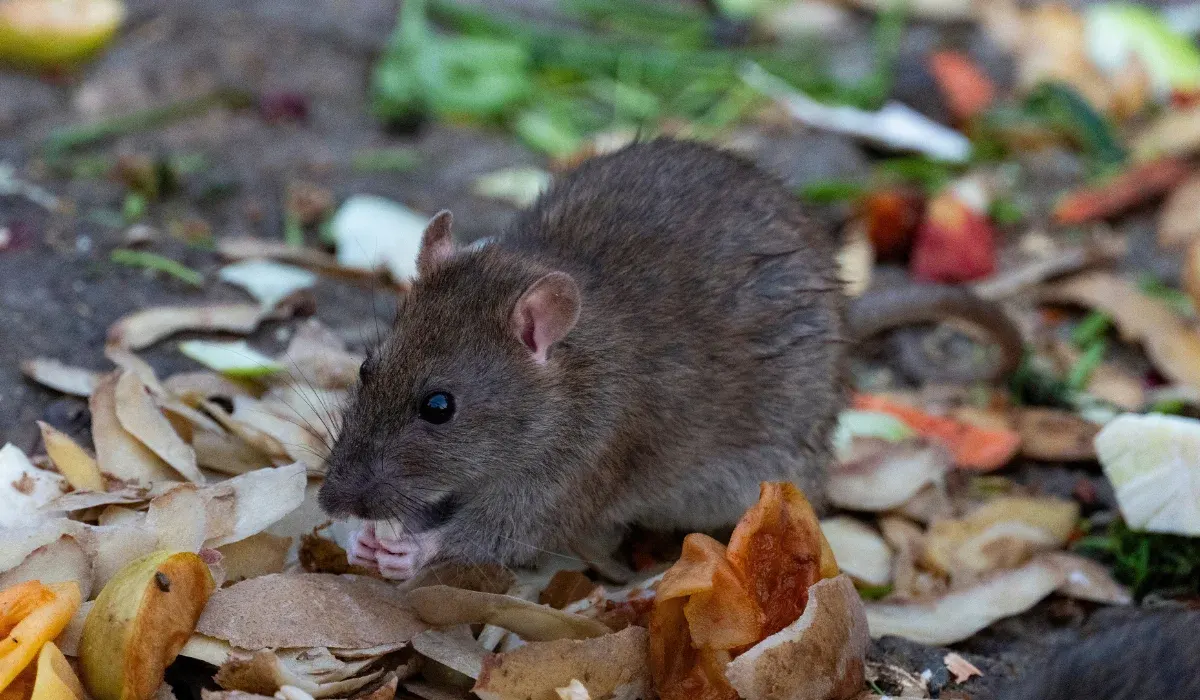
They also forage closer to home. In winter, rats tend to stay near a steady food source rather than crossing the yard at night. A bag of birdseed in the garage, pet food left out or fallen pecans under a tree will do. That's why winter is when many homeowners first hear scratching overhead.
How Rats Breed Through the Texas Year
Rats never take a breeding break in Texas, but their pace changes with the season. This table uses the species accounts in Texas Tech's Mammals of Texas to show what each season looks like.
| Months | Roof rats | Norway rats | What homeowners notice |
|---|---|---|---|
| December to January | Breeding continues indoors | Breeding slows but doesn't stop | Scratching in attics and walls |
| February to March | First breeding peak of the year | Steady breeding | Droppings in attics and garages |
| April to June | Second peak in May and June | Steady breeding | Young rats moving out to new spots |
| July and August | Least active stretch of the year | Steady breeding | Fewer sightings, more activity at night |
| September to November | Activity picks back up | Breeding slows into winter | Rats moving toward houses as nights cool |
| Pest | Jan | Feb | Mar | Apr | May | Jun | Jul | Aug | Sep | Oct | Nov | Dec |
|---|---|---|---|---|---|---|---|---|---|---|---|---|
 Roof rats | high activity | peak | peak | high activity | peak | peak | some activity | some activity | high activity | high activity | high activity | high activity |
| Norway rats | some activity | high activity | high activity | high activity | high activity | high activity | high activity | high activity | high activity | high activity | some activity | some activity |
From the Mammals of Texas species accounts. Neither rat stops breeding in winter.
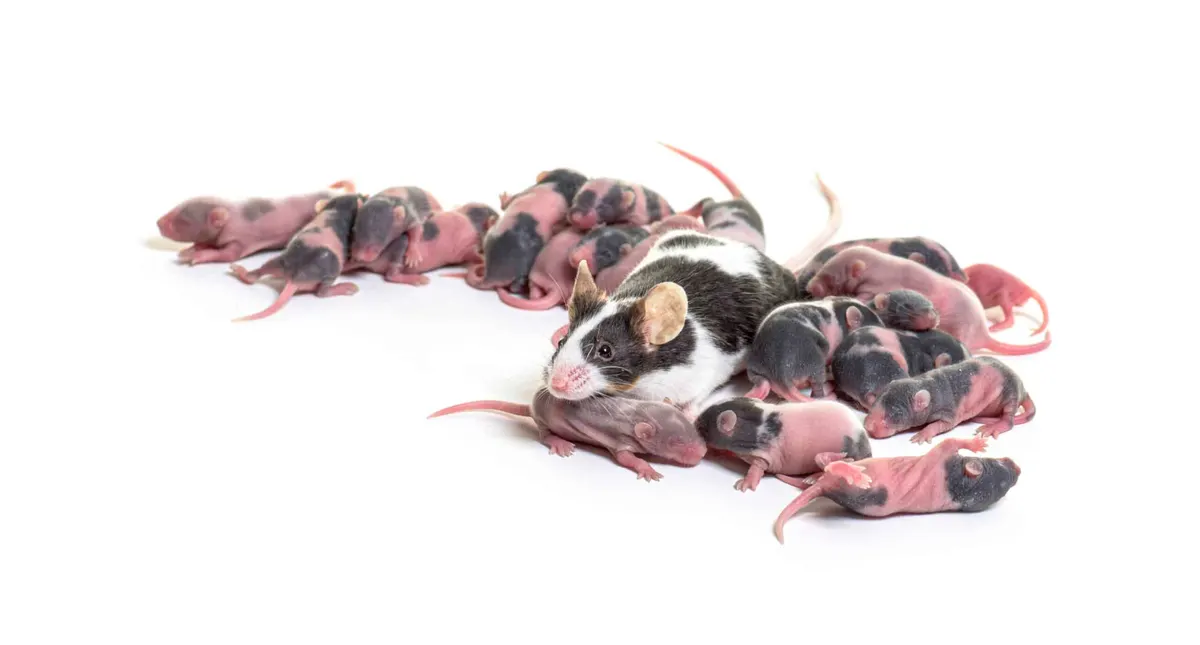
The numbers add up fast. Mammals of Texas puts a Norway rat's pregnancy at 21 to 23 days, with litters of 7 or 8 young on average. Roof rats can breed at about three months old. A pair that moves into an attic in November can have a family by Valentine's Day.
Rats Around Grapevine in Winter
Grapevine has the mix of features that keeps rats comfortable through a mild DFW winter. Older homes near the historic downtown often have more gaps around rooflines and crawl spaces, while newer neighborhoods sit next to the creeks, greenbelts and wooded edges around Lake Grapevine.
Roof rats use that tree cover to travel. UC IPM notes that they routinely move 300 feet or more for food, following fences, branches and utility lines. A rat living in a greenbelt can reach your roof without ever touching the ground.
DFW winters rarely get cold enough, for long enough, to thin out rat numbers. Most years bring a few hard freezes between long mild stretches, so outdoor rats move in for the cold snaps and keep breeding.
Getting Ahead of Winter Rats
Fall is the time to act, before the first strong cold front. A Texas A&M AgriLife pest management specialist in Dallas advises filling any opening larger than a quarter inch. She also recommends cleaning up food and water spills and storing pet food in plastic bins. Trim branches back from the roof, and keep birdseed and dog food in sealed containers in the garage.
If you're already hearing rats, the attic is where to start. Homes near our Southlake office can book rat control in Southlake, which starts in the attic and works down to the gaps rats use. Grapevine homes get the same service through pest control in Grapevine.
Rats in Winter FAQ
Do mice hibernate?
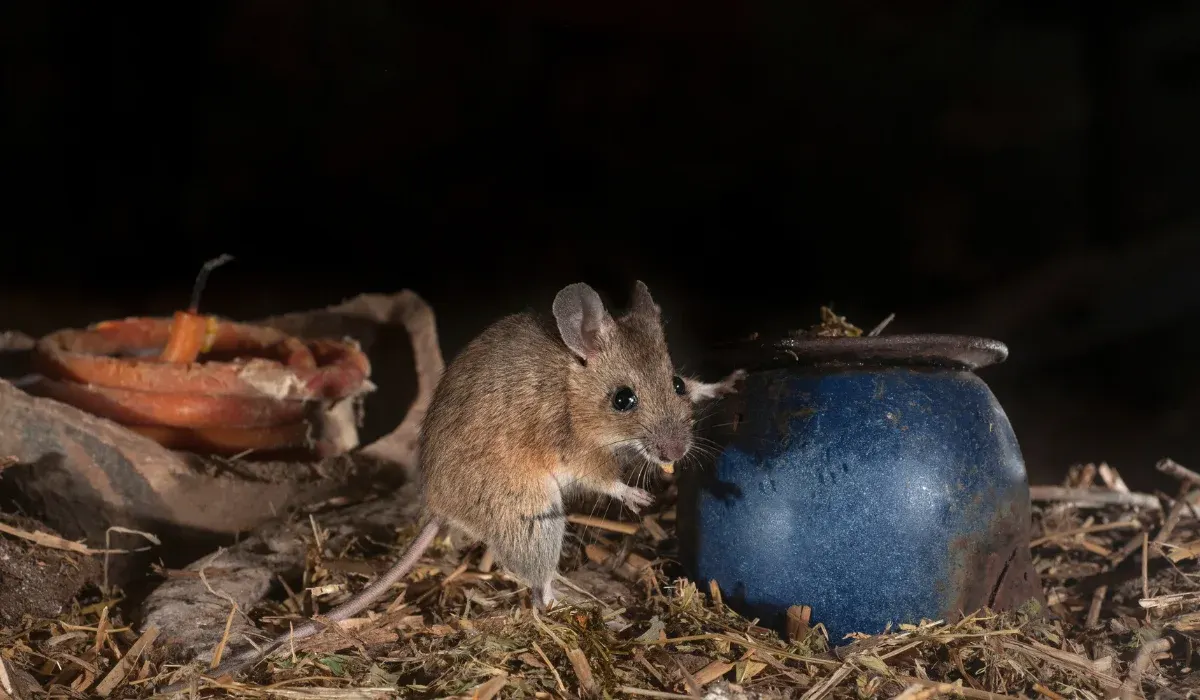
No. House mice keep going all winter too, and they slip indoors once the nights turn chilly. They also fit through much smaller gaps, so a house that keeps rats out can still let mice in.
Do rats go away in the winter?
They don't go away. They move closer, often into the same house where you've noticed them. Winter is usually when outdoor rats become indoor rats.
Can rats survive a Texas freeze?
Yes, as long as they have shelter. A few nights below freezing won't hurt a rat that's living in an attic, a wall void or a burrow under the slab. A long, hard freeze is more likely to push outdoor rats inside than to kill them.
Scratching overhead in winter usually means rats have moved into the attic. Price a visit by phone or online, and a technician will find how the rats get in.