What to Do If Your Neighbor Has Termites
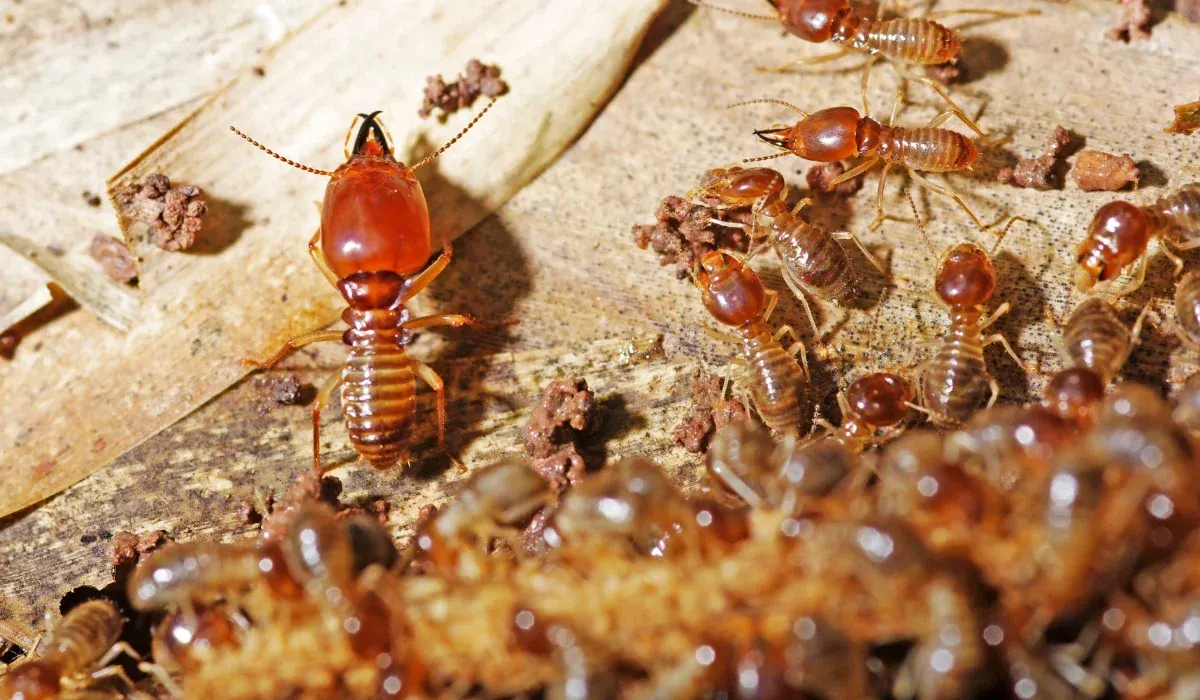
If your neighbor has termites, check your own house rather than panic. Look for mud tubes along your slab, fix any moisture near the foundation and get a termite inspection. A large colony can forage across an area the size of a football field, so termites under one yard can easily reach the house next door.
On this page
Can Termites Spread From House to House?
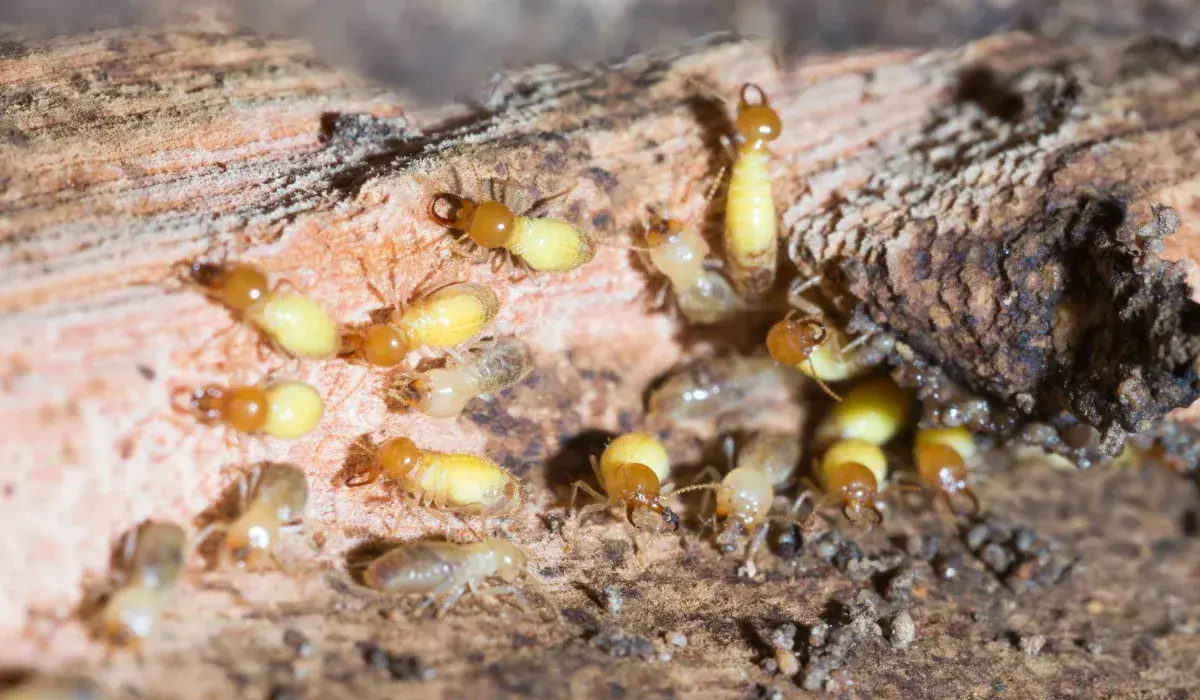
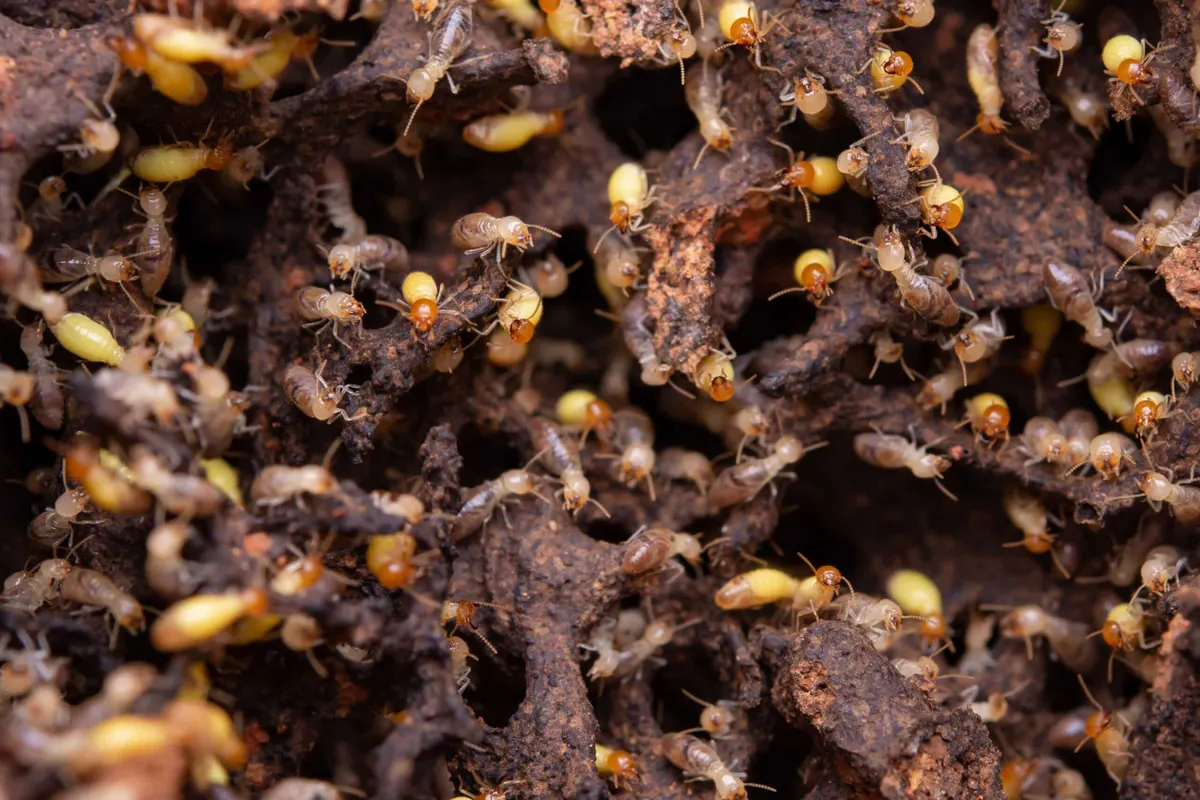
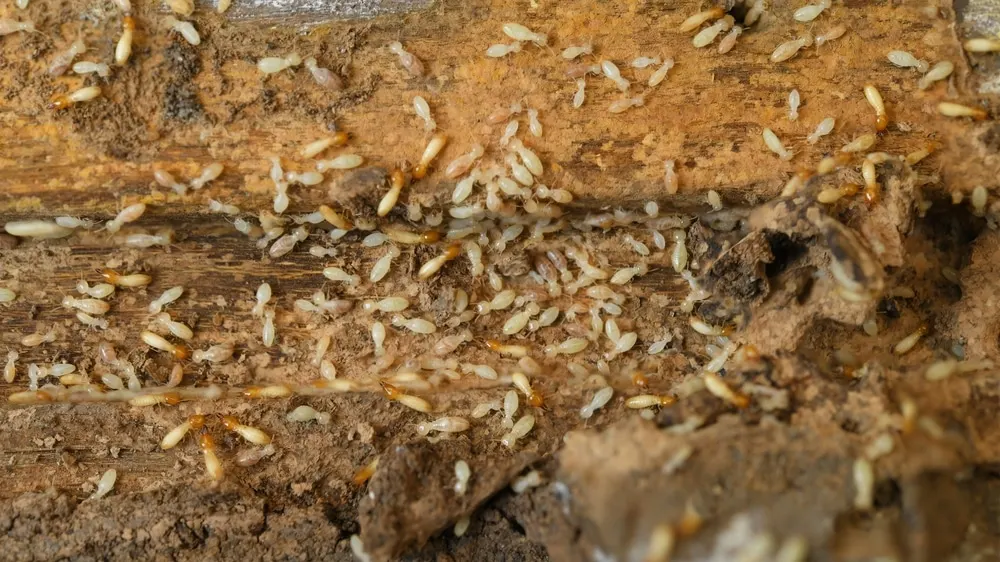
Yes, because the colony lives in the soil, not in the house. A subterranean termite colony spreads out through a network of underground tunnels, with several feeding sites linked together. The University of Arkansas termite biology guide notes that large colonies may forage over an area the size of a football field.
That's bigger than most DFW lots. A single colony can feed under two or three yards at once, and property lines mean nothing to it. Ohio State Extension adds that these colonies aren't territorial and shift toward wherever food is easiest to reach.
Your neighbor's termites don't walk across the lawn to your house, though. They tunnel through the soil and build mud tubes up the first slab edge, fence post or wood step they find. That's why the slab edge is the first place to look.
Your Risk Depends on the Situation
Hearing that a neighbor has termites means different things in different cases. This table sorts the common ones and what each calls for.
| Your situation | What it means for your house | What to do |
|---|---|---|
| Neighbor found termites in a fence or woodpile | Termites are active in the soil nearby | Check your slab edge and any wood touching soil |
| Neighbor's house had a spring swarm | A mature colony lives close by | Watch your windowsills for wings next spring |
| You share a wood fence | Workers can travel along the fence line | Look for mud tubes where the fence meets your house |
| You live in an attached townhome or duplex | A shared slab or wall can give one colony both units | Get an inspection, even with no signs on your side |
| Neighbor just had their house treated | Some treatments turn termites away instead of killing them | Keep the area along your foundation dry and clear |
Most DFW yards already have termites. Texas A&M's termite control FAQ notes that in Texas, termites live in the soil wherever there's wood, especially in older, established neighborhoods. A neighbor's infestation mostly confirms what's already likely true.
What to Check Around Your Own House
Start at the ground and work up. Walk the full foundation and look for pencil-wide mud tubes climbing the slab, especially at corners, porch steps and where pipes enter. Check the side of the house that faces your neighbor's yard first.
Next, look for things that give termites an easy start. Move firewood and lumber off the ground, pull mulch below the top of the slab and fix leaking hose bibs or AC lines that keep the soil wet. Wood fence posts or steps set right in the soil are worth a close look too.
Inside, check baseboards and door frames along the floor, and look at windowsills for loose wings in spring. Bubbling paint or a soft spot in the trim near the floor can mean termites have reached the wood.
Protecting Your House When Termites Are Next Door
Prevention steps lower the odds, but they don't stop a colony that's already foraging under the property line. A termite inspection for your home tells you whether termites are already in the structure or just nearby.
If your house needs protection, Sentricon bait stations go in the soil around the foundation, and the workers that find it share the bait with the rest of the colony. Homes near our Dallas office can set this up through termite control in Dallas. A technician checks the stations once a year and adds bait only when termites show up.
Neighbor Termites FAQ
Should I tell my neighbor if I find termites?
It helps both of you. A colony that feeds under two yards is easier to deal with when both homes know about it, and your neighbor may want to check their own foundation.
Does homeowners insurance cover termite damage?
Usually not. Most homeowners policies treat termite damage as a maintenance problem rather than sudden damage, so the repair cost falls on the owner. That's one reason a termite warranty that covers damage is worth asking about.
Will my neighbor's termite treatment push termites to my house?
Texas A&M notes that repellent termiticides turn termites away rather than killing them, so some foragers may look for wood nearby. They won't flee in a swarm, though. The bigger factor is whether your own foundation has moisture, wood touching soil or gaps that give a colony an easy way in.
If termites turned up next door, request a quote through our site or by phone, and we'll inspect your side of the property line.