How to Keep Mice Out of Your Car
To keep mice out of your car, take away the shelter and food that draw them in. Park in a closed garage when you can, keep crumbs, pet food and birdseed out of the car, and drive it often. Then guard open intakes so mice can't crawl in, wrap exposed wiring in rodent tape and set snap traps by the tires.
On this page
Why Mice Get Into Cars
A parked car gives a mouse everything it wants in one spot. The engine bay is dark, sheltered and warm after a drive, and the cabin holds crumbs, napkins and seat foam for a nest. Mice also have to gnaw constantly, because their front teeth never stop growing, and wires and hoses are right there.
A car that sits is the easiest target. A Rutgers researcher told Consumer Reports that the longer a car stays parked, the more likely rodents are to move in. In DFW, the first cold fronts of October and November send mice looking for warm cover. Cars parked near a greenbelt, a creek or an open field draw field mice as well as house mice.
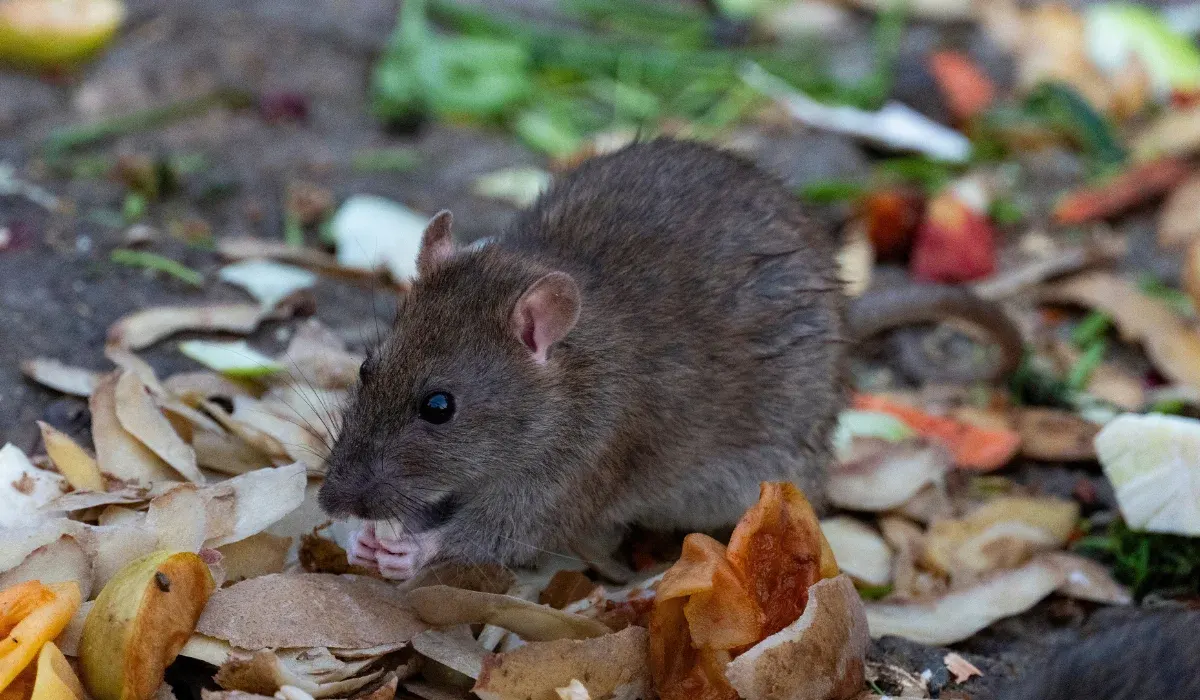
Rats chew cars too, with bigger teeth and bigger repair bills. If roof rats or Norway rats are the ones under your hood, our rat control for DFW homes starts with the house and garage they're living in. Homes near our Dallas office can book rodent control in Dallas, which covers mice and rats alike.
Does Soy Wiring Attract Rodents?
Many articles blame soy-based wire coatings for rodent damage, but the evidence doesn't back that up. A lab study in an American Chemical Society journal found that adding soybean oil to common rubbers and plastics didn't change how much mice gnawed them. The soybean industry paid for that research, but courts also dismissed the class-action lawsuits that blamed soy wiring.
Mice chew older cars with standard wiring too. Mice gnaw wires because the wires sit in a warm, hidden spot and their teeth need the wear. That means the fix is the same for every make and model.
Where Mice Nest in a Car
Mice pick tight, dark spaces close to warmth or food. This table lists the five spots to check first and what to do about each one.
| Spot in the car | What you'll find | What to do |
|---|---|---|
| Engine air filter box | Nest material or seeds on the filter | Clean it out and fit a new filter |
| Cabin air intake below the windshield | A musty or urine smell when the fan runs | Replace the cabin filter and screen the intake |
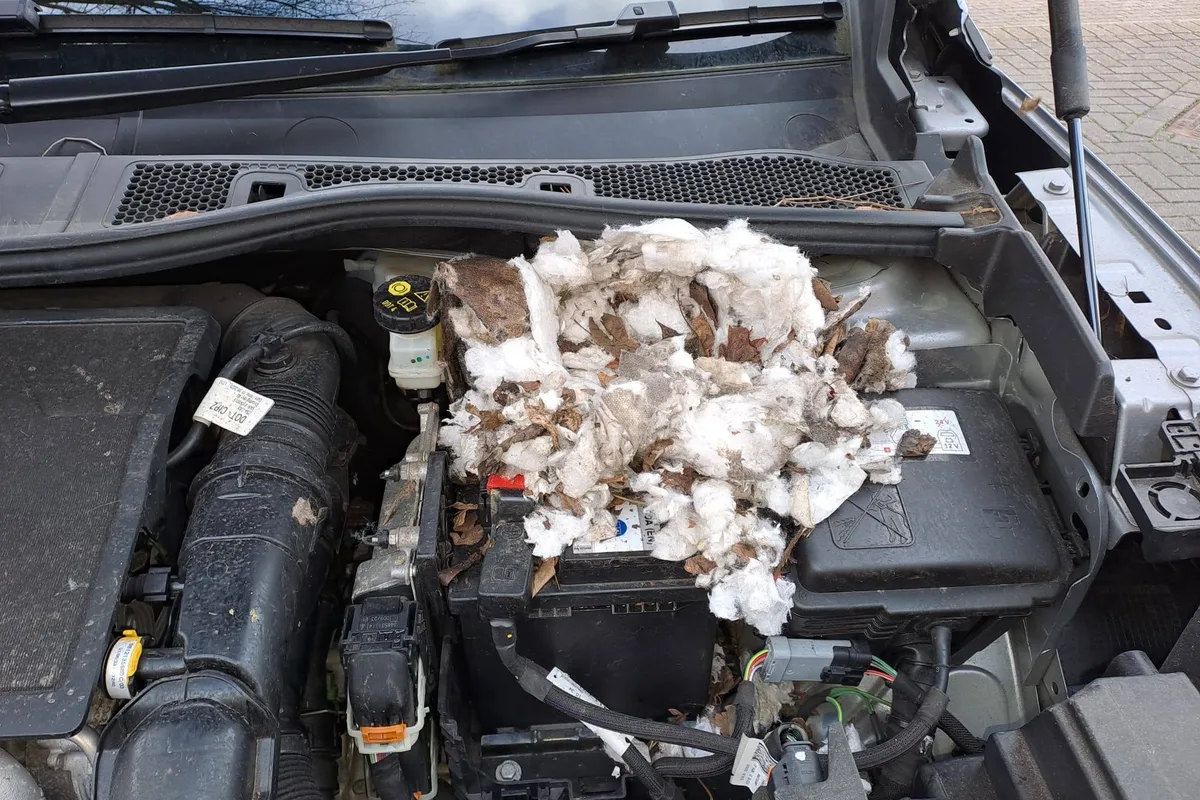
| Top of the engine and battery tray | Shredded insulation, leaves or nut shells | Clear it and set traps by the front tires |
| Wiring harness and hoses | Chewed insulation and warning lights | Get it repaired, then wrap it in rodent tape |
| Trunk and spare tire well | Droppings and chewed carpet or paper | Disinfect, clean out and keep paper out |
The first sign is often a problem on the road, not a nest. A warning light, a dead headlight or heater, or a sour smell through the vents can all trace back to a mouse that moved in while the car sat.
How to Keep Mice Out of Your Car
Prevention works best when it starts with the garage, since that's where most cars spend the night. These five steps cover the garage, the cabin and the engine bay.
- Keep the car in the garage with the door shut, and check the rubber strip along the bottom of the door. A mouse needs only a dime-size gap.
- Keep food, wrappers and pet food out of the car, and store birdseed and pet food in the garage in sealed bins.
- Drive the car often, or at least move it every few days if it has to sit.
- Wrap exposed wiring in rodent tape treated with capsaicin, and close off openings into the air intake with a guard mice can't chew through.
- Set snap traps under the engine, against the inside edge of the front tires and along the garage walls, out of reach of kids and pets.
Keep loose poison bait out of the car. A mouse that eats it can crawl into a vent or the engine bay to die, and the smell is hard to get out. Mice soon ignore peppermint sprays and ultrasonic plug-ins, so treat them as extras, not as protection.
Cleaning Up After Mice in a Car
Droppings and urine in a car need care, because dust from them can spread disease. The CDC's rodent cleanup steps include a section just for vehicles. Open the hood, doors and trunk and let the car air out for 20 minutes. Disconnect the battery before you reach into the engine bay, and wear plastic gloves and long sleeves.
Don't vacuum, sweep or pressure-wash droppings until they're soaked. Spray them with a disinfectant and let it sit for five minutes or as long as the label says. Then wipe everything up with paper towels, bag it and wipe the area again. Replace any air filter that held a nest, and reconnect the battery only after the engine bay is dry.
Chewed wiring is a job for a mechanic. Tell the shop that mice were inside, so the technician knows to take the same care.
Mice in Cars FAQ
Does car insurance cover rodent damage?
Often, yes. Comprehensive coverage on many auto policies pays for chewed wiring, while factory warranties usually exclude it. Call your insurer before the repair and keep photos of the nest and the damage.
Do mice in a car mean mice in the house?
Not always, but a mouse in a garaged car is only one wall away from the house. Check the garage for droppings and gnaw marks, especially by the door into the house. Our mouse treatment for DFW homes covers the garage along with the rest of the house.
Do dryer sheets keep mice out of a car?
Not for long. The scent fades within days, and mice can shred the sheets for nesting material. Traps and screened openings do far more.
How do you get a mouse out of your car?
Set two or three snap traps baited with peanut butter where you found droppings, such as the floor or the trunk. Check them every morning, because a dead mouse left in a closed car smells fast.
Mice that keep coming back to the car usually live in the garage or the house. Price a visit online or by phone, and a technician will track down where they're getting in.