How to Get Rid of Ants in Potted Plants
To get rid of ants in potted plants, soak the pot. Set it in a tub of water mixed with insecticidal soap, just covering the soil. Leave it for 20 minutes or more so the ants and their young float out or drown. Then fix what drew them in, usually dry soil, sap-feeding insects on the plant or a pot sitting right on the ground.
On this page
Why Ants Move Into Plant Pots
A pot gives an ant colony almost everything it needs. The soil is loose and easy to dig, the container holds warmth, and regular watering keeps it damp even when the yard around it bakes. During a DFW drought, a watered patio pot may be the only moist soil for yards around, and ants find it fast.
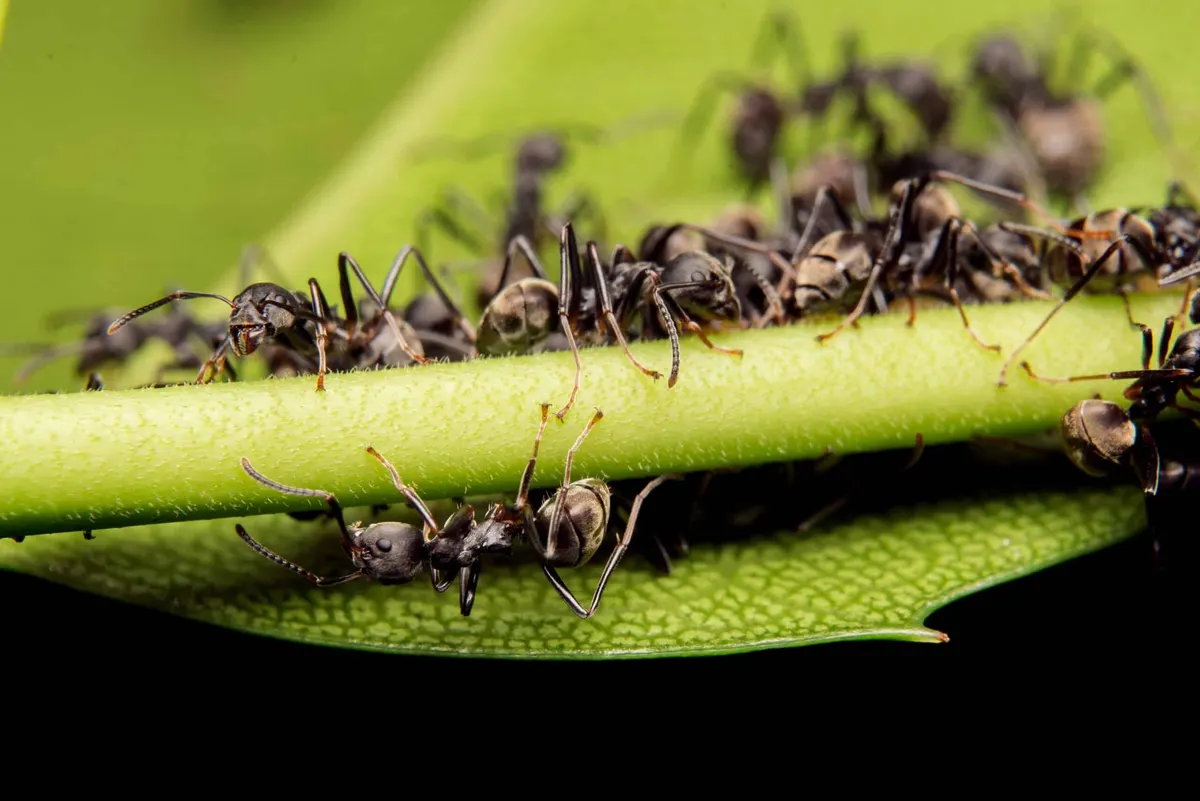
Food matters too. Aphids, mealybugs and soft scale on a houseplant leave sweet honeydew on the leaves, and ants guard those insects to keep the supply coming. A pot sitting directly on soil or mulch also gives ants a straight path in through the drainage hole.
Soaking Ants Out of a Plant Pot
The soak method from UC IPM's ant pest note works on most pots small enough to lift. It drives the nest out of the soil instead of killing only the workers you see.
- Carry the pot outside, away from the house, so escaping ants don't move indoors.
- Fill a tub or bucket with water and insecticidal soap, mixed the way the soap label directs.
- Lower the pot until the water just covers the soil surface, and hold it there for at least 20 minutes.
- Lift the pot out, let it drain fully and rinse the leaves with plain water.
- Check the roots and repot in fresh soil if the ants tunneled through most of the root ball.
Skip spraying insecticide into the pot. Sprays kill the ants you hit and leave the nest below, and many products aren't labeled for use on houseplants or edibles. Outdoors, ant baits placed near the trail leading to the pot let foragers carry the bait back to a colony nesting nearby.
Signs Ants Are Nesting in the Pot
Not every ant on a plant lives in its pot. This table matches what you see to the likely cause.
| What you see | Likely cause | What to do |
|---|---|---|
| Ants trailing up stems to the leaves | Honeydew from aphids, scale or mealybugs | Wash off or treat the sap feeders |
| Soil heaped on the surface or sinking in spots | A colony nesting in the pot | Soak the pot and check the roots |
| Water running straight through the pot | Tunnels draining the root ball | Soak, then repot in fresh soil |
| Winged ants crawling out of the soil | A mature colony ready to spread | Soak this pot and check the ones nearby |
| Ants gathering only around the saucer | Standing water | Empty saucers after watering |
Fire Ants in Patio Planters
DFW adds a harder case. Red imported fire ants can nest in large planters and raised pots, especially in summer, when the watered soil stays cooler and damp. They sting fast and in numbers, so reaching into the soil or lifting the pot can mean a handful of stings.
Don't try to soak a planter you can't lift easily. Treat fire ants in containers with a product labeled for that use, and read the label closely if the planter grows herbs or vegetables. Mounds that keep appearing in pots often mean a larger colony in the lawn nearby, so treating the yard handles both.
Bringing Pots Inside for Winter
The fall move indoors is a common way potted plant ants end up in the house. The National Weather Service's DFW freeze records put the average first freeze at DFW Airport on November 22, so plan the check for early to mid November. Tip each pot out of its saucer, look underneath for ants and soil piles, and soak any pot that shows signs of a nest before it crosses the threshold.
If ants keep turning up in pots and flower beds, the colony feeding them is usually in the yard. Our ant treatment for DFW homes goes after the colony itself. Yards around our Southlake office get the same approach through Southlake ant control.
Ants in Potted Plants FAQ
Is it bad to have ants in your potted plants?
Sometimes. A few ants passing through do little harm, but a colony nesting in the soil disturbs roots and dries out the root ball. Ants guarding aphids or scale also let those pests multiply.
How do I kill ants without killing my plants?
Use the insecticidal soap soak and rinse the leaves afterward. It drives out the colony without leaving the residue of a garden spray on the plant.
Why are there tiny ants in my potted plant indoors?
They're usually after honeydew from sap-feeding insects or nesting in soil kept damp by regular watering. Check the undersides of the leaves first, then the soil surface.
Most potted plant ant problems end with one good soak, and the hard cases start in the yard. Get a quote online or reach our office by phone when they won't stay gone.