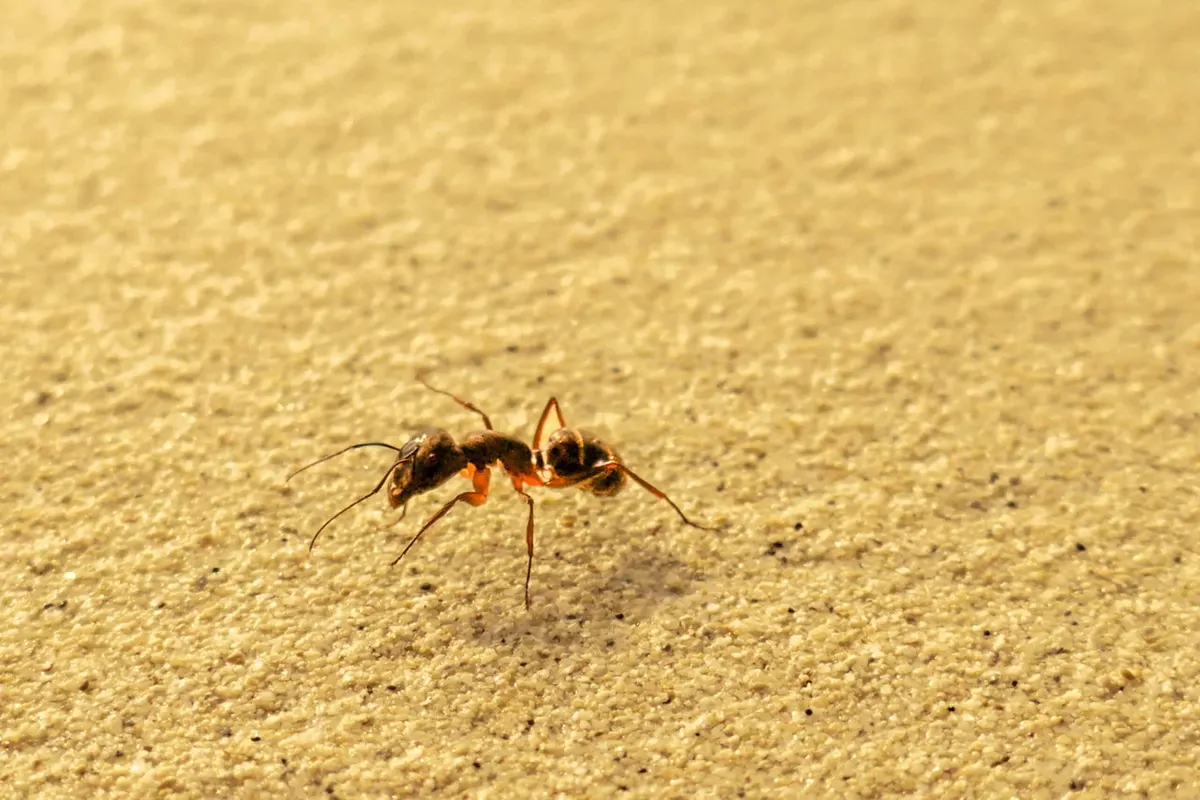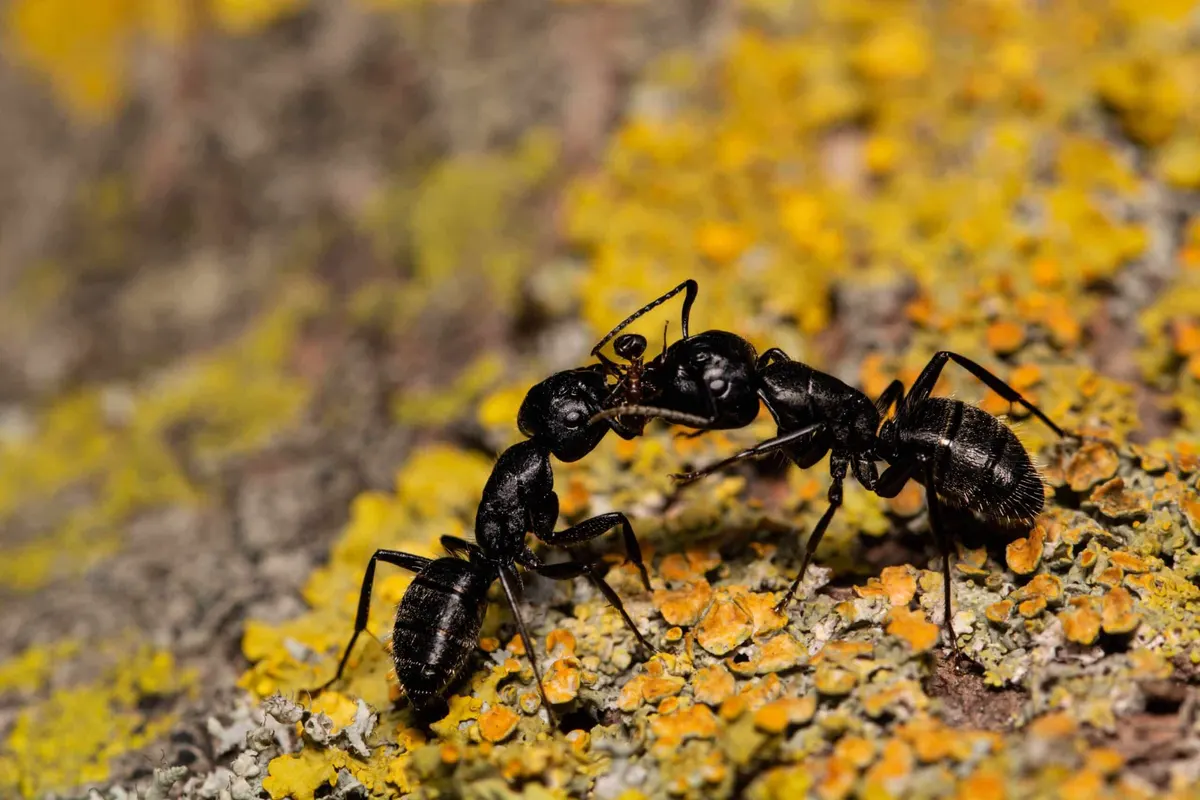
What Does an Ant Formation Mean?
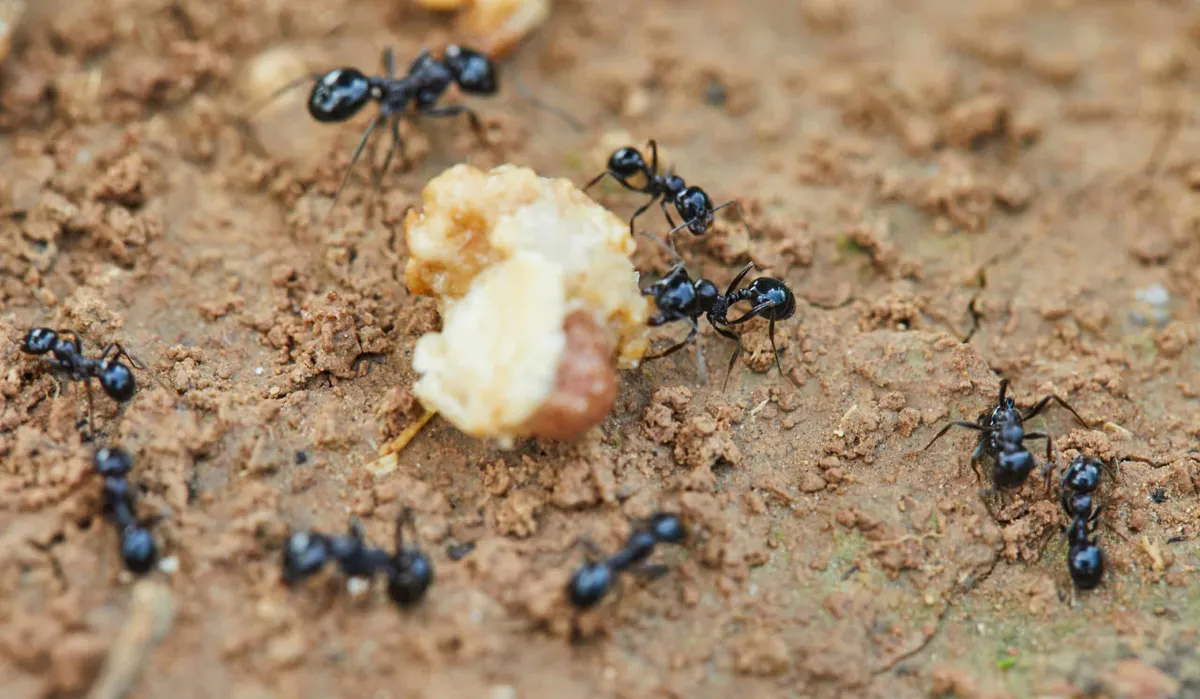
An ant formation is a long line of ants marching single file. It means a scout found food or water and laid a scent trail for the rest of the colony to follow. The line runs between the nest and that find. Followed backward, it shows you where the ants are getting in.
On this page
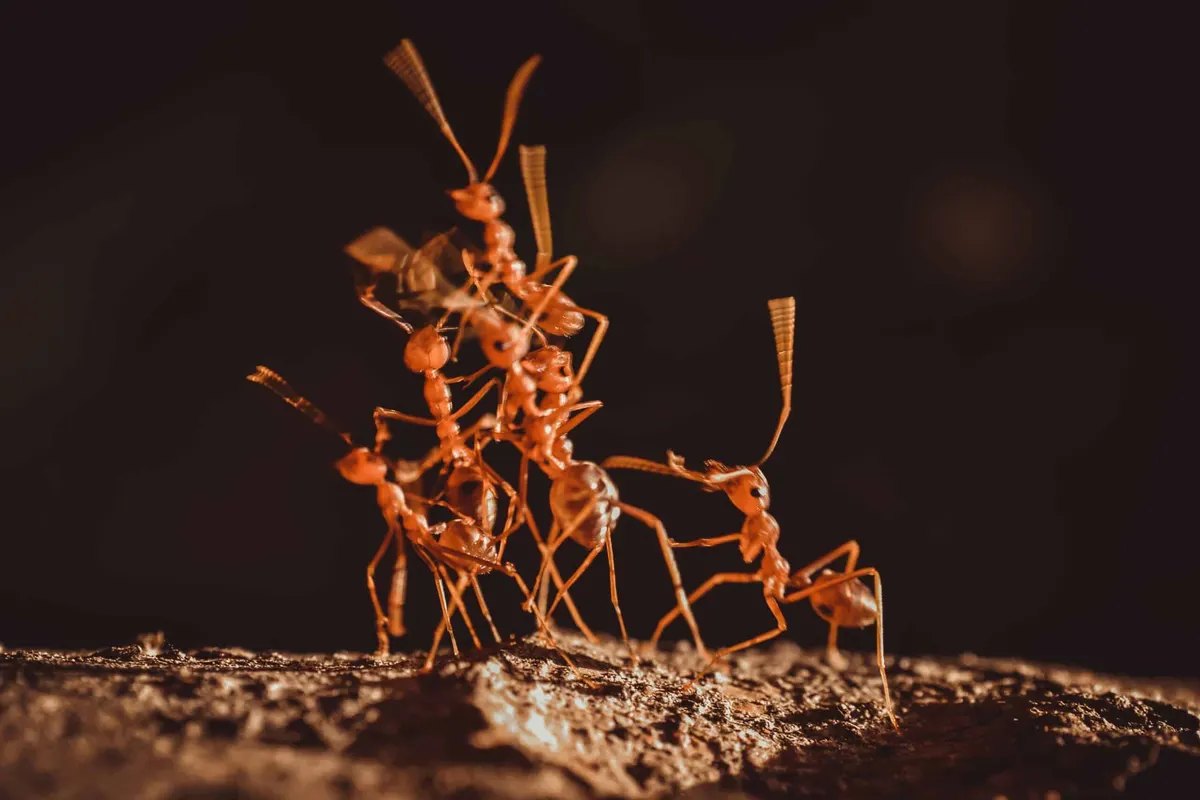
Why Ants Walk in a Line
Ant trails start with a single scout. Scouts wander in loose, random paths looking for food, and once one finds something, it heads home by the most direct route it can. On the way back it lays down a chemical called a trail pheromone, then recruits nestmates to follow it out.
Each ant that finds the food worth the trip adds its own scent on the way home. A good find can turn a faint trail into a busy highway within hours. Rice University's insect biology post on ant trails describes this as collective decision-making, with no single ant in charge. The line you see is the colony agreeing, one ant at a time, that the trip pays off.
What an Ant Trail Tells You
A trail is a map. One end is the target, the other end is the gap the ants use, and the path between them shows the route they find easiest. In DFW homes on concrete slabs, that route often starts at a slab crack, an expansion joint or the gap under a door. The table below shows how to read the most common trails.
| Where the trail runs | What the ants want | Where to look for the entry |
|---|---|---|
| Along a baseboard to the kitchen counter | Crumbs, sweets, grease | Baseboard gaps, the back of lower cabinets |
| Up a wall to a sink or window | Water or condensation | Window frame, gaps where plumbing enters |
| In and out of an outlet or switch plate | Food somewhere nearby | Wall voids behind the plate |
| Across a bathroom floor | Water around the tub or toilet | Gaps around pipes and the bath trap |
| Across the patio to the slab edge | Anything inside the house | Slab cracks, door thresholds, weep holes |
Texas has several house ants that trail this way, including pharaoh ants, odorous house ants, little black ants and rover ants. The species decides the treatment, but the trail always points to the same two things, a food or water source and a way in.
How Long an Ant Trail Lasts
Ant trail scent fades, but not all at once. A 2012 review of ant foraging trails explains that pharaoh ants use two trail pheromones. One fades within about 20 minutes, which keeps a trail fresh only while food is still there. The other lasts much longer and works as a memory, letting the colony reuse a trail a day or two later.
The same review notes that ants lay more scent when the food is better or when the colony is hungry, and that they quickly learn a route by heart. In the garden ants studied, a forager that had made a few trips followed its memory of the path even over the scent. That's why a trail you wiped this morning can be back by dinner.
Do Vinegar and Soap Remove Ant Trails?
They help for a while. Wiping a trail with soapy water or vinegar removes the scent along that stretch, and soapy water kills the ants it soaks, so the line breaks up. But the colony still knows the food is there, the long-lasting scent survives in places you missed, and new scouts rebuild the trail within hours.
Wiping works best as a cleanup after you deal with the colony, not as the fix itself. With pharaoh ants, avoid repellent sprays altogether, since they can scatter the colony into new nests.
Following the Trail Back to the Source
The most useful thing you can do with a trail is follow it. Watch it early in the morning or after dark, when traffic is heaviest. Trace the line away from the food to the point where the ants disappear into a crack, a gap or an outlet, and mark that spot.
Then follow it from the outside. Look at the same spot on the exterior wall or along the slab, where you will often find a second trail leading out into a flower bed or the lawn. That outdoor end is often close to the nest, and it is the spot that matters most for treatment.
How We Treat Ant Trails
When a technician can locate the nest, the treatment goes straight into it. When the nest is out of reach, baits and non-repellent sprays do the work, since foragers carry them back along the trail and share them with the colony. That takes longer but ends the problem at its source. In garages, they spray rather than bait. You can see how Forterra treats ant colonies by species.
Ant Trail FAQ
How long does it take for an ant trail to go away?
A trail with nothing at the end of it fades fast, since the short-lived scent pharaoh ants use is gone within about 20 minutes. If food or water is still there, the ants keep renewing it, so the trail lasts until the target is gone or treatment reaches the colony.
Why do ants keep coming back to the same spot?
They remember it. A long-lasting trail scent and the route each forager has learned bring them back to a spot that fed them before, even after you clean it.
Should I kill the ants on the trail?
Not if you've put out bait. The ants walking the trail are the ones carrying bait home, and killing them slows the bait down. Leave them alone for a few days and let them do the work.
If trails keep finding their way inside, see what ant control in Southlake includes and get a price online.