Are Ants Good for Your Garden?
Most ants are good for your garden. They loosen and aerate the soil, carry plant and animal scraps underground and eat many pest insects. Two kinds of ant trouble cancel those benefits. Some ants guard aphids on your plants, and red imported fire ants in DFW gardens chew okra, tunnel into potatoes and sting whoever weeds the bed.
On this page
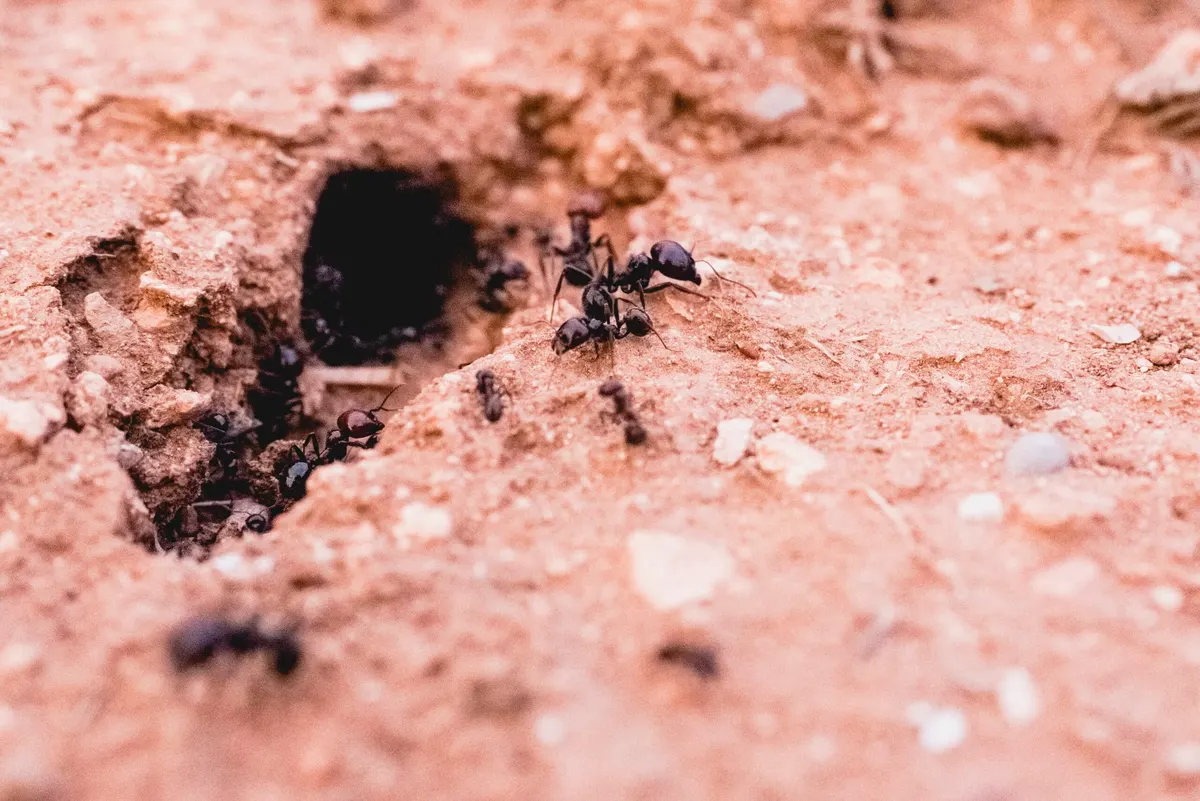
How Ants Help Garden Soil
Ants are some of the hardest working soil builders in a yard. Iowa State University Extension's article on ants notes that ants move about as much soil as earthworms do. Their tunnels loosen packed ground and let air and water soak in, which matters in the heavy clay soil common across DFW.
They also recycle. Ants haul dead insects, seeds and bits of plants into their nests, and what they leave behind fertilizes the soil around them. Many species carry seeds off and help wildflowers spread to new spots.
Ants Eat Many Garden Pests
Ants rank among the leading predators of other insects. Foraging workers pick off caterpillars, insect eggs and other small insects, often before a gardener notices the pest at all. Even fire ants hunt pest insects, although they kill helpful insects along with them.
Native ants feed other wildlife too. In Texas, red harvester ants make up more than three quarters of the diet of the Texas horned lizard in most places, according to Texas Parks and Wildlife. Fire ants compete with harvester ants for food, and large fire ant populations can starve out a harvester colony.
When Ants Hurt Your Plants
The main harm comes from the company ants keep. Many ants collect honeydew, the sweet liquid that aphids, scale insects and mealybugs give off as they feed on sap. To protect that supply, the ants chase away ladybugs and other predators, and the sap feeders multiply. A line of ants marching up a rose stem or a crape myrtle trunk often leads to a cluster of aphids at the top.
Mound building causes the rest. Ants can heap soil over low plants, loosen roots in raised beds and dry out the soil around seedlings. That disturbance matters most in containers and small beds, where roots have little room.
Fire Ants in DFW Gardens
Fire ants change the answer for DFW gardeners. Texas A&M AgriLife's guide to fire ants in vegetable gardens explains that the moisture, rich soil and steady food in a garden attract them. The same guide reports fire ants feeding on okra pods and tunneling into potatoes, especially in dry weather, and eating seeds that hold oil.
This table sorts common ant habits in a garden into the ones worth keeping and the ones worth stopping.
| Ant habit | Good or bad for the garden | What to do |
|---|---|---|
| Tunneling through soil | Good, it loosens clay and lets water in | Leave it alone |
| Hunting caterpillars and insect eggs | Good, it cuts pest numbers | Leave it alone |
| Guarding aphids, scale or mealybugs | Bad, the sap feeders multiply | Control the aphids, and the ants move on |
| Mounding in beds and pots | Bad, it buries and dries out roots | Disturb or move the mound |
| Fire ants feeding on okra, potatoes or seeds | Bad, it damages the crop | Treat the colony from outside the bed |
What to Do About Ants in the Garden
Leave most ants alone and fix the reason they're on your plants. Knock aphids off with a strong spray of water, check the undersides of leaves every week and prune heavily infested tips. Once the honeydew dries up, the ants lose interest.
Fire ants need direct treatment. Texas A&M notes that many fire ant baits aren't labeled for use inside a vegetable garden. They can go around the outside of the bed instead, where foragers carry them back to the colony. Read the label before anything goes near food plants. Texas Parks and Wildlife also notes that insecticides used on fire ants kill harvester ants too, so treat individual mounds where native ants share the yard. Our fire ant and ant treatment covers single mounds and whole lawns. Gardeners near our Dallas office can see the local approach on the Dallas ant control page.
Ants in the Garden FAQ
Should I kill the ants in my garden?
Usually not. Most garden ants improve the soil and eat pests, so killing them removes a free helper. Make an exception for fire ants and for ants guarding large aphid colonies.
Will ants ruin my vegetable garden?
Most won't. Fire ants are the exception in DFW, because they feed on okra and potatoes, eat seeds and sting anyone working the bed. A vegetable garden full of fire ant mounds needs treatment around its edges.
Do ants eat plants?
Very few do. Most ants eat insects, seeds and sweet liquids, and they harm plants mainly by protecting aphids or piling soil on roots. Fire ants are the main local exception.
Ants that stay in the soil are working for you, and fire ants are the ones to treat. Once the mounds start crowding the beds, get a quote online or talk to our office by phone.