Subterranean Termites in DFW and How They Get In
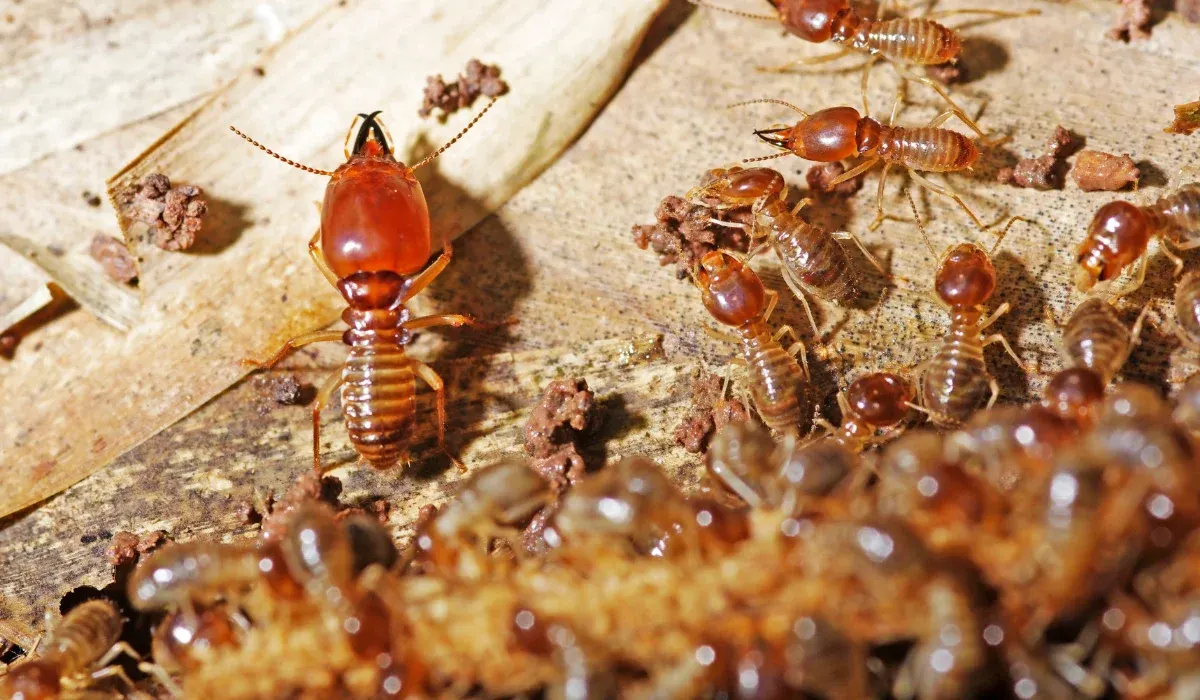
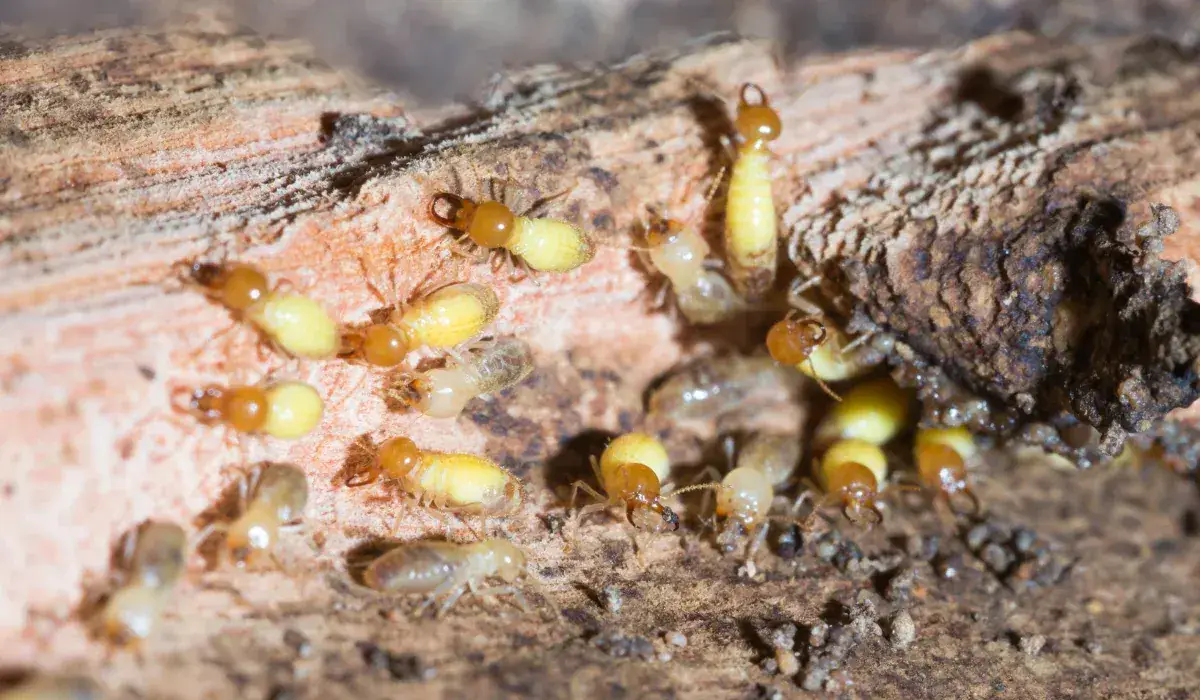
Subterranean termites, which many people call ground termites, live in colonies in the soil, eat wood and other plant material, and need steady moisture to survive. They reach a house through wood that touches the ground, or by building mud tubes up the foundation and through cracks. They are the termites that damage homes in DFW.
On this page
How Subterranean Termites Live
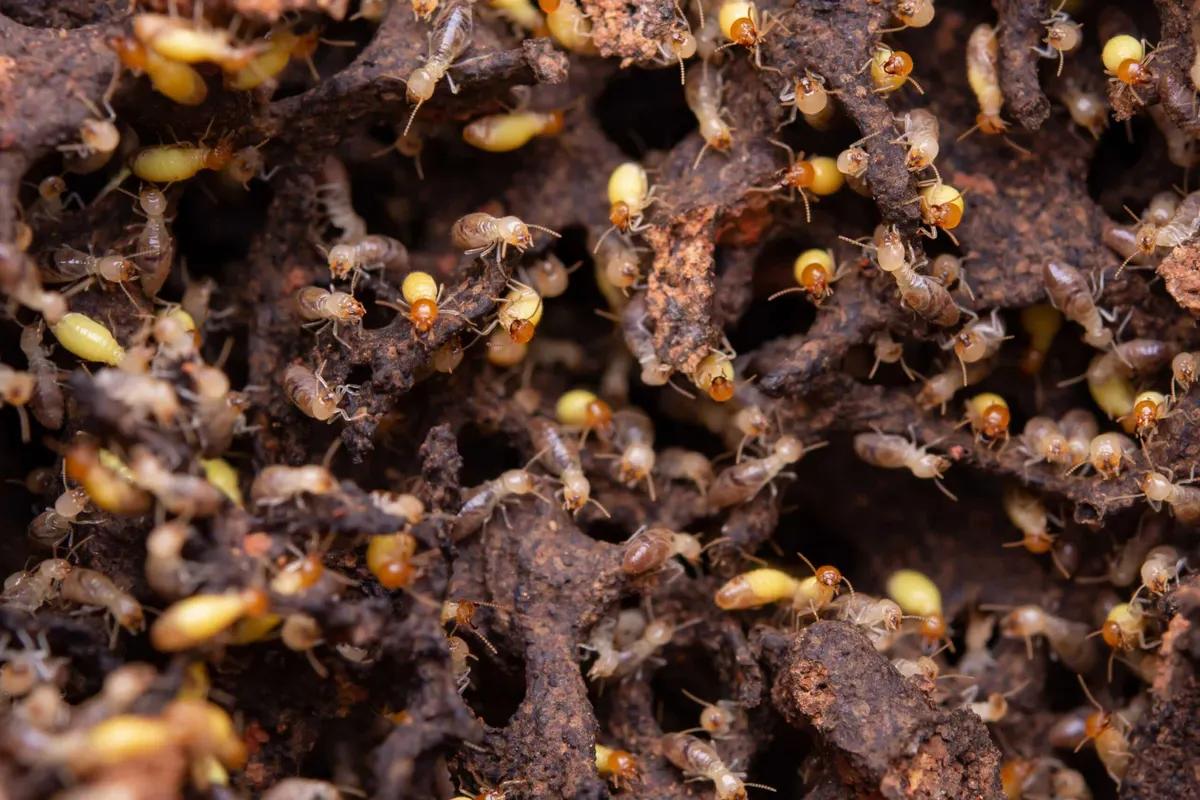
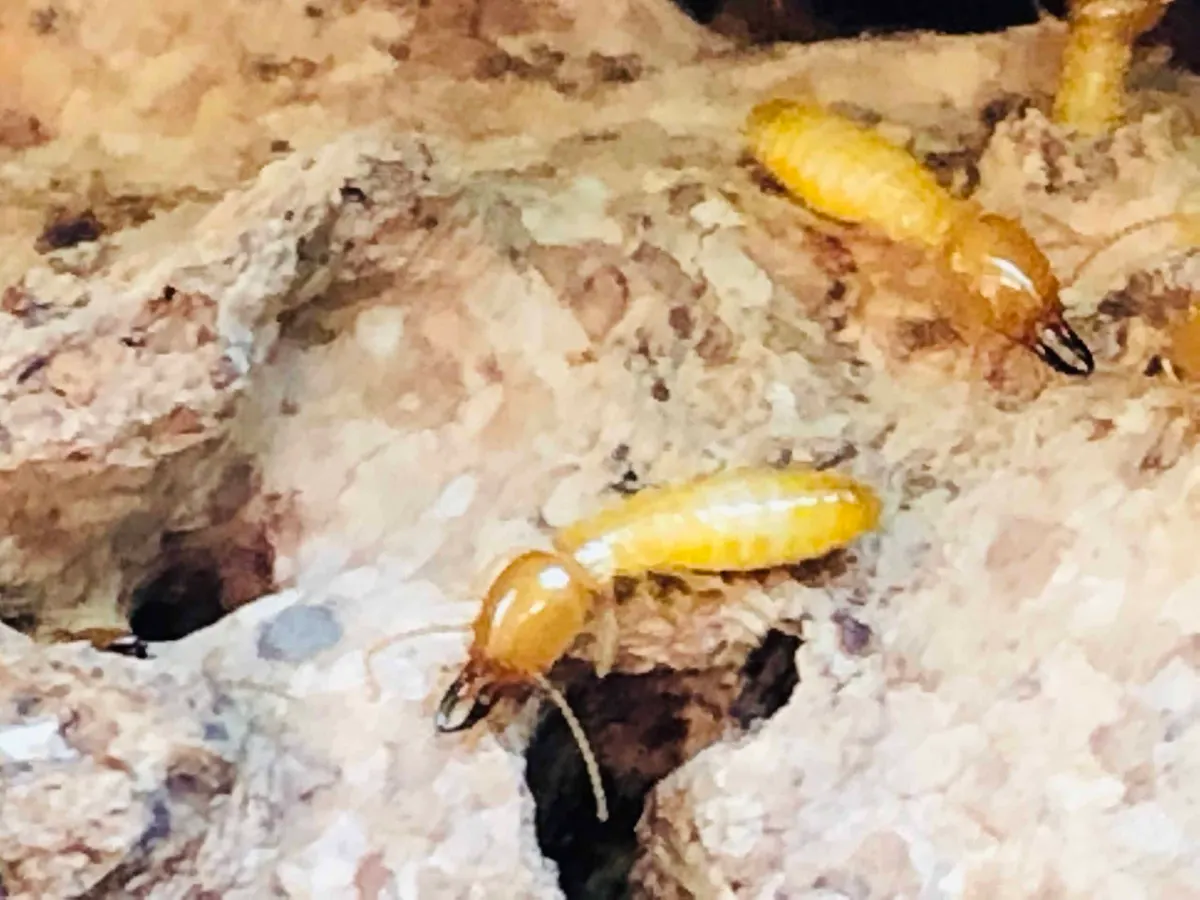
Most of a colony's foraging happens within 4 to 6 inches of the surface, where dead wood, fallen branches and brush give it food. Workers do the feeding, digging and building. Soldiers defend the colony from ants, and winged swarmers leave in spring to start new colonies. A native colony grows for 3 to 5 years before it matures, and a mature one usually has around 250,000 workers. Wood is their main food, but paper, cotton and other plant material feed them too.
Termites dry out quickly, so they keep contact with damp soil or another water source, like a plumbing leak, a dripping AC condenser or an overflowing gutter. To cross dry ground or concrete, workers build mud tubes from soil, bits of wood and saliva. Given a steady leak, they can stay above ground and away from the soil for a long time.
Subterranean Termites in Texas
Texas has two major subterranean termites, and both live in DFW. The eastern subterranean termite is the native one. It lives throughout the state, and it is the termite DFW homeowners usually face. The Formosan subterranean termite came from East Asia, and Texas A&M dates its first Texas find to 1956, at the Houston Ship Channel.
Formosan termites are the bigger threat. Texas A&M AgriLife's Formosan termite publication says a new colony can grow past a million termites within 5 years and eats wood faster than native termites do. Formosans also build carton nests of chewed wood and waste inside moist walls. If that wall nest gets cut off from the soil, it can survive and keep feeding on the house.
Texas A&M has recorded Formosans in DFW counties, but they remain uncommon here. Formosan swarms take off after dark around late May and early June. Native swarms come earlier and in daylight.
How Subterranean Termites Get Into a House
Subterranean termites come up from below, so every way in starts at the ground. Wood that touches soil is the easiest path. Fence posts attached to the house, wooden steps, trellises and door frames set in dirt let workers walk straight from the soil into the structure.
On a slab home, they build mud tubes up the foundation or squeeze through cracks and expansion joints. Gaps where plumbing comes up through the slab are another route, especially the opening under a bathtub. Planter beds built above the slab line hide any tubes and give termites a short path to the wood framing.
The signs are mud, not droppings. Narrow mud tubes running up the slab, swarmers or shed wings by windows in spring, and wood that sounds dull when tapped all point to them. Subterranean termites don't leave pellet piles. If you spot any of these, a termite inspection of the slab edge and plumbing gaps confirms what you're dealing with.
What Draws Them to DFW Homes
Many DFW homeowners water along the foundation in summer so the clay soil doesn't shrink away from the slab. Texas A&M AgriLife's subterranean termite guide notes that this watering can help keep a slab from cracking, but it can also draw foraging termites. The table below lists that condition and the other common ones that bring subterranean termites to a house, with the change that helps.
| Condition | Why it draws termites | What to change |
|---|---|---|
| Watering along the foundation | Keeps the soil at the slab edge moist | Water only as much as the slab needs and keep the edge in view |
| AC condensate line or dripping hose bib | Puts steady water at the foundation | Pipe the water away from the slab and fix leaks |
| Gutters that overflow at the wall | Soaks the soil and the wood trim above it | Clean and repair gutters so water drains away |
| Beds or mulch above the slab edge | Hides tubes and shortens the path to the wall | Leave 6 to 8 inches of foundation showing above the soil |
| Wood touching the soil | Lets workers walk from the ground into the house | Set posts and steps on concrete or use treated wood |
| Wood scraps or stumps near the house | Feeds a colony beside the foundation | Remove them |
When Subterranean Termites Are Active
Workers feed underground all year in Texas's mild climate, so a colony doesn't shut down for winter. In DFW, native swarms usually rise on a spring day following rain.
A swarm tells you a colony has matured, since colonies send out swarmers only after several years. Around Dallas, native swarms show up most from February into May, and our termite control in Dallas covers homes near that office. Indoors, a swarm usually means the colony already lives in the house. Outdoors, it means one is close by and could be feeding on your home or a neighbor's.
How Subterranean Termites Are Treated
Treatment happens at the soil, because that is where the colony lives. A liquid termiticide in the soil along and under the foundation kills or repels termites that tunnel through it. Texas A&M says it protects for about 5 years. Bait stations work on the colony instead, because workers share the bait with the rest. Control can take several months to more than a year, and the stations need regular checks.
Texas A&M doesn't recommend doing it yourself, since soil treatment takes specialized drills, pressure injectors and high-capacity tanks. Forterra installs Sentricon bait stations for termite control in the ground around the house, with no drilling through the slab. Forterra checks the stations once a year and backs the warranty itself. If you've found mud tubes or swarmers, get a price online or by phone.
Subterranean Termite FAQ
Should I worry about subterranean termites?
Yes, but calmly. The damage builds slowly and out of sight, so a yearly check of the slab edge and plumbing gaps matters most. Texas A&M puts the odds of termite damage for an unprotected Texas home at about 70 percent within 25 years.
Do subterranean termites ever go away?
Not on their own. A colony keeps foraging as long as it finds food and moisture, and several colonies can feed on the same house. Treated soil stops the termites that tunnel into it and bait suppresses the colony, but the conditions that drew them in will keep drawing new ones until you fix them.
How long does it take subterranean termites to destroy a house?
Years, not weeks. Colonies take years to grow, and the damage spreads slowly inside walls and trim, where it can stay hidden for a long time.
What's the difference between subterranean and drywood termites?
Subterranean termites nest in the soil, travel through mud tubes and leave mud in the wood they eat. Drywood termites live inside dry wood with no soil contact and push out piles of hard pellets. The termites that damage DFW homes are subterranean.