How to Keep Rats Out of Your House, Gap by Gap
To keep rats out of your house, seal every opening bigger than a quarter, from the roofline down to the foundation. Close any gap under a door taller than 1/2 inch, too. Trim tree limbs back from the roof so roof rats can't jump on. Then trap any rats already inside, because sealing alone locks them in.
On this page

How Small a Gap Rats Need
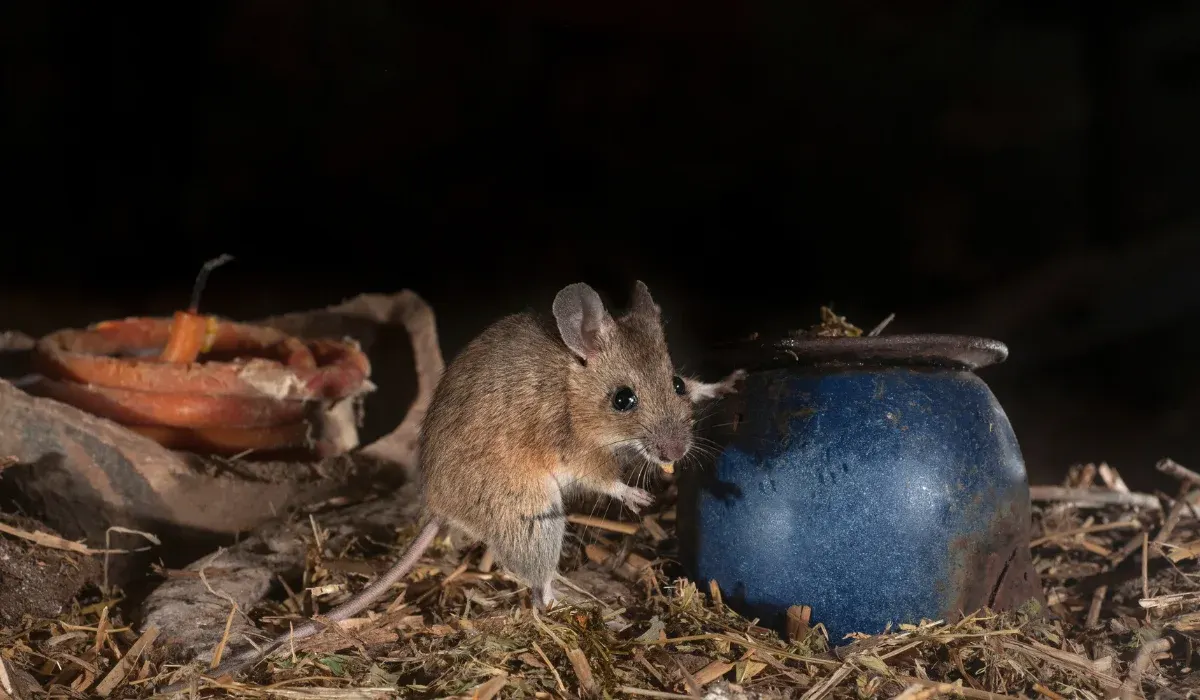
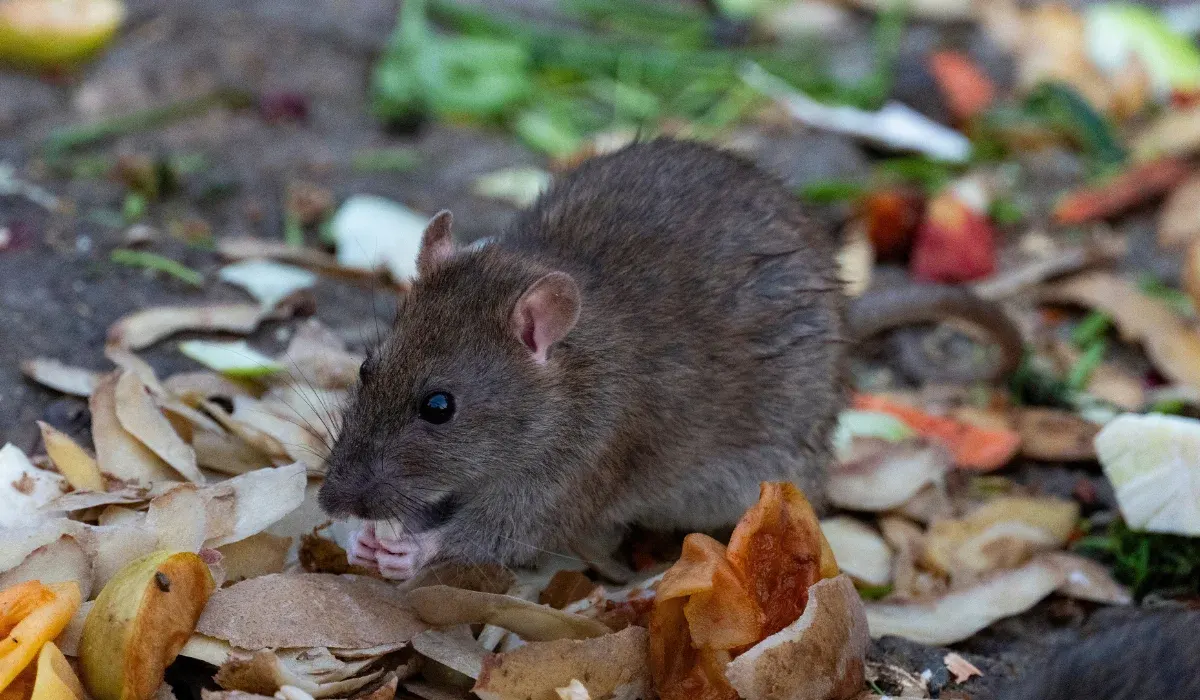
Rats fit through far smaller openings than their size suggests. Texas A&M AgriLife's rodent course says a rat needs a hole the size of a quarter, or a crack under a door just 1/2 inch high. A mouse needs even less, a hole the size of a dime or a 1/4-inch crack.
Rats also make small holes bigger. Missouri Extension notes that rats often enlarge smaller openings by gnawing, so a gap that looks too tight today can become a doorway next month. That's why Texas A&M recommends sealing any opening larger than 1/4 inch in foundations, walls, fascia boards and roofs. That size keeps out mice as well as rats.
A quick test helps at doors. Slide a pencil under each exterior door, including the one from the garage. If it fits, a young rat or a mouse can get through.
Where Rats Get Into DFW Homes
DFW has two house rats, and they break in from opposite ends. Roof rats climb and come in high, while Norway rats burrow and come in low. The table below lists five common rat entry points on DFW homes and what to check at each one.
| Entry point | Who uses it | What to check |
|---|---|---|
| Roofline gaps and vents | Roof rats | Soffit gaps, gable and ridge vents, joints where roof sections meet a wall |
| Tree limbs and vines | Roof rats | Limbs within 6 feet of the roof, vines climbing the walls |
| AC and utility lines | Norway rats | Gaps around refrigerant lines, condensate drains, cable and gas lines |
| Garage doors | Norway rats | Worn bottom seals and open corners on the door |
| Crawl spaces and foundation | Norway rats | Vent screens, access doors, burrows along the slab |
- Gaps where the roof meets a wall and along the soffits
- Attic and gable vents with torn or missing screens
- Tree limbs touching the roof, the roof rat's bridge
- Gaps around AC, plumbing and cable lines
- Weep holes along the bottom row of brick
- Daylight under exterior doors
- Worn garage door seals and open bottom corners
- Cracks and expansion joints along the slab
A mouse fits through a gap the size of a dime, and many insects need only a crack a credit card slides into.
Sealing the Roofline Against Roof Rats
Rats in DFW attics are almost always roof rats, which run along fence tops, tree limbs and overhead wires to reach openings up high. Look for gaps along soffits, damaged gable and ridge vents, and the joints where one section of roof meets a second-story wall. Texas A&M recommends screening attic and foundation vents.
Cut off the routes to the roof as well. UC IPM, the University of California's pest program, recommends removing overhanging limbs within 6 feet of the roof and thinning or removing climbing vines on walls and fences. It also recommends screening rooftop plumbing vents more than 2 inches wide and capping chimneys. Roof rats take longer to shut out than Norway rats, UC IPM notes, because their climbing puts openings anywhere above the ground. Dallas homeowners can see how the local office approaches this on our page about rodent control in Dallas.
Garage Doors, AC Lines and Crawl Spaces
Norway rats come in low, and garage doors are one of their main ways in. Check the seal along the bottom of each garage door and the corners where it meets the frame, since worn seals leave gaps a rat can squeeze through. Texas A&M recommends door sweeps on exterior doors and kick plates at the base of any door rats have gnawed. UC IPM adds that ordinary weatherstripping may not be enough to stop them.
Next, follow every line that enters the house. Central air systems run refrigerant lines and a condensate drain through the outside wall, and the holes around them are often larger than the lines. Dryer vents, cable and phone lines, gas lines and hose bibs leave similar gaps. On older pier-and-beam homes, check the crawl space vents and the access door, which should close tightly.
One common belief needs a correction. Weep holes, the small openings near the bottom of brick walls, are typically too small for rats, so they aren't where rats get in. Mice are a different case, since a mouse fits through a gap the size of a dime. Our guide to sealing mouse entry points covers the openings mice use.
How to Check a House for Rat Gaps
Work around the outside first, then the inside. The CDC's guide to sealing out rodents lists the places to check outdoors. Start with eaves, soffits, gables, attic and crawl space vents, holes for utilities and gaps where the foundation meets the ground. Indoors, it points to kitchen cabinets, the spaces behind appliances, pipes under sinks, water heater and furnace lines, dryer vents and the joints where floors meet walls.
At each opening, look for the clues rats leave. Fresh gnaw marks, dark greasy smudges around the edges and droppings nearby all mean rats already use that gap. The right fix depends on each hole's size and location, so no single product closes every opening. Good rat proofing also takes regular checks, since a new gap can open when someone runs a new cable or pipe through the wall.
Why You Seal Before You Trap
Sealing comes first, but it isn't the last step. If rats already live in the attic, closing every opening locks them inside with nowhere to go but your walls and ceilings. The order that works is to seal the entry points, then trap the rats left inside. Most homes go quiet in about a week. After that, exterior bait stations, maintained quarterly, keep the outside population down.
Some of these openings sit on a second-story roofline, so not every job is a weekend project. You can see how we handle rodent exclusion for DFW homes from inspection to the final seal. Our interior rodent inspection is free, and the phone line answers at any hour if you would rather talk the job through.
Rat Proofing FAQ
What smell keeps rats out of your house?
No smell keeps rats out for long. UC IPM notes that rats have an initial aversion to some odors, but no repellent has solved a rat problem for more than a very short time. Peppermint oil and other scents don't replace sealing.
What scares rats away at night?
Very little works for more than a few days. Rats startle at new sounds but soon ignore sounds they hear over and over, so ultrasonic devices don't drive established rats out of a building.
What gets rid of rats in the house fast?
Snap traps placed along walls where you see droppings and rub marks work fastest indoors. Use plenty of them, about 10 to 20 feet apart. Bait is an outdoor maintenance tool, not a replacement for traps, and poison inside the house can leave rats dying in hidden spots.