Types of Rodents in Texas
Texas has 71 kinds of rodents, more than any other group of mammals in the state. Only three of them live inside houses, the Norway rat, the roof rat and the house mouse. Around Fort Worth and the rest of DFW, homeowners also meet nutria in ponds and creeks, fox squirrels in yard trees and pocket gophers in sandy lawns.
On this page
Rodents Around DFW Homes
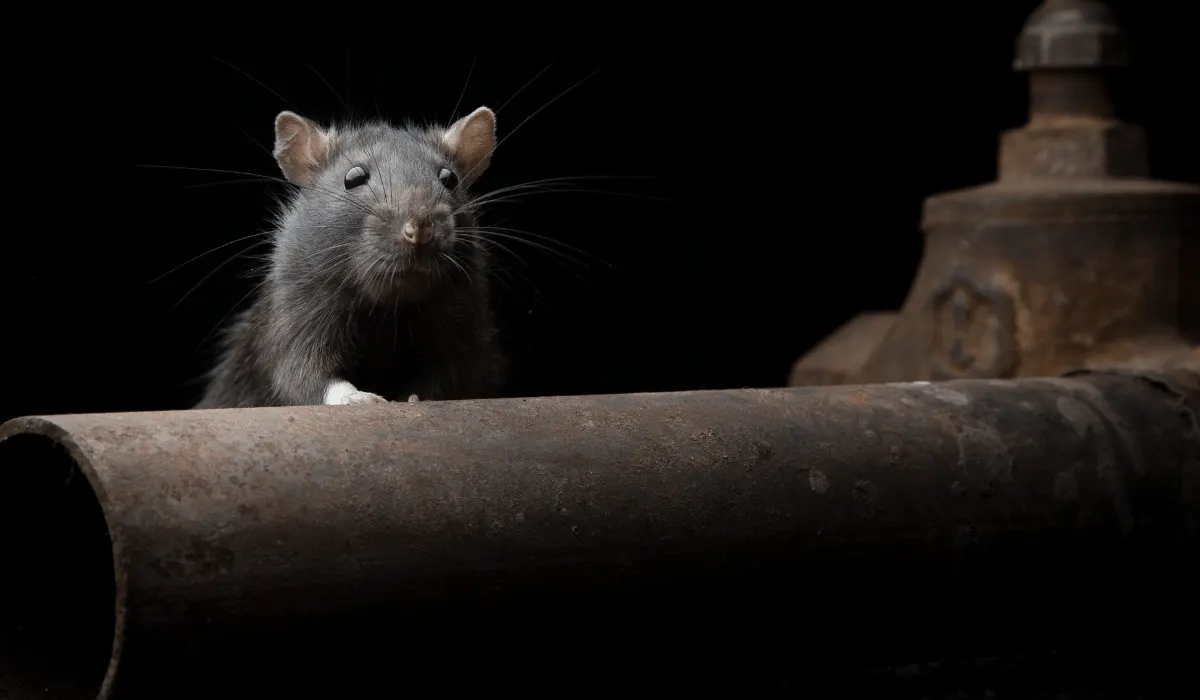
Texas Tech's overview of Texas rodents calls rodents the most commonly encountered mammals in the state. Four of them, the two house rats, the house mouse and the nutria, came from other continents and now live statewide. The table below covers the rodents a DFW homeowner is most likely to deal with, and who handles each one.
| Rodent | Where you see it in DFW | What it damages | Who handles it |
|---|---|---|---|
| Norway and roof rats | Attics, garages, crawl spaces, yards | Wiring, insulation, stored food | Pest control |
| House mouse | Kitchens, pantries, wall voids | Food, nesting material, wiring | Pest control |
| Nutria | Ponds, lakes, creeks | Pond banks and water plants | Wildlife specialist |
| Fox squirrel | Pecan and oak trees, roofs | Fruit, nuts, power lines, attics | Wildlife specialist |
| Plains pocket gopher | Sandy lawns and gardens | Roots, turf, garden beds | Wildlife or lawn specialist |
| Cotton rat and woodrat | Tall grass, brush, sheds | Crops, stored items in outbuildings | Rarely a house problem |
The Three Rodents That Live Indoors
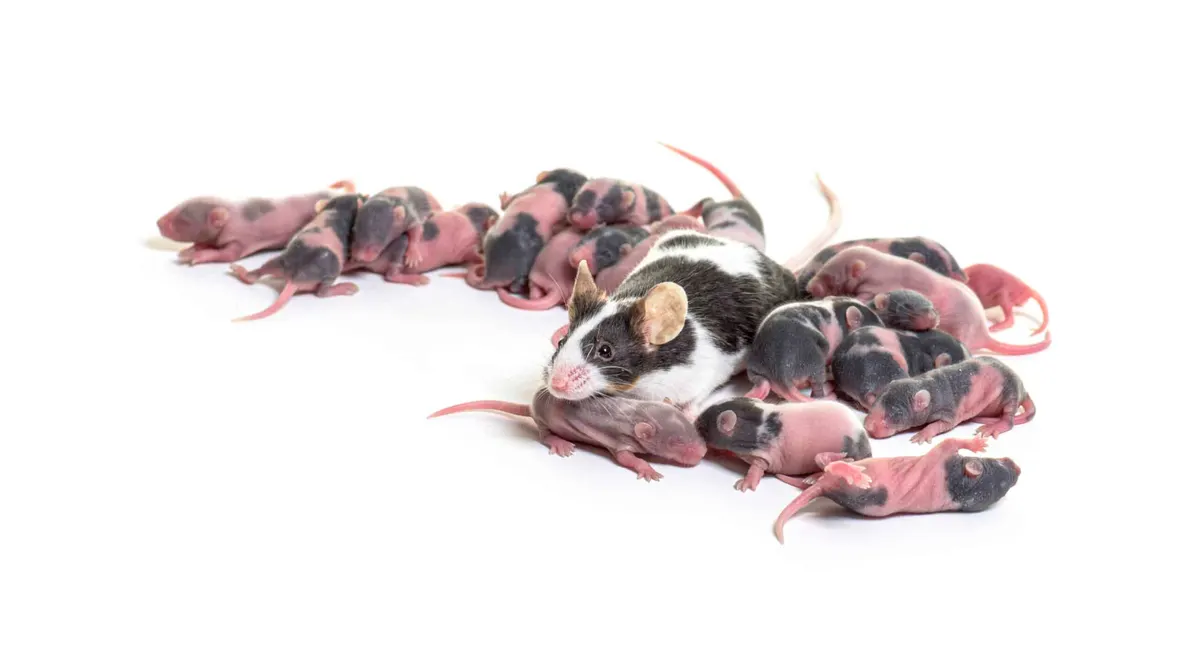
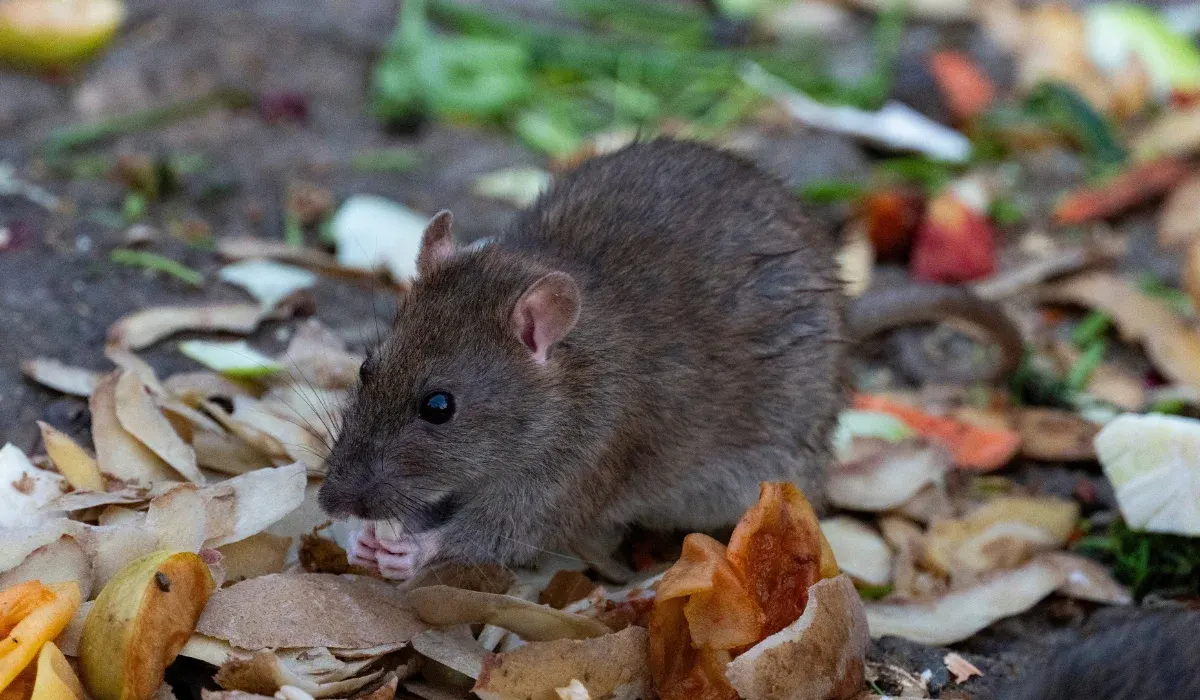
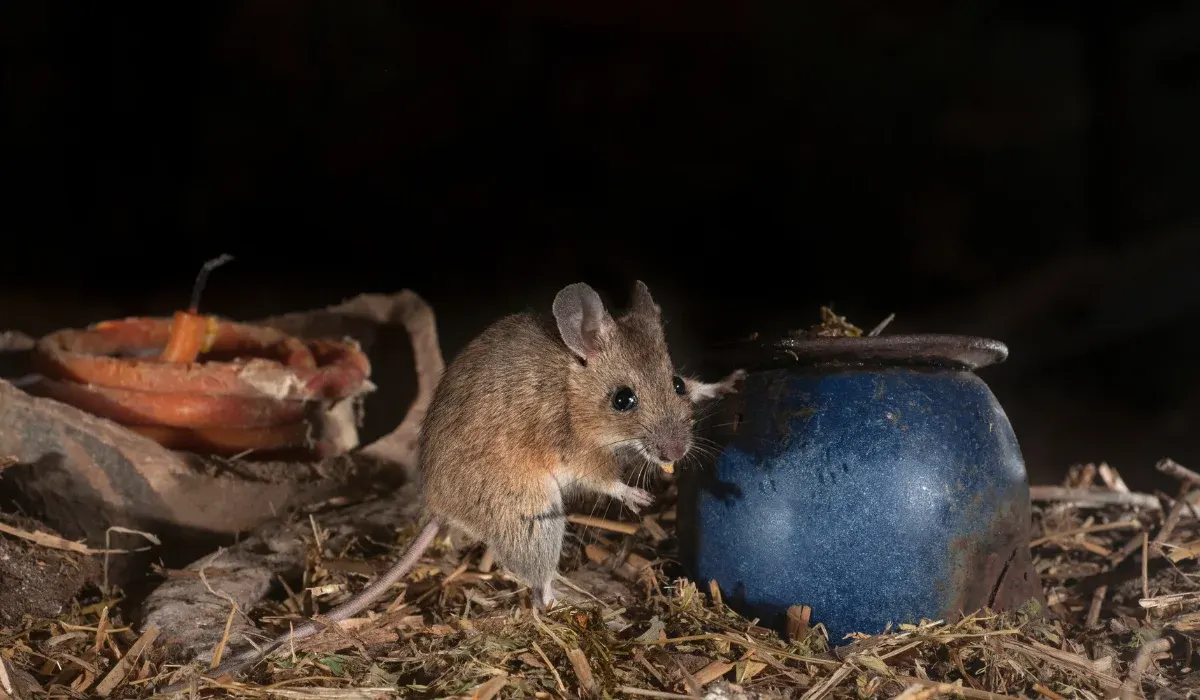
Norway rats and roof rats are the house rats of Texas. Norway rats burrow and stay low, while roof rats climb and nest in attics. The house mouse is smaller and lives right inside the walls and cabinets, and it needs an opening only about as wide as a dime.
These three are the rodents a pest control company deals with. Rats and mice are where our technicians come in. They close the openings first, trap the animals still inside, and finish with outdoor bait stations they service on later visits. When rodents are the reason you call, the first inspection inside the house is free.
Nutria in DFW Ponds and Creeks
The nutria is the rodent most people mistake for a giant rat. It lives in water across the eastern two-thirds of Texas, which takes in DFW's lakes, creeks and retention ponds. A big one stretches close to 3 feet including its scaly tail, and its front teeth are bright orange.
Nutria came to the Southeast from South America in 1938, and Texas Tech's account notes that people spread them around Texas as a cure for ponds choked with weeds. It didn't work, since nutria skip algae and many underwater plants. They do dig burrows more than 3 feet into a bank, often with the entrance above the waterline. That is how a pond-side yard ends up with an undercut, crumbling bank. Nutria breed all year, so a pair can turn into a colony fast.
Fox Squirrels in Yard Trees
The fox squirrel is the big, rusty-bellied squirrel in most DFW neighborhoods. It lives across the eastern four-fifths of Texas, and its range grew as pecan orchards spread. Where hollow trees are scarce, it builds round leaf nests in the branches, about a foot or more across.
Fox squirrels raid pecans, fruit and bird feeders, and Texas Tech notes that they have caused power outages by chewing through electric lines. A squirrel in the attic is a wildlife job, since removing and excluding wildlife calls for different equipment and skills than rodent control.
Pocket Gophers in Sandy Lawns
Plains pocket gophers live in northwest and north-central Texas, reaching east as far as Dallas County. Texas Tech's plains pocket gopher account notes that they need sandy soil at least 4 inches deep and avoid clay and rocky ground.
That soil rule splits DFW. The sandy Cross Timbers west of Fort Worth suit gophers, while the heavy Blackland clay to the east mostly doesn't. You'll know them by their mounds, low crescent-shaped piles of loose soil about a foot across, usually with the hole plugged. Gophers rarely surface, and they eat roots from below, so a dying patch of lawn next to fresh mounds is the usual sign.
Native Rats in Fields and Brush
Texas also has native rats that live away from houses. The hispid cotton rat fills tall grass and old fields statewide, and its numbers can explode after a run of wet years. The eastern woodrat, often called a pack rat, builds big stick nests in brushy woods and sometimes in barns and sheds. Neither one usually moves into a home.
Rodents in Texas FAQ
What is the most common rodent in Texas?
Rodents are the most common wild mammals in Texas overall. Around homes, the house mouse, the Norway rat and the roof rat cause the most trouble, since they are the only ones that live indoors.
What rodent looks like a rat but isn't a house rat?
The nutria, a large swimming rodent with a rat-like tail, is the usual one near water. In fields and brush, native cotton rats and woodrats get mistaken for house rats too.
What is the largest rodent in Texas?
The American beaver, which averages about 40 pounds and lives along rivers and lakes over most of the state. The nutria comes second around DFW waters.
If the rodent is inside your walls or attic, see how rodent control for DFW homes works, or find pest control in Fort Worth and get a price online.