Rat Damage in the House
Rat damage in a house comes from gnawing and nesting. Rats chew electrical wiring, which can start a fire, along with plastic and soft metal pipes, wood trim, doors and siding. They shred insulation in attics and walls for nests and soil it with droppings, and Norway rats can burrow under slabs and foundations.
On this page
Why Rats Chew Through So Much
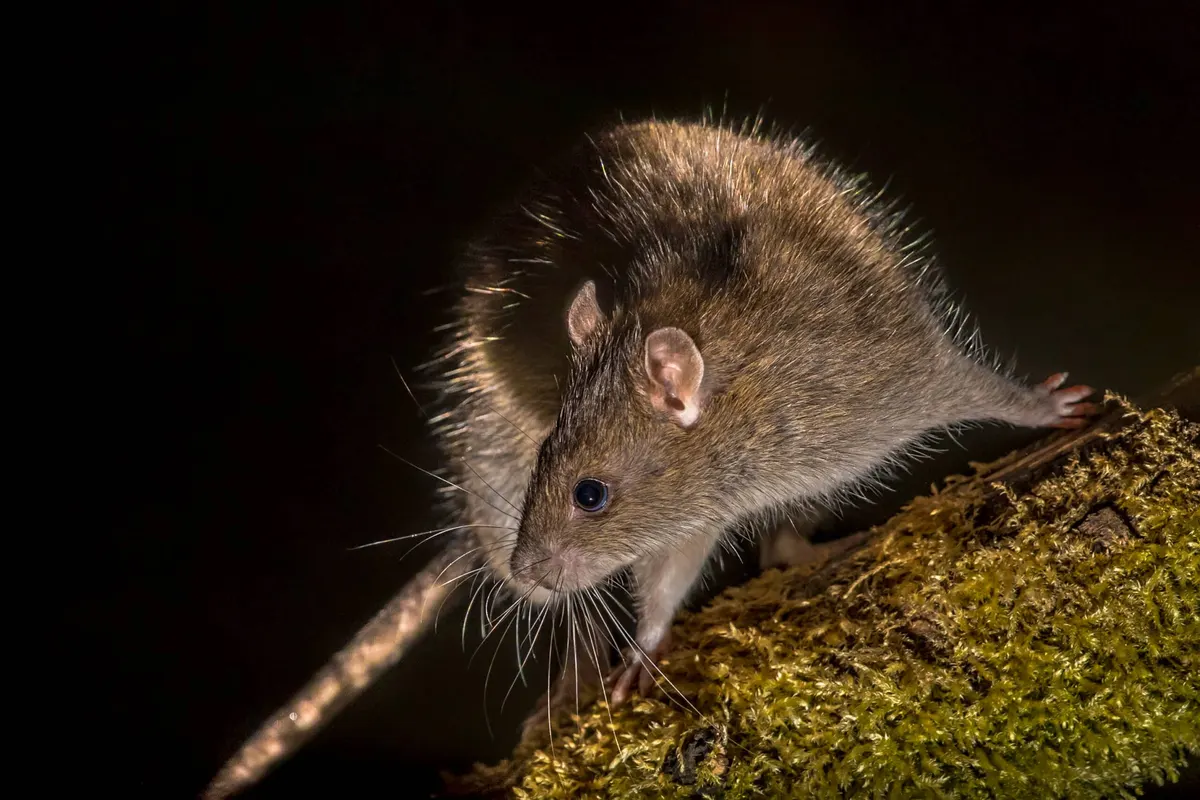
A rat's front teeth never stop growing. Rats keep them in check by grinding them together and gnawing hard things, and their incisors can grow several inches in a year. Gnawing isn't only about eating, so a rat will chew on things it has no plan to eat.
That habit reaches almost every material in a house. University of Arizona's roof rat control guide warns that roof rats gnaw on wiring and tear up insulation for nests. UC IPM adds that rats can gnaw soft metals such as copper and lead, along with plastic and wood. A rat with a rough edge to start from can widen a small crack into an entry hole.
Rat Damage to the House
Most rat damage stays hidden in attics, walls and crawl spaces until something fails. The table below shows what rats damage, the signs to look for and who handles the repair once the rats are gone.
| What rats damage | Signs to look for | Who repairs it |
|---|---|---|
| Electrical wiring | Bare copper, chewed cable jackets, gnawed outlet boxes | Licensed electrician |
| Attic and wall insulation | Tunnels, flattened or shredded batts, droppings | Insulation contractor |
| Water lines | Gnawed plastic or soft copper, damp spots, leaks | Plumber |
| Wood trim, doors and siding | Rough gnaw marks on corners and edges | Carpenter or handyman |
| Slab and foundation soil | Burrows along the slab edge, washed-out soil | Foundation or drainage contractor |
| Stored items and food | Chewed boxes, shredded paper, droppings | Discard what was soiled |
Gnaw marks also tell you which rodent did it. UC IPM notes that rat tooth marks are about 1/6 inch wide, roughly twice the width of the scratchy 1/12-inch marks a mouse leaves.
Roof Rat vs Norway Rat Damage
DFW has two house rats, and where the damage sits tells you which one you have. Roof rats climb, so they come in along the roofline and live overhead. Their damage concentrates in the attic, with shredded insulation, runways along the joists, chewed wiring near junction boxes and gnawed edges around roof vents and soffits.
Norway rats stay low. They burrow along the slab, under flower beds and beside AC pads, and they come in through gaps around pipes, garage doors and crawl spaces. Their damage shows up at ground level, in gnawed pipes under sinks, chewed corners on garage doors and soil washed out from under a walkway. Some homes have both, and the repair order stays the same either way.
Rats Chewing Wires
Chewed wiring is the most serious rat damage. Texas A&M AgriLife's IPM action plan for rodents notes that rodents have started fires by gnawing on electrical wires. UC IPM warns of electrical sparks and fires where roof rats live in attics, and it even mentions rats chewing natural gas lines.
Wiring in an attic is easy to reach and rarely checked. Look along joists and around junction boxes for cable with its outer jacket stripped away, bare copper, or gnaw marks on boxes and conduit. If you find any, have a licensed electrician inspect the circuits once the rats are out. Don't wait for lights to flicker, since damaged wiring may show no sign at all in the living space.
Insulation, Pipes and Wood Trim
Attic insulation takes the most damage by volume. Rats tunnel through it, flatten it with their runways and pull it apart for nests, and their droppings and urine soak in. Insulation that is heavily soiled or packed down insulates poorly and may need replacing.
Water lines are the next risk. Rats can gnaw plastic lines and soft copper under sinks, in walls and in the attic until they leak. A leak inside a wall can go unnoticed for a while. Outside, rats chew the corners of doors, window trim and the edges of siding to widen the gaps they use. Gnawed wood around an opening often marks an entry point.
Burrows Under Slabs and Foundations
Norway rats dig. UC IPM notes that their burrows can undermine building foundations and slabs. Most DFW homes sit on a slab, and Norway rats like to burrow along its edge, under flower beds and beside AC pads, where the soil stays loose and moist.
A burrow by the slab does more than shelter rats. It can channel water under a patio or walkway and loosen the soil beneath it. Fill and pack abandoned burrows once the rats are gone, and watch for new holes after heavy rain.
Fixing Rat Damage the Right Way
Repairs come last. Fixing wiring or replacing insulation while rats are still inside only gives them fresh material. Our technicians seal the entry points first, trap the rats sealed inside, and leave outdoor bait stations in place as ongoing maintenance. On rodent jobs, the inspection inside your home is free.
After that, bring in the trades. An electrician checks the wiring, an insulation contractor handles removal and replacement, and a plumber fixes any gnawed lines. For medium and heavy infestations, Forterra also offers a separate sanitation service that cleans up droppings and applies an antimicrobial treatment. See how rat control for DFW homes handles each step.
Rat Damage FAQ
Can rats chew through walls?
Yes, through drywall and wood with little trouble. They usually start at an existing gap, a pipe opening or a rough edge and widen it rather than chewing a new hole in a flat wall.
Can mice chewing wires cause a fire?
Yes. Mice gnaw wiring the same way rats do, so the fire risk is real even though their tooth marks are smaller. The fix is the same, removing the mice first and then having the wiring checked.
Can rats chew car wires?
Yes. UC IPM notes that rats often gnaw the insulation on engine wiring, which can lead to expensive repairs. Parking in a closed garage and removing food around it lowers the risk.
If you're finding gnawed wires or shredded insulation, see what pest control in Lewisville includes and get a price online.