Roof Rats and How They Get Into DFW Attics
Roof rats are slim, agile rats that climb trees, fences and utility lines to reach a roof, then nest in attics and wall voids. They are one of the two rats DFW homes deal with, along with the heavier Norway rat. Overhanging limbs, vines and fruit or nut trees are what lead them to a house.
On this page
How Roof Rats Live
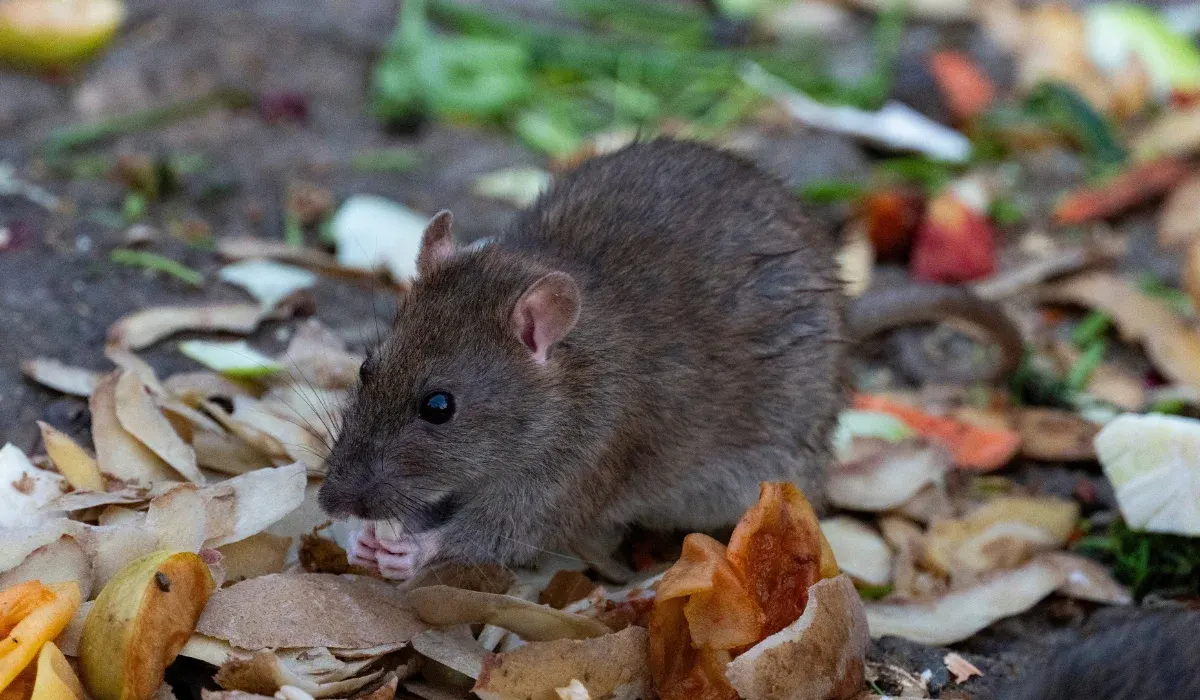
The roof rat goes by several names, including black rat, house rat and ship rat. It is smaller and sleeker than the Norway rat, and its tail is longer than its head and body combined. Adults weigh about 5 to 10 ounces and have a gray to white belly.
Height is the roof rat's comfort zone. UC IPM's guide to rats explains that outdoors they nest aboveground in shrubs, trees and dense vines such as ivy. Indoors, they choose enclosed, high spaces like attics, wall voids, ceiling voids and upper cabinets. They come out mostly at night and often travel along overhead utility lines and fence tops.
They are also wary. Roof rats avoid new objects even more than Norway rats do, so a trap or bait station set in their path can sit untouched for days. That caution is one reason trapping takes patience.
Roof Rats vs Norway Rats
The two DFW rats split the house between them. Norway rats are bigger and stockier, at about 7 to 18 ounces. They burrow, swim well and usually move in at ground level, under slabs, in crawl spaces and in garages. Roof rats climb better than they swim and work from the top down, so the attic is where you hear them first.
The tail settles most sightings. Fold a roof rat's tail over its back and it reaches at least to the snout, while a Norway rat's tail falls short of the head. Each species leaves the same basic signs, but where you find them points to which one you have. Droppings and gnawing in the attic suggest roof rats, and burrows along the foundation suggest Norway rats.
How Roof Rats Get Into a DFW House
Roof rats use the yard as a ladder. A limb that hangs over the roof, a vine on the wall or a power line running to the eave gives them a path straight to the roofline. From there, they slip into gaps around roof and soffit vents, loose fascia boards and the spots where the roof meets the wall.
They use low routes too. On DFW homes, the most common way in for any rat is the gap around the HVAC line where it passes through the wall. Other low openings and crawl space vents come next. Brick weep holes are usually too small for a rat to fit through. Any opening larger than 1/4 inch deserves a closer look, though, because rats can gnaw a tight gap wider.
What Draws Roof Rats to DFW Homes
DFW yards give roof rats food and travel routes at the same time. Pecan trees are everywhere here, and roof rats feed on nuts and fruit wherever they can climb to them. The table below lists the conditions that bring roof rats to a house and the change that helps for each.
| Condition | Why it draws roof rats | What to change |
|---|---|---|
| Tree limbs over or near the roof | A bridge to the roof and attic vents | Cut limbs back to at least 6 feet from the roof |
| Ivy, star jasmine or honeysuckle on walls and fences | Cover and a climbing route | Thin the vines or remove them |
| Pecan and fruit trees | Steady food in season | Pick up fallen nuts and fruit |
| Pet food left outside | An easy nightly meal | Feed pets what they eat in one sitting, and bring bowls in at night |
| Woodpiles and cluttered garages | Sheltered nesting spots | Cut clutter and keep stacked wood off the walls |
| Utility lines running to the eave | An overhead highway | Ask the utility company or a pest professional about guards |
Roof rats may nest in one yard and feed in another, so a neighbor's fruit tree can feed the rats in your attic.
When Roof Rats Are Most Active
Roof rats stay active all year, and most of that activity happens after dark. That is why the first sign is often scratching or scurrying overhead at night, when the house is quiet. In the yard, look for nuts and fruit with small holes gnawed into them, or hollowed rinds still hanging on the tree.
Attic noise deserves quick attention. Roof rats gnaw on wiring and shred insulation for their nests, and UC IPM warns that gnawed wires in an attic can cause electrical sparks and fires.
How Roof Rats Are Handled
Removal works in a set order. First, we seal every entry point, including the roofline gaps that roof rats favor. Next, we trap the rats still inside the attic for about a week, setting traps where the droppings and rub marks show activity. After that, exterior bait stations go out as ongoing maintenance, secured where children and pets can't reach them, and we check them every quarter.
The full method is on the page about rat control for DFW homes, and Richardson homeowners can find local details on Forterra in Richardson. A look inside your home for rodents is free, and pricing is available online or over the phone.
Roof Rat FAQ
Will roof rats leave on their own?
Rarely. An attic gives them insulation for nesting and shelter from the weather, and a pecan or fruit tree nearby gives them food. They stay until someone seals the entry points and removes the rats inside.
Do roof rats come down from the attic?
Yes, to eat. They nest high but leave at night to feed, often in nearby trees or yards. A roof rat can sleep in your attic and eat in a neighbor's pecan tree.
Can I just trim my trees to get rid of roof rats?
Trimming cuts off one route, but it won't remove rats already inside. Someone still has to trap them out and seal the roofline gaps they used, so new ones can't follow.