What Attracts Rats to Your House?
Rats come to a house for food, water and a warm, hidden place to nest. Pet food, pantry goods, garbage and fallen fruit draw them close, while leaks give them water and attics full of insulation give them a nest. In DFW, summer heat and winter cold snaps push them toward houses as well.
On this page

The Food That Draws Rats Inside
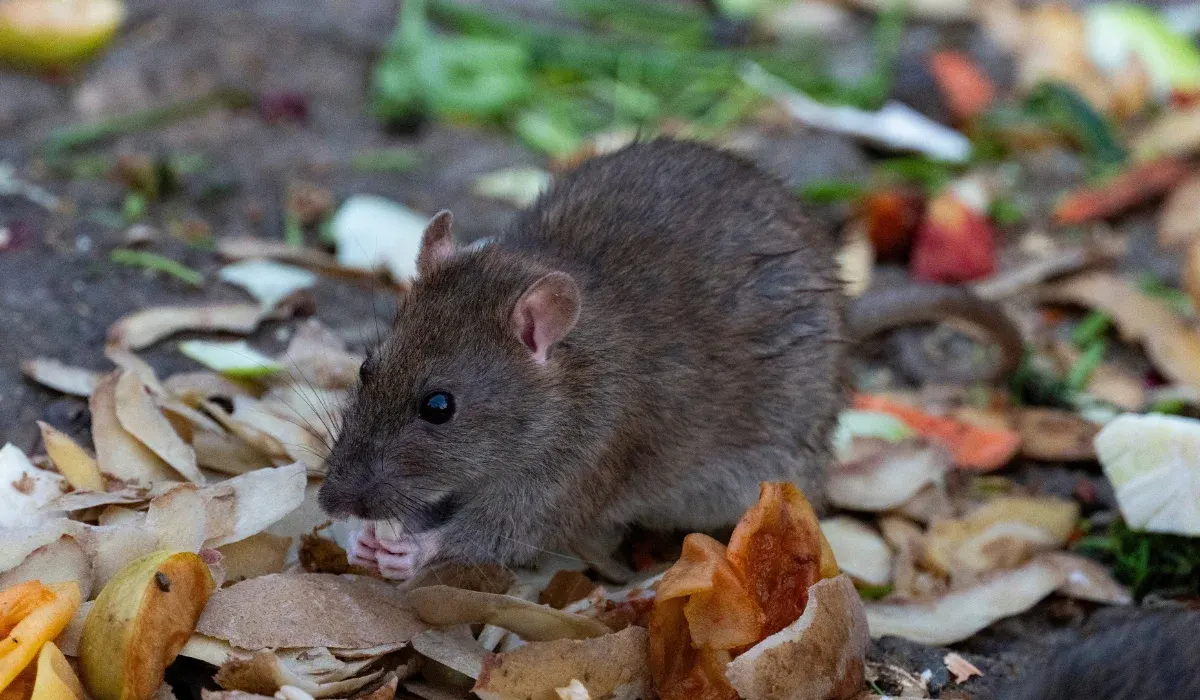
The two rats in DFW have different tastes. According to UC IPM's guide to rats, roof rats prefer fruit, tree nuts, berries and snails, while Norway rats favor grains, meat, fish and nuts. Both will eat whatever food is easiest to reach.
Inside a house, that means anything stored in paper, cardboard or thin plastic. Bags of dog food and birdseed in the garage are the classic draw, since they sit on the floor near a door and hold weeks of meals. Cereal, flour, rice and snacks in a pantry come next, followed by grease on the stove, crumbs under appliances and garbage in an open kitchen can. Outside, fallen pecans and fruit in the fall bring roof rats right up to the walls.
What Attracts Rats Room by Room
Walking through the house with a rat's priorities in mind shows where the pull is strongest. The table below lists what draws rats in each area and what to change.
| Area | What draws rats | What to change |
|---|---|---|
| Kitchen and pantry | Dry goods in boxes, crumbs, grease, open trash | Move food to hard containers, clean under the stove and fridge |
| Garage | Pet food, birdseed and grass seed bags, clutter | Store feed in lidded metal or hard plastic bins, clear the floor |
| Attic | Insulation, stored boxes, warmth, quiet | Keep stored items in sealed bins, check for gnawed insulation |
| Laundry and water heater closet | Warmth, drips, lint and fabric | Fix leaks, keep the floor clear, close gaps around pipes |
| Outside walls and roofline | Trees and vines touching the roof, AC line gaps | Trim branches back, remove climbing vines from walls |
The yard plays a part too, with bird feeders, compost and woodpiles holding rats close before they ever try the house.
Water, Warmth and Nesting Material
Food is only one draw. Rodents come to buildings to find water and escape extreme temperatures, according to AgriLife Today's 2023 story on Texas heat driving pests indoors. The same report quotes Janet Hurley, Texas A&M AgriLife's IPM specialist in Dallas. During a long DFW summer, a dripping water heater, a sweating AC line or a leak under the sink may be the most reliable water around.
Cold does the same thing from the other side. When the first fronts arrive, a warm attic or garage wall becomes the best shelter on the street. Rats also need soft material for nests, and a house is full of it. UC IPM notes that they shred insulation in walls and ceilings, and they pull apart cardboard, paper and fabric in stored boxes.
Why Rats Suddenly Appear
Rats rarely arrive out of nowhere. Often something nearby changed. A neighbor cleared brush or removed a woodpile, or a builder graded a vacant lot. Sometimes a food source down the street disappeared, and the rats went looking for a new one. Seasons matter as well, since summer heat sends them after water and fall cold sends them after shelter.
The other common trigger is a new opening. A gap around a new AC line, a worn garage door seal or a branch grown over the roof can open up a house that rats ignored for years. Rodents need only about a quarter inch to start working their way in, roughly the width of a dime.
What Attracts Rats to a Trap
Rats are cautious with anything new. UC IPM explains that they often avoid new objects and new foods for the first several days, sometimes longer, and roof rats are the most wary. That's why a trap can sit untouched for a week and then start catching rats.
Placement matters more than the bait. Traps work best along walls, in spots where droppings and greasy rub marks reveal a regular runway. A pea-sized amount of bait is enough, and nuts, dried fruit, bacon or a piece of dry pet food all work. Our technicians seal the openings before trapping, so no new rats can replace the ones the traps remove.
Rat Attractant FAQ
What smells attract rats?
Food smells do. Grease, pet food, garbage, ripe fruit and nuts draw rats more than any single scent. No reliable "rat magnet" smell exists beyond the food they already like.
Does a clean house keep rats away?
A clean house helps, but it isn't enough on its own. Rats looking for water, warmth or a nest will still move in through any open gap, so sealing the house matters as much as storing food.
Will rats leave if there's no food?
Not if they can find water and shelter inside. Rats sealed in a wall or attic stay put, which is why trapping follows sealing. On a rodent call, our inspection inside the house costs nothing, and you can see how rodent control across DFW works.
If rats have already moved in, rodent control in Dallas starts with an inspection inside the house, and you can price the work online.