How Do You Identify Baby Cockroaches?
Think you’ve found baby roaches in Dallas? Learn how to identify them early and stop infestations before they grow with Forterra Pest Control experts.
On this page
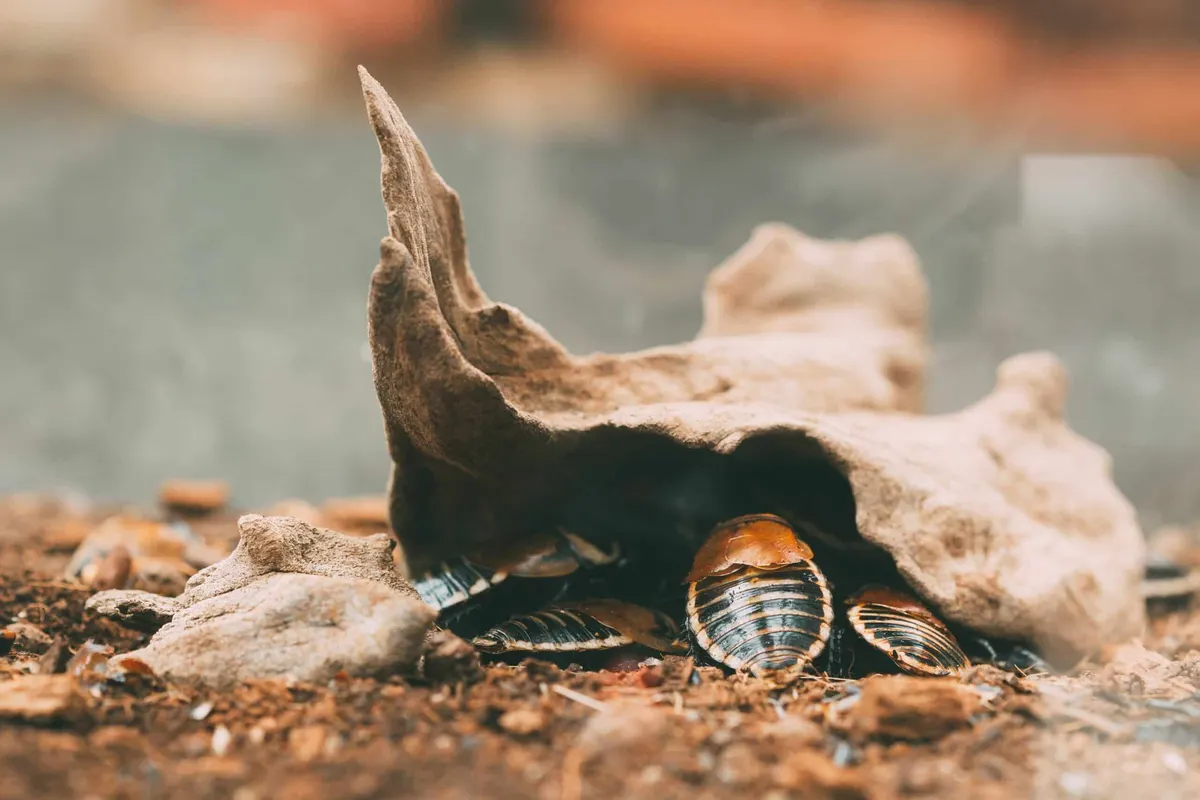
Dealing with unwanted pests in your home can be unsettling, especially when it comes to baby cockroaches. Not only are these small intruders unpleasant to look at, but they can also carry diseases. Given Dallas' warm and humid climate, which is perfect for cockroach infestations, it's crucial to quickly identify and address the problem.
So, how can you tell these tiny terrors apart from their parents? What are the telltale signs that you've got baby cockroaches in your Dallas homes? This article will help you recognize baby cockroaches in your Dallas home and offer helpful tips on effectively dealing with these unwelcome visitors.
What Are Baby Cockroaches?
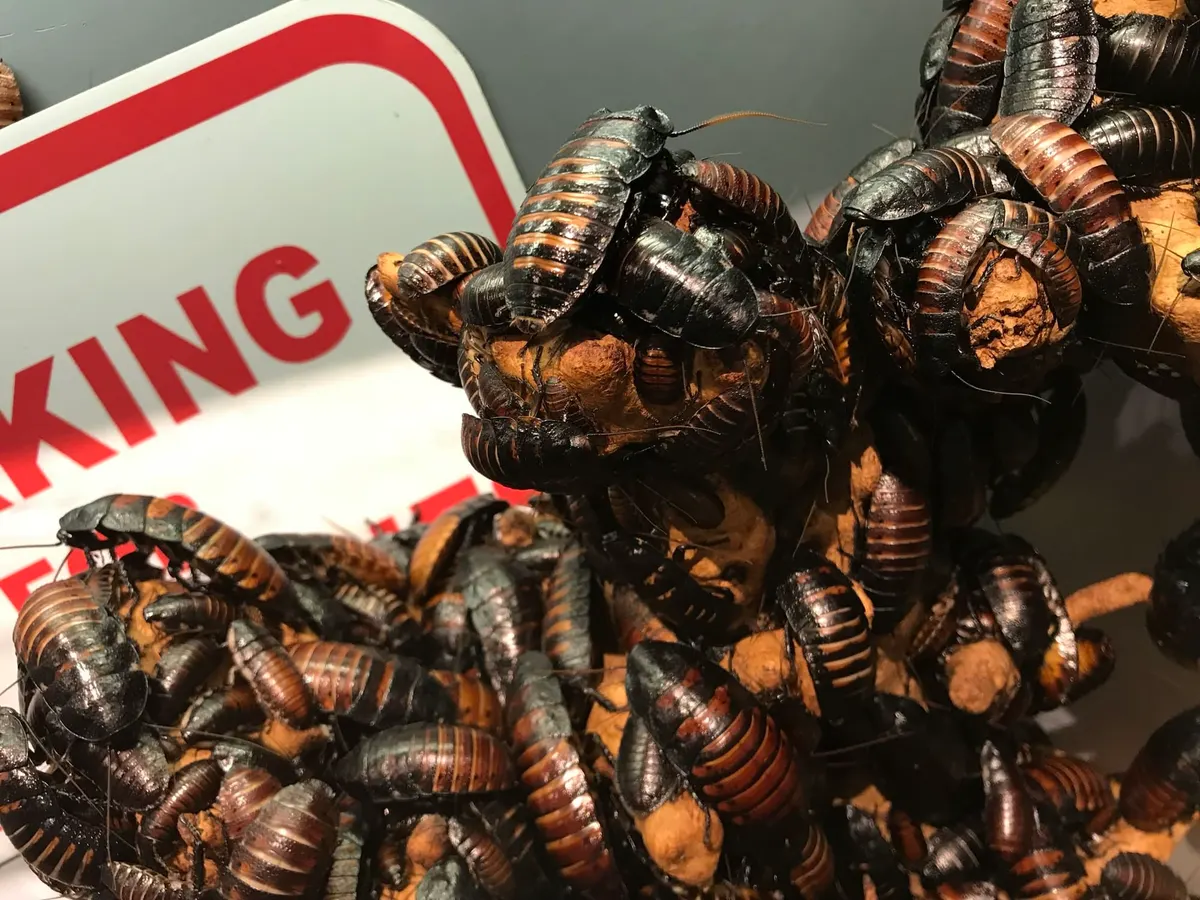
Before we dive into identification, we must understand what baby cockroaches are and why they are a concern. Baby cockroaches, also known as nymphs, are the immature stages of cockroaches. They hatch from cockroach eggs and go through several molting stages before reaching adulthood. These young cockroaches are smaller and lack wings, but they have the same general appearance as adult cockroaches. Despite their small size, baby cockroaches can still pose a threat as potential carriers of diseases and can quickly grow into a full-blown infestation if not addressed promptly.
The Dangers of Baby Cockroaches
The presence of baby cockroaches itself indicates the potential danger of a larger infestation. Baby cockroaches, also known as nymphs, are often a sign that there is an established breeding population nearby. These tiny pests can quickly multiply and spread throughout your home or property if left unchecked.
Baby cockroaches may seem harmless due to their size, but they pose significant risks to your health and home. Here are some of the dangers they bring:
a. Disease transmission: Cockroaches can carry harmful bacteria and pathogens on their bodies, potentially spreading diseases to humans. The presence of baby roaches increases the likelihood of disease transmission, especially in areas where they crawl.
b. Allergens: Cockroach allergens can trigger asthma and allergies in sensitive individuals. As baby cockroaches explore your home, they shed skin and excrete allergenic proteins that can become airborne, posing a health risk.
c. Population growth: Ignoring baby cockroaches means neglecting a potential infestation. These nymphs will mature into adult roaches and reproduce, leading to an even more significant problem.
Now, let's move on to the crucial aspect of this article, how to identify baby cockroaches in your Dallas home.
Recognizing Baby Cockroaches
Identifying baby cockroaches can be challenging due to their small size and pale coloration. However, some several key features and signs can help you spot them:
a. Size and color: Baby cockroaches are typically smaller than adults, ranging from 1/8 to 1/4 inch in length. They are light brown to almost translucent, making them stand out against darker surfaces.
b. Absence of wings: Unlike adult cockroaches, nymphs do not have wings. Their underdeveloped appearance can help distinguish them from their mature counterparts.
c. Active at night: Baby cockroaches are nocturnal, so you are more likely to spot them when you turn on the lights in the dark. Look for them in kitchens, bathrooms, and other areas where food and moisture are prevalent.
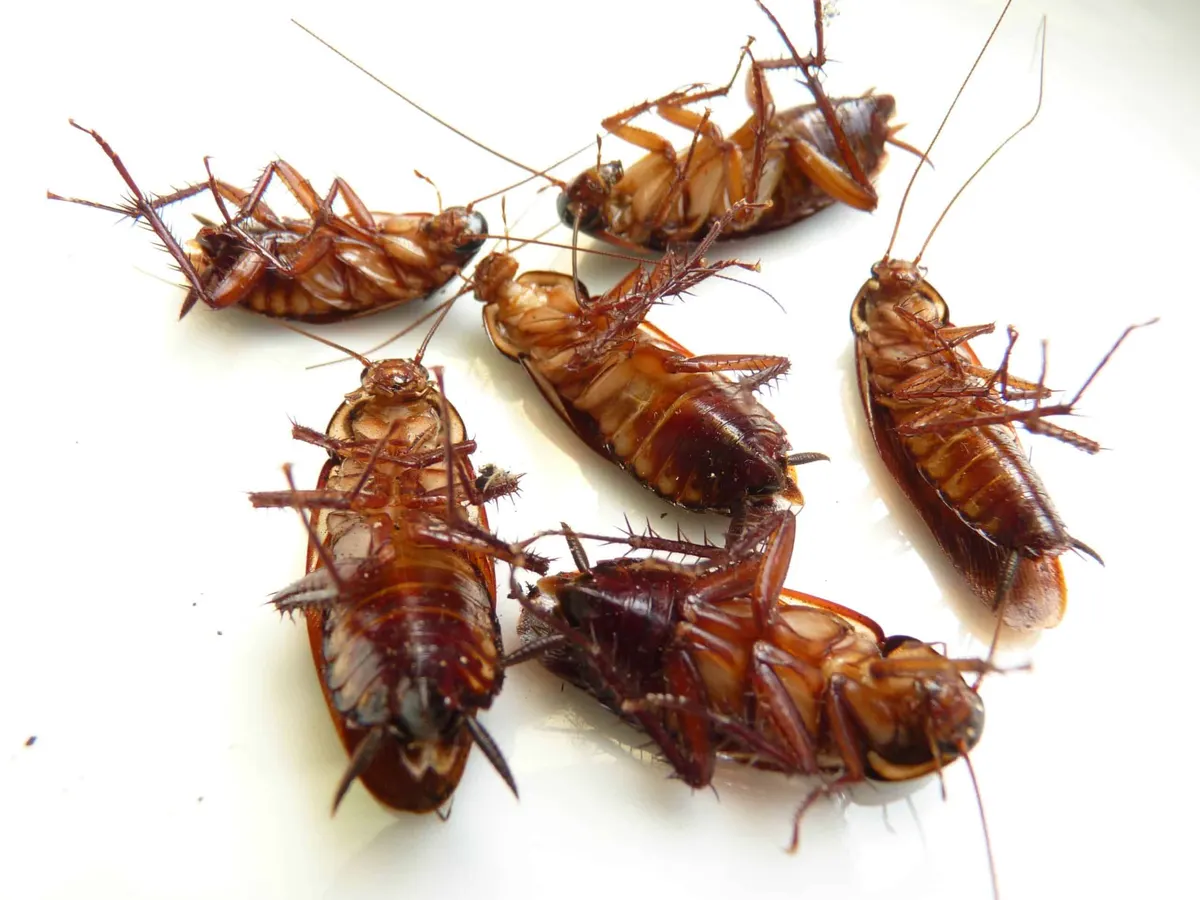
d. Feces and shed skin: Keep an eye out for tiny droppings that resemble ground coffee or black pepper. These are cockroach droppings, and their presence indicates an infestation. You may also find shed skins, as baby cockroaches molt several times as they grow.
e. Musty odor: Cockroaches emit a distinct, musty odor. If you notice an unpleasant smell in your home, it could be a sign of their presence, especially if you can't spot them visually.
Where to Look for Baby Cockroaches
Now that you know how to identify baby cockroaches, let's explore where you should look for them in your Dallas home:
a. Kitchen: Cockroaches are drawn to food sources, making the kitchen a prime target. Check under appliances, inside cabinets, and around drains for signs of nymphs.
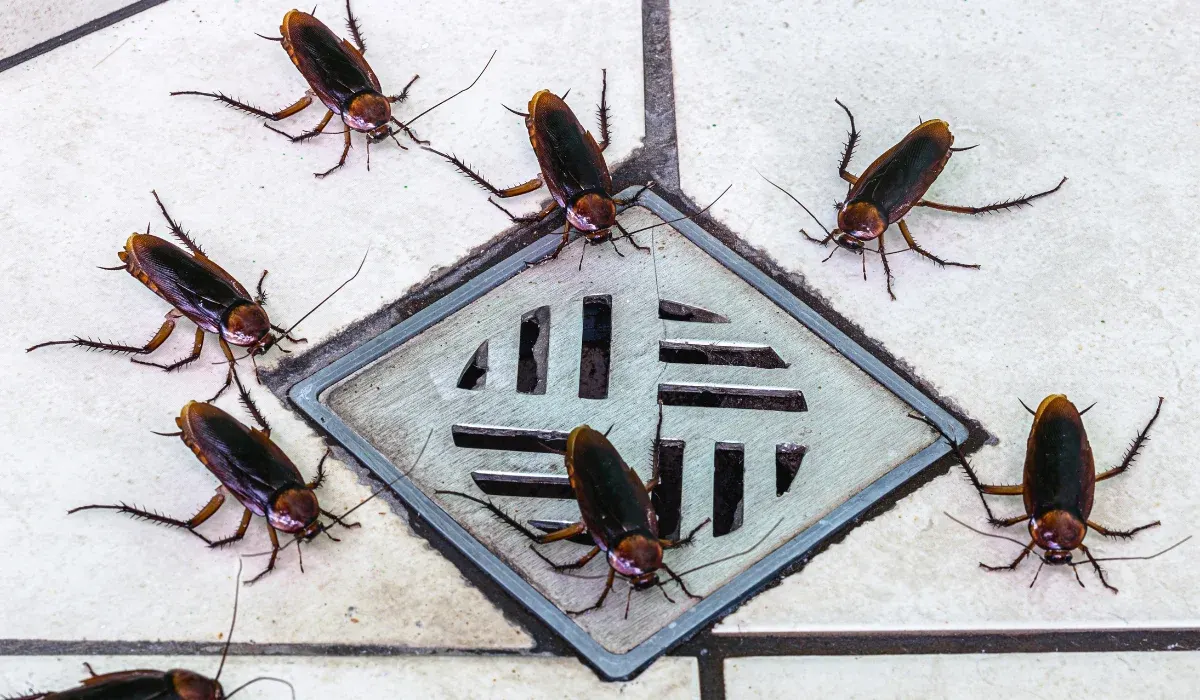
b. Bathrooms: Cockroaches seek moisture, so bathrooms are another common hiding place. Inspect the area around sinks, toilets, and drains.
c. Cracks and crevices: Roaches are skilled at finding tight hiding spots. Check gaps in walls, baseboards, and other areas where they could squeeze in.
d. Electrical outlets: Cockroaches may enter your home through electrical outlets. Consider using outlet covers to prevent their entry.
e. Dark, warm spaces: Cockroaches prefer dark and warm environments. Attics, basements, and crawl spaces are areas where you might find them.
Preventing and Eliminating Baby Cockroaches
Once you've identified baby cockroaches in your Dallas home, it's crucial to take immediate action to prevent their infestation from growing. Here are some steps to consider:
a. Clean and declutter: Although cockroach can infest even the cleanest homes, it is important to maintain good sanitation practices to minimize the likelihood of an infestation. Most likely, roaches thrive in cluttered and dirty environments. Regularly clean your home, paying special attention to areas where food is prepared and consumed.
b. Seal cracks and gaps: Seal any cracks and gaps in your home to prevent roaches from entering. Use caulk to fill openings around pipes, windows, and doors.
c. Store food properly: Keep food in airtight containers, and don't leave crumbs or spills unattended. This will remove their food source and discourage their presence.
d. Fix leaks: Cockroaches need water to survive, so repair any plumbing leaks to eliminate moisture sources.
e. Hire a professional pest control service: If you have a significant cockroach problem, it's best to call a pest control in Dallas. They have the knowledge and tools to effectively eliminate these pests and prevent future infestations.