How to Spot and Stop Smokybrown Cockroaches
A smokybrown cockroach is a large outdoor roach, about 1 to 1½ inches long and dark mahogany brown to nearly black all over, with no pale markings behind its head. Its wings reach past the tip of its body, and it flies well. It lives in trees, mulch and woodpiles, and it usually gets indoors high on the house, through the attic or roofline.
On this page
How to Identify a Smokybrown Cockroach
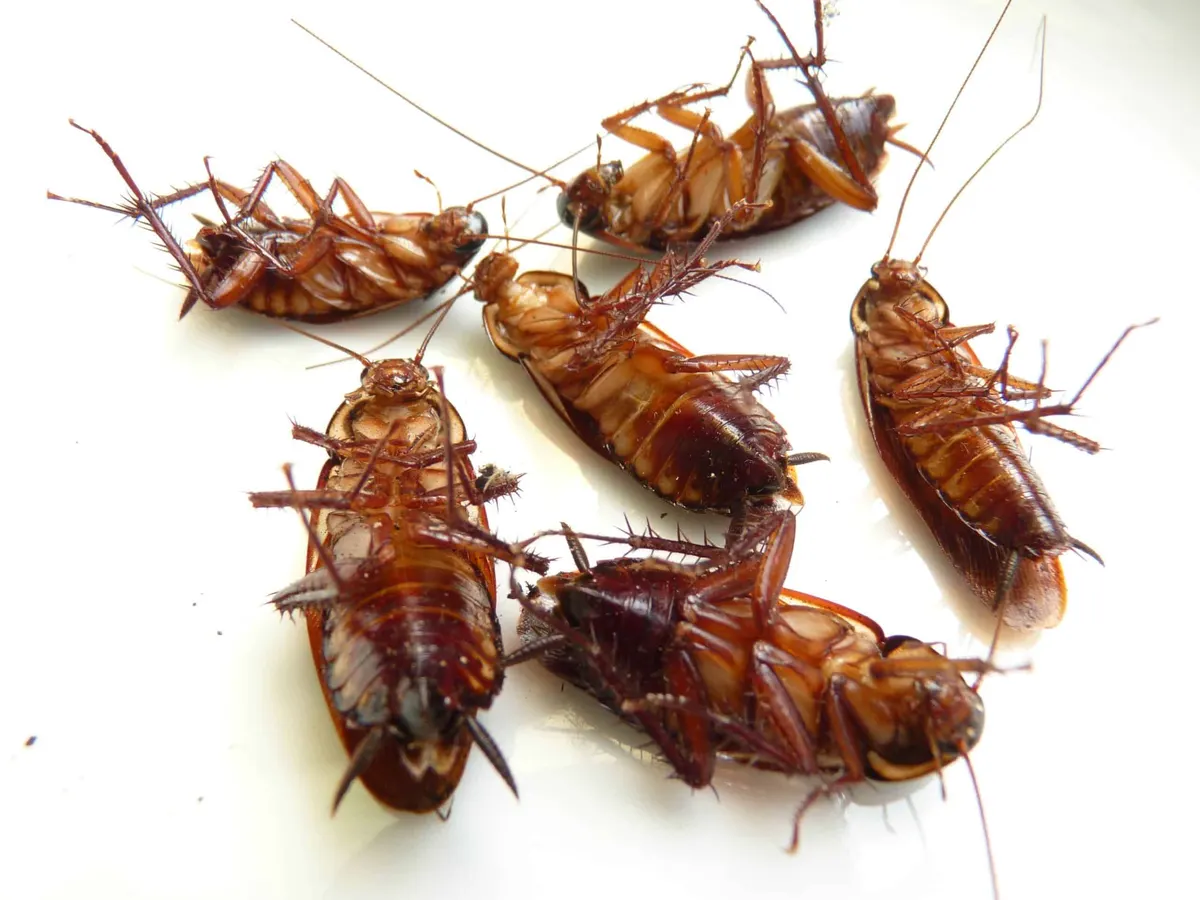
Color is the giveaway. Texas A&M's smokybrown cockroach profile describes a dark brown to black body with a solid dark shield behind the head. Both sexes have wings longer than the body, and the antennae are at least as long as the body. The roach you'll most often confuse it with, the American cockroach, is bigger and reddish brown, with a pale yellow ring around that shield.
Young smokybrowns look different from adults. UC IPM's cockroach guide describes the nymphs as dark brown, with white tips on their antennae and white bands across their backs. Females drop a dark brown egg case about 3/8 inch long, and 20 or more nymphs can hatch from one case.
Where Smokybrowns Live Around Your Home
Smokybrowns need high humidity, so they stay where shade and moisture last through the day. This table lists the spots they use most around a house and what to change in each one.
| Spot | Why smokybrowns use it | What to change |
|---|---|---|
| Tree holes and hollow limbs | Shaded, humid cavities above the ground | Trim back limbs that touch the roof |
| Mulch beds by the foundation | Damp cover right next to the wall | Keep mulch thin and a few inches back from the slab |
| Firewood and lumber stacks | Dark gaps that hold moisture | Raise the pile on a rack and keep it well clear of the walls |
| Clogged gutters and roof valleys | Wet leaves at roof level | Clean gutters in spring and fall |
| Gaps under shingles or siding | A sheltered route into the walls and attic | Repair loose siding and damaged shingles |
| Water meter and irrigation boxes | Cool, damp and rarely opened | Clear out debris and check for leaks |
| An attic with a roof leak | Warm, humid air and wet wood | Fix the leak and dry out the insulation |
How Smokybrowns Get Inside
Most roaches come in low, but smokybrowns often start up high. They climb from branches onto the roof, crawl under loose shingles and siding, and slip in through gaps around soffits and attic vents. Once inside, Texas A&M notes, they usually stay in the attic or near the fireplace.
Light pulls them in too. Adults fly toward porch lights and lit windows on muggy nights, then walk in through an open door or a torn screen. Swapping to warm yellow porch bulbs cuts down the bugs that gather there, but it won't turn every smokybrown away.
Are Smokybrown Cockroaches Dangerous?
They rarely bite and don't sting, but they shouldn't share your home. Like other roaches, smokybrowns crawl through decaying leaves, trash and drains, then walk across counters and food. The EPA lists cockroach droppings and body parts as asthma triggers, and those allergens matter most for children with asthma.
The good news is that smokybrowns don't breed inside kitchens the way German cockroaches do. A smokybrown in the house usually means it wandered in from outside or settled in the attic, so the fix starts outdoors.
How to Get Rid of Smokybrown Cockroaches
Start with the outside of the house, because that's where the population lives. Trim branches back from the roof, clean the gutters, pull mulch away from the foundation and move firewood off the ground. Then seal the openings, including gaps around pipes, loose siding, damaged soffits and torn vent screens.
Indoor sprays and gel baits won't solve a smokybrown problem. Gel baits are the right tool for German cockroaches, which breed indoors, but smokybrowns breed outside. Our cockroach treatment for DFW homes handles outdoor species with a treated perimeter, a roofline check and sealed entry points.
Smokybrowns in Coppell
Many Coppell neighborhoods have tall shade trees, thick landscaping and creek greenbelts close to the backyard. That gives smokybrowns everything they need, with humid cover by day and branches that lead straight to the roof. Summer storms and long dry spells can both push them toward houses as they look for new shelter. Coppell homes get regular visits from our Southlake office through pest control in Coppell.
Smokybrown Cockroach FAQ
Do smokybrown cockroaches fly?
Yes. Both males and females have full wings and fly well, often toward lights after dark. They're among the strongest fliers of the large roaches in DFW.
Can smokybrown cockroaches live in your house?
They can live in an attic, wall void or crawl space for a while, especially where a roof leak keeps things damp. They rarely set up in kitchens and cabinets like German roaches, and most of the population stays outside.
What's the difference between a smokybrown and an American cockroach?
The American cockroach grows to about 2 inches, with reddish brown wings and a light ring circling the shield behind its head. A smokybrown is smaller, darker and evenly colored from head to wingtip.
Big dark roaches in the attic or on the porch usually point to smokybrown cockroaches living around the roof. Get a quote through our site or on a call, and a technician will trace the roofline gaps they're using.