What Diseases Do Rats Carry?
Rats carry leptospirosis, rat-bite fever, salmonellosis and hantavirus, and the fleas on them spread flea-borne typhus. In Texas, typhus is the rat-linked illness people catch most, and DFW is one of its newer hot spots. Most infections start with urine, droppings, saliva, a bite or a flea, not with seeing a rat.
On this page
Diseases Rats Carry at a Glance
Each disease reaches people a different way, so the risk depends on what you touch, breathe or eat. This table sums up the main ones and the early signs to watch for.
| Disease | How it reaches people | Early signs |
|---|---|---|
| Flea-borne typhus | Bites from infected fleas that live on rats | Sudden fever, headache, chills, body aches, rash |
| Leptospirosis | Water, soil or food tainted with rat urine | Fever, muscle aches, headache, vomiting, yellow skin |
| Rat-bite fever | Bites, scratches or food tainted by rats | Fever, vomiting, joint pain, rash |
| Salmonellosis | Food or counters soiled by droppings | Diarrhea, fever, stomach cramps |
| Hantavirus | Breathing dust from dried urine and droppings | Fever, aches, then trouble breathing |
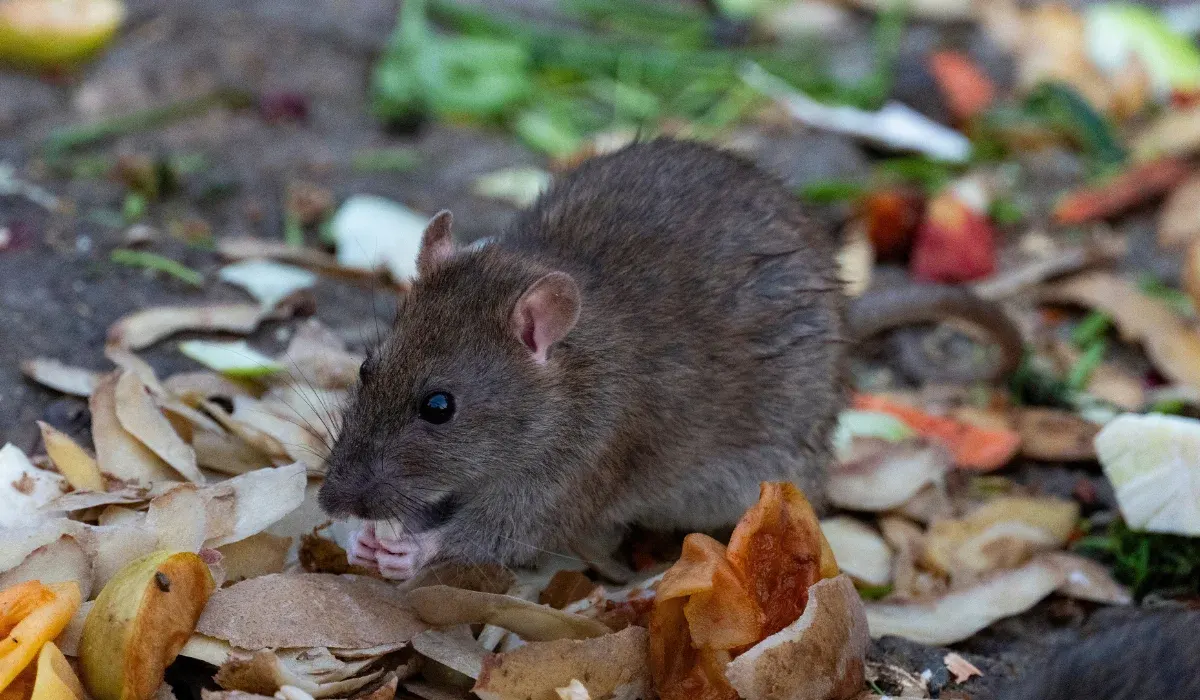
A rat that carries any of these usually looks perfectly healthy. The CDC's page on wild rodent infestations points out that many of these diseases cause no visible illness in rodents. You can't judge the risk by looking at the animal.
Flea-Borne Typhus Is the Big One in Texas
Texas reports more flea-borne typhus than any other state. The Texas Department of State Health Services typhus page counts more than 8,600 cases between 2008 and 2025, with a record 1,110 in 2025. Most cases still come from South Texas, but the state now lists the DFW area among its newer hot spots, along with Greater Houston, Austin and San Antonio.
| Year | Value |
|---|---|
| ’08 | 0 |
| ’09 | 0 |
| ’10 | 1 |
| ’11 | 0 |
| ’12 | 0 |
| ’13 | 4 |
| ’14 | 3 |
| ’15 | 5 |
| ’16 | 7 |
| ’17 | 43 |
| ’18 | 48 |
| ’19 | 36 |
| ’20 | 52 |
| ’21 | 77 |
| ’22 | 134 |
| ’23 | 106 |
| ’24 | 166 |
| ’25 | 137 |
Cases by county of residence. The 2024 and 2025 counts are provisional. Source Texas DSHS.
Rats and their fleas keep the germ going in nature, and opossums and outdoor cats can share the same fleas. A person gets sick when an infected flea bites, or when scratching rubs the germ into the bite. Fever, headache, chills and a rash usually start suddenly, and DSHS notes that antibiotics treat it easily when started early.
DSHS gives one piece of advice that surprises most people. Treat for fleas before you start trapping or baiting rodents. Otherwise, the fleas leave dead rats and look for a new host, and that can mean a pet or a person in the same room.
Leptospirosis and Rat Urine
Leptospirosis comes from bacteria that rats shed in their urine. The germ survives in puddles, wet soil and standing water. People pick it up by touching that water or soil, especially with cuts on their skin, or by eating or drinking something tainted. The CDC notes that the risk rises after heavy rain and flooding, which in DFW often means the days after a spring storm leaves water pooled in yards and garages.
Symptoms show up anywhere from 2 to 30 days after contact, and some people never feel sick at all. Dogs catch leptospirosis from the same puddles, so a rat problem in the yard matters for pets as much as people.
Rat-Bite Fever and Salmonella
Rat-bite fever spreads through the bacteria that live in a rat's mouth and nose. A bite or scratch is the usual route, but food or water soiled by rats can pass it on too. A CDC report found that about 30% of patients never recalled a bite or scratch, which is why handling a trapped rat bare-handed is a bad idea.
Salmonella travels in rat droppings. A rat that runs across a pantry shelf or kitchen counter at night can leave enough germs behind to make someone sick the next day. Throwing out gnawed food packages and cleaning counters before cooking cuts that risk.
Hantavirus Is Rare in Texas
Hantavirus gets plenty of attention, but Texas sees very few cases, usually somewhere between none and a handful a year. People catch it by breathing dust that rises from dried urine and droppings, usually while cleaning a closed-up shed, attic or cabin. The common house mouse isn't linked to it in the US. The same dust rule applies to every rodent mess, so wet droppings with disinfectant and let them soak before you wipe them up, rather than sweeping or vacuuming.
Lowering the Risk Around Your Home
Fewer rats means fewer chances to catch any of these diseases. Bring pet food inside at night, keep trash lids tight and clear brush and wood piles where rats and opossums settle. Indoors, the lasting fix is closing the gaps rats use and then trapping the ones already inside, the same order our rat removal and exclusion work follows. Irving homeowners can see what that looks like for their city on our pest control in Irving, TX page.
Rat Diseases FAQ
Can you get sick from breathing in rat droppings?
Yes, though it is uncommon. Dust from dried droppings and urine can carry hantavirus and other germs, which is why you should wet a mess with disinfectant before cleaning it. Cases of hantavirus in Texas are rare.
Do all rats carry diseases?
No, but you can't tell which ones do. Infected rats usually look healthy, so treat every rat, nest and pile of droppings as a possible source and avoid touching them with bare hands.
Can my dog get sick from rats?
Yes. Dogs can catch leptospirosis from water or soil tainted with rat urine, and fleas from rats can move onto pets. Keep pets on a flea preventive and away from areas where rats have been active.
Scratching in the attic or droppings in the garage are the signs to act on. Request a quote online or call our team, and we'll find the gaps rats are using and close them.