Are Raccoons Rodents?
No, raccoons are not rodents. Raccoons belong to the order Carnivora and the family Procyonidae, so their closest relatives are ringtails and coatis, and more distantly bears and weasels. Rodents form a separate order, Rodentia, defined by front teeth that never stop growing.
On this page
What Makes an Animal a Rodent
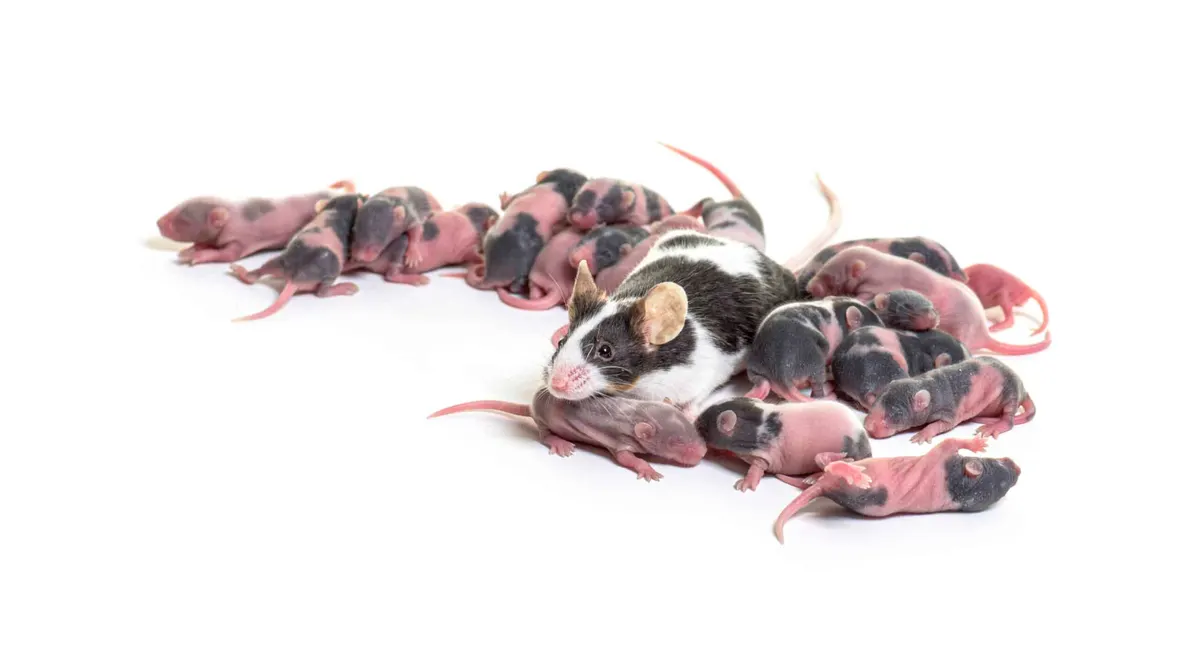
Rodents are the largest order of mammals, with more than 2,000 species. Rats, mice, squirrels and beavers all belong to it. What unites them is their teeth. Every rodent has one pair of upper and one pair of lower incisors that grow for its whole life, so it has to gnaw constantly to keep them short. That habit is why rats and mice chew through wood, plastic and electrical wiring.
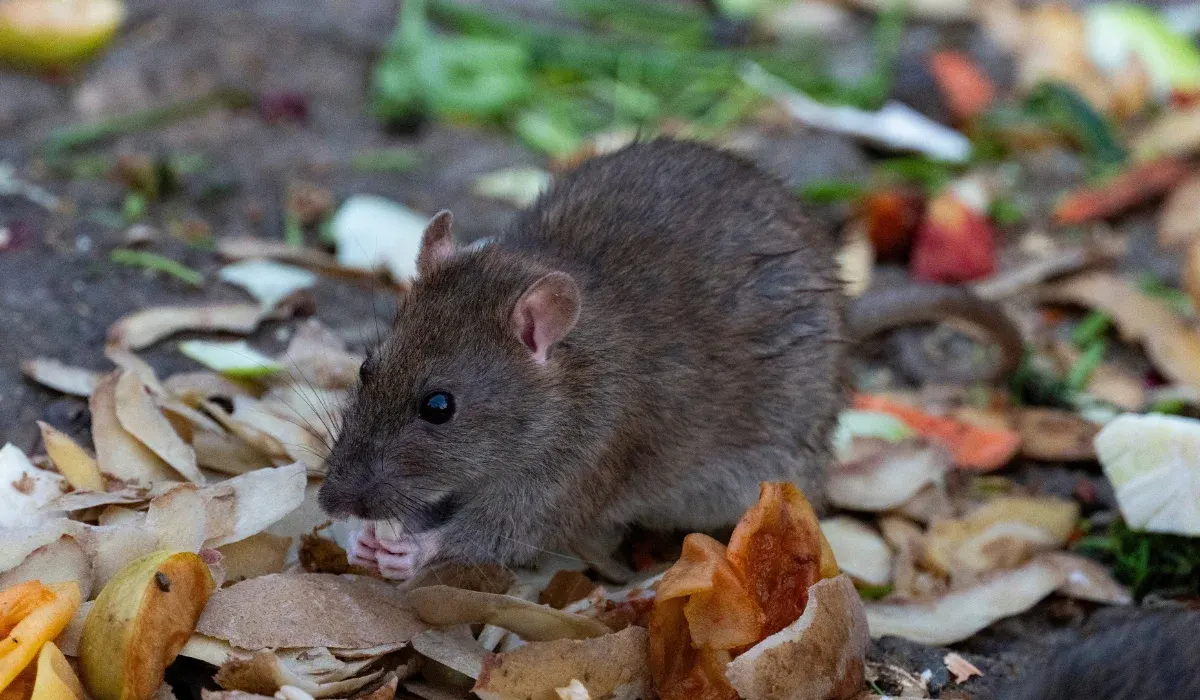
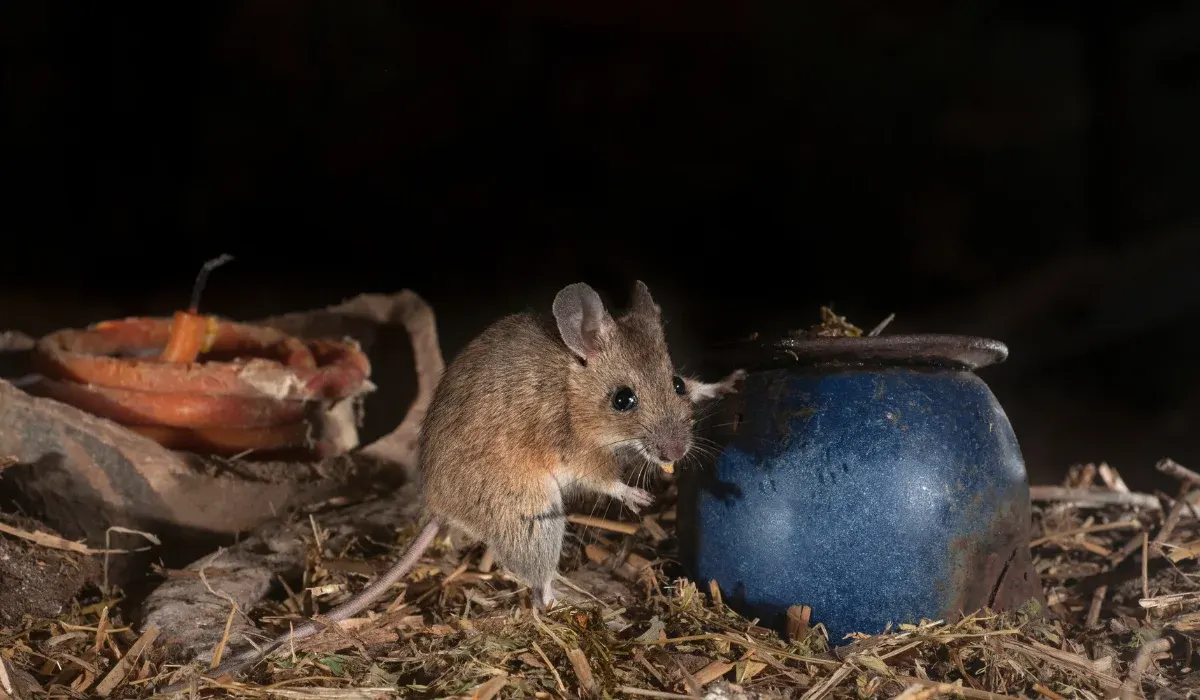
Rodents also have no canine teeth. A wide gap separates their incisors from their cheek teeth. The rodents that most often get into DFW homes are roof rats, Norway rats and house mice, and mice need only a dime-sized opening.
How Raccoons Differ From Rodents
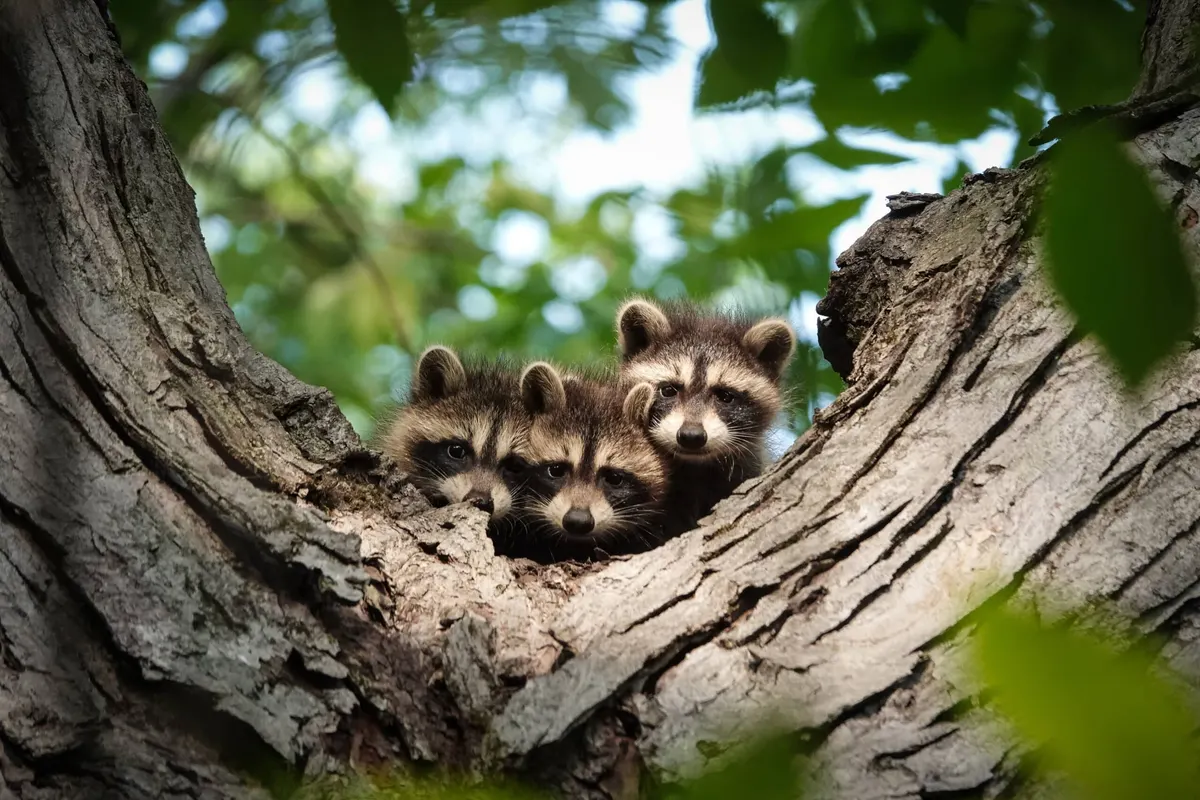
Raccoons sit in a different branch of the mammal family tree. Their family, Procyonidae, includes the ringtail and the white-nosed coati, and Texas is home to both. Ringtails live across much of the state, and coatis turn up rarely in far South and West Texas.
A raccoon's mouth tells the story. It has 40 teeth, including long canines for tearing food, and like ours, its teeth stop growing once they come in. The table below compares raccoons with the rats and mice that get into homes.
| Feature | Raccoons | Rats and mice |
|---|---|---|
| Scientific order | Carnivora (family Procyonidae) | Rodentia |
| Front teeth | 12 small incisors plus long canines | 4 incisors that never stop growing, no canines |
| Adult size | 7 to 20 pounds | Under an ounce (mice) to about a pound (rats) |
| Front feet | 5 long fingers that grip like hands | 4 toes |
| Diet | Fruit, nuts, insects, frogs, eggs, small rodents, garbage | Omnivores that favor seeds, grains and stored food |
| Way into a home | Tear through roof vents, soffits and chimney caps | Squeeze through small gaps and chew them wider |
Raccoons Around DFW Homes
Raccoons thrive in DFW because the metro gives them everything they need. Creek greenbelts, older neighborhoods with big trees, and open trash cans keep them close to houses. According to Texas Parks and Wildlife's raccoon profile, raccoons sleep through cold spells but do not hibernate, so they stay active all year in our mild winters. The same profile notes that raccoons fed by people lose their fear of humans and move closer to the food source, which often means your attic.
Raccoons also carry health risks. They can carry rabies, and their droppings can hold the eggs of raccoon roundworm, a parasite that can infect people who accidentally swallow them. The CDC's page on raccoon roundworm explains how infection happens. Never feed or handle a raccoon, and keep children and pets away from raccoon droppings.
Do Raccoons Keep Rats Away?
No. Raccoons eat small rodents now and then as part of a broad diet, but they don't hunt rats often enough to control them. In practice, a yard that draws raccoons often draws rats too. Both go for the same things, including pet food left outside, spilled bird seed, fallen fruit and trash cans with loose lids. If you see raccoons and also hear scratching in the walls at night, treat it as two separate problems. Our rat control page covers how rats get into DFW homes and how we keep them out.
What to Do About Raccoons
Prevention starts with food and shelter. Bring pet food in at night, use trash cans with locking lids, and clean up fallen fruit and bird seed. Cap the chimney, screen attic and soffit vents, and trim branches that reach the roof. These steps make a house less attractive to raccoons and rodents at the same time.
Forterra does not trap or remove raccoons. Raccoon removal is wildlife work, so call a wildlife control company if one moves into your attic. If a raccoon walks in circles, stumbles or acts aggressive in daylight, keep away and call your local animal control. Rats and mice are a different story, and our rodent control service seals the gaps they use to get in. When the signs point to rats or mice instead of a raccoon, our inspection inside the house is free, and a quote for the work takes about a minute online.
Raccoon and Rodent FAQ
What is a raccoon classified as?
A raccoon is a mammal in the order Carnivora and the family Procyonidae. That puts it closer to bears and weasels than to rats or squirrels.
Is it bad to have raccoons around your house?
Yes. Raccoons can tear into roofs and attics, and they can carry rabies. Their droppings can also contain raccoon roundworm eggs.
Where do raccoons go during the day?
Raccoons are almost entirely nocturnal. During the day they sleep in dens, usually hollow trees, but in neighborhoods they also use attics, chimneys and the space under decks.
Do raccoons eat rats?
Sometimes. Small rodents are part of a raccoon's diet, but raccoons eat whatever is easiest to find, so they are not a reliable way to get rid of rats.