
Silverfish Control in Dallas, TX
Damp voids and stored paper sustain silverfish, so your exterminator treats those voids through existing openings rather than spraying floors. Our silverfish control in Dallas also traces the moisture source, because drying it out is what stops the population rebuilding.
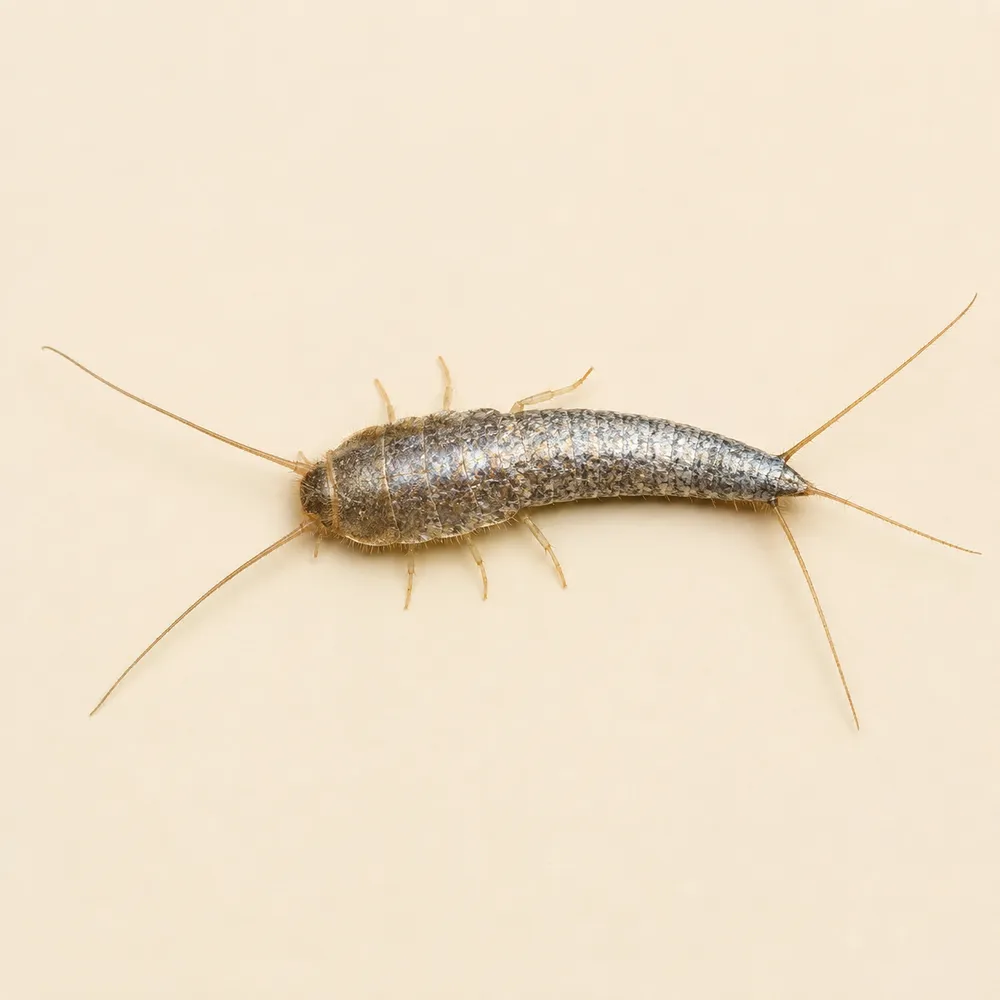
up close
Why choose Forterra for silverfish in Dallas
Damp soil beneath an older Dallas house on piers keeps the humidity silverfish need no matter how tidy the rooms above stay, and older bathrooms often add a slow leak nobody has traced. Their damage stays with paper, book spines and cardboard, never the structure. Forterra works the crawl space along with the house, explains which ventilation or drainage fixes would help, and seals the access with the Zero Gap System™. Licensed TPCL #850046.
Forterra Dallas.
Silverfish in Dallas homes usually trace back to damp under a raised floor, so the Dallas office deals with the voids below before sealing the rooms above.
Dallas, TX 75225
- Rating
- ★ 5.0 · 569 reviews
- Service
- Mon to Fri, 7:00am to 7:00pm
- Phones
- Phones answered 24/7
- License
- TPCL #850046
Why Silverfish Thrive in Dallas
Silverfish in Dallas homes follow damp and paper, and older properties supply both. Bathrooms with long-standing minor leaks, cabinets on an exterior wall, pier-and-beam crawl spaces and boxes of paper stored in a garage or attic all hold populations. They are slow-moving and nocturnal, so by the time anyone notices them they have usually been there a while.
Silverfish damage stays small, a chewed book spine or a stained box, but Dallas homeowners often learn about a hidden leak from where an infestation settles. A silverfish population is telling you where moisture is sitting, which on older stock is worth knowing for reasons beyond pest control. Your exterminator treats the harborage, then shows you the damp spots and the cardboard worth replacing, since prevention here comes down to moisture and storage.
569+ five-star reviews.
Serving Dallas.
"Excellent service from Parker Chapman"
"Excellent service"
"Chad was great and easy to talk to. I was able to provide my concerns and he provided ways to resolve the issues. He did a great job at my home and I would recommend him to anyone."
"Drake is professional, courteous, quite knowledgable and always a pleasure to have on property. He treats our property as if it were his own"
How Our Exterminators Treat Silverfish in Dallas
The insect is easy to treat and the conditions are the actual problem. On older Dallas housing the damp is usually a long-standing minor leak or a crawl space that never dries.
Find moisture
A silverfish population always maps to a moisture source.
Silverfish need humidity to survive, so a population always maps to a moisture source, a slow plumbing leak, an overflowing gutter wetting a wall, an unvented bathroom, a damp garage corner. The inspection finds that map.
Treat harborage
Crack-and-crevice treatment where they actually hide.
Targeted treatment goes into the cracks, voids and storage areas where silverfish hide by day, bathroom plumbing penetrations, closet corners, attic edges, rather than a surface spray they will simply avoid.
Starve them
Dry house, sealed storage, closed perimeter. Starvation diet.
You get specific fixes, the leak to repair, the gutter to clear, the storage to move into sealed bins. A dry house with paper in plastic is a house silverfish starve in, and the quarterly visits keep the perimeter closed.
Where Silverfish Get Into Dallas Homes
Silverfish in older Dallas homes come in through crawl space hatches and gaps behind aging bathroom vanities, then settle under cabinets on exterior walls.
- 01
Weep holes
Ground-moisture access at mulch level; screened so the wall breathes without boarders.
- 02
Utility penetrations
Plumbing penetrations lead to the damp wall voids silverfish colonize around bathrooms.
- 03
HVAC penetrations
Condensate humidity makes the mechanical wall the wettest exterior face of the house.
- 04
Dryer vent
Warm, moist and directly into the laundry, prime silverfish habitat when the damper fails.
- 05
Soffit gaps
Attic access matters because unsealed attics swing humid; storage boxes do the rest.
- 06
Gable vents
Torn screens let humid air and silverfish trade places seasonally; re-screened fine.
Ready when you are. Real prices online in about 60 seconds, phones answered 24/7.
Our Silverfish Control Process in Dallas
We treat harborage and then point at the damp and the stored cardboard, because without changing those the population simply rebuilds over a few months.
- 01
Transparent quote
The quote comes first, on screen in about a minute or read out over the phone, and it holds. Silverfish work rides the quarterly plan, so you see the monthly number, not an estimate range.
- 02
First-visit inspection
Your exterminator traces bathrooms, closets, attic, garage and pantry on the first visit, following the humidity that supports the population and the storage that feeds it.
- 03
Treat and advise
Crack-and-crevice treatment at the harborage, and a written list of the moisture and storage fixes that make it permanent.
- 04
Guaranteed results
Fresh damage or live sightings between visits get a no-charge follow-up. The plan's money-back guarantee holds while the humidity fixes do their slower work.
Dallas Silverfish Control FAQ
The answers cover why older houses suffer, bathroom and closet sightings, damage and whether fixing the crawl space solves it.
Because a raised floor over damp ground holds exactly the humidity they need, whatever you do in the rooms above. In much of older Dallas the crawl space is the real cause, and treating baseboards upstairs while that carries on underneath achieves very little. They are essentially a reading of the building rather than a comment on how you keep it.
It tells you a lot. Their distribution maps the moisture in a building, so the two rooms they show up in are the two rooms holding damp. A bathroom fan that vents into nothing, or a closet backing onto a shaded exterior wall, will stay humid while every other room in an older Dallas house is dry. That narrows the search considerably.
Paper and starch, which means documents, book spines, old wallpaper paste and cardboard. The building itself is never at risk. In an older Dallas house the loss is nearly always something stored in a closet or an attic box, which makes this a storage problem rather than a structural one, and worth remembering if a quote arrives sounding alarming.
Often most of it. Reducing the damp under a raised Dallas floor removes the conditions rather than the individuals, and they cannot persist below a certain humidity. Ventilation, drainage and a ground barrier all contribute. Treatment handles what is already established in the voids while those changes do the longer-term work, which is a far more durable outcome than repeated spraying.
From inside the fabric, not from the floor you find them on. They live in wall cavities, under insulation, beneath a bath and inside boxes of paper, and an older Dallas house has a great deal of that space. Anything walking across a room at night is in transit, which is why a surface spray changes nothing at all.
Product goes into the cavity itself through openings that already exist, so nobody has to cut anything. If a wall genuinely has to come open, you hear about it before it happens rather than afterwards. The point is to reach the damp space they occupy, since anything sitting on a baseboard is in a place they never visit.
Two or three, spread over a couple of months, because part of the result comes from the building drying rather than from anything applied. Deal with the damp and the numbers taper off week by week instead of stopping all at once. If they are still about well after that, there is water somewhere nobody has found.
Not in a dry building, which is the one genuinely encouraging thing about them. Silverfish are a symptom of moisture, so remove the moisture and there is nothing for them to return to. If they appear again after a quiet year in an older Dallas house, treat that as a signal that water has got in somewhere new and is worth chasing down.
Silverfish Control near Dallas.
Same treatment and the same guarantee from the same offices. See the DFW silverfish control overview →
Start at $49/mo.
Quote in 60 seconds.
No phone call. No credit card up front. See the real price for your home, pick a start date, and a technician will be at your door in about two business days.
- ✓Quarterly Zero Gap treatment
- ✓50+ pests covered
- ✓Free re-treats between visits
- ✓Licensed W-2 technicians, never subcontractors
- ✓Flexible contracts
- ✓Money-back guarantee