How Long do Wasps Live?
How long do wasps live? Learn about their life cycle and how Forterra Pest Control prevents nest formation to protect your Dallas home safely.
On this page
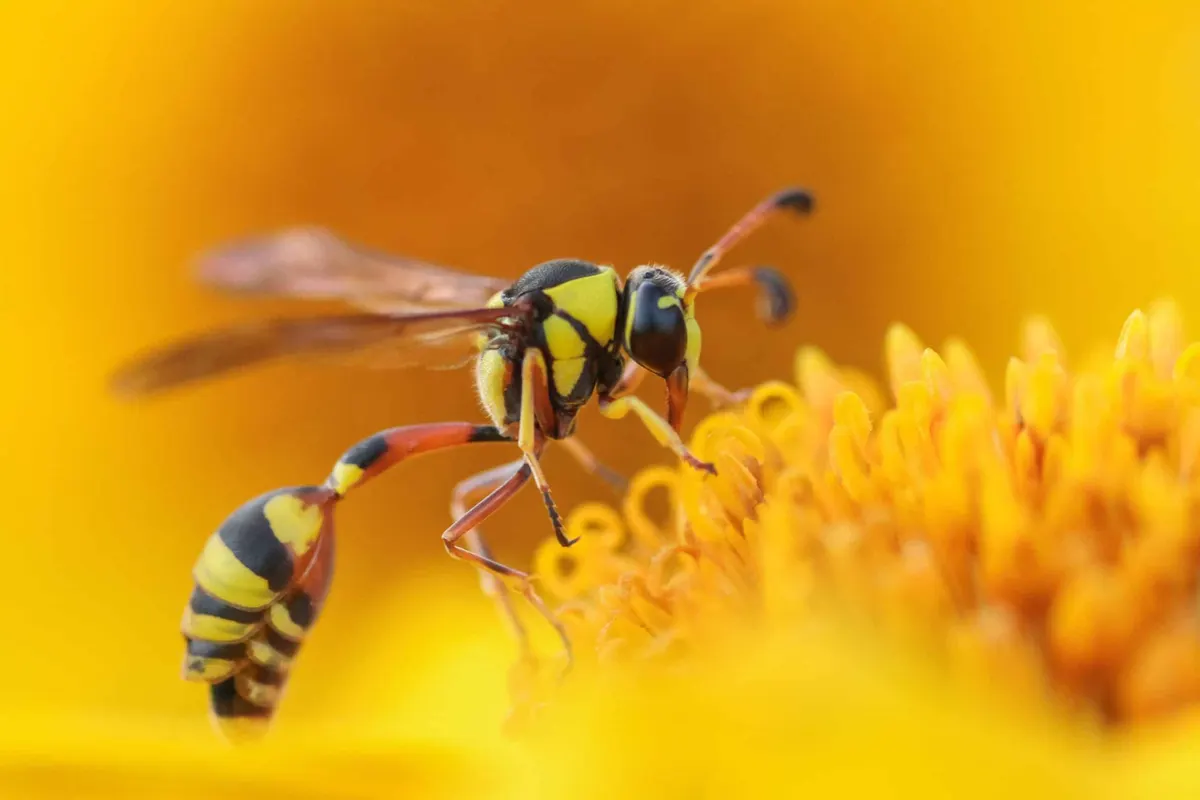
When most people think of wasps, they think of pesky insects that always seem to be buzzing around. While it’s true that wasps can be annoying, they are fascinating creatures with pretty unique features. They also play an essential role in the ecosystem. But do you know how long wasps live? This blog post will explore how long wasps species live and what kind of life cycle they have.
Wasps Lifespan
Depending on the species, wasps can have a lifespan of anywhere from 12 days to one year. The queens of some species can live for up to five years, but the workers and drones typically only live for a few months.
What Determines a Wasps Lifespan?
Several factors can influence how long a wasp lives, including the species, the environment, and whether or not it is a victim of a parasite. Implementing wasp control control strategies can also help manage wasp populations safely, especially in areas where they pose risks to people or pets.
Wasps that live in tropical climates often have shorter lifespans than those in temperate regions. This is because the higher temperatures speed up their metabolism, leading to shorter life expectancy.
Certain species of wasps also tend to have shorter lifespans than others. For example, paper wasps typically only live for about a year, while yellow jackets can live for up to two years.
Wasps preyed upon by another creature, such as a fly, often have reduced lifespans. This is because the parasite takes nutrients away from the wasp, weakening it and shortening its life.
How Long do Wasps Live Indoors?
The lifespan of a wasp is significantly reduced when it is living indoors. This is because indoor environments are often not ideal for wasps, and they can quickly become stressed or sick. Additionally, indoor wasps are more likely to be killed by humans through intentional extermination or accidental crushing. As a result, most indoor wasps only live for a few weeks or months. In these cases, using a safe and effective wasp removal solution can help you handle indoor infestations without causing harm to people or pets.
What Kills Wasps?
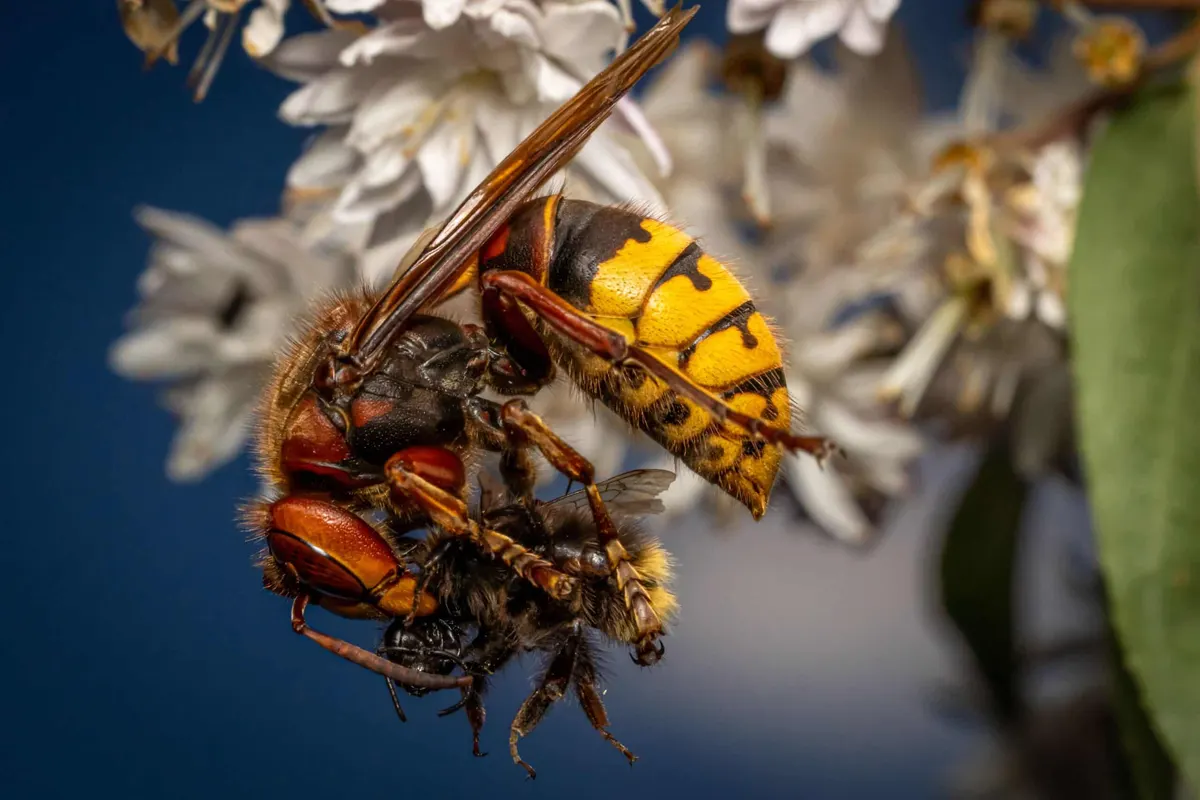
There are several things that can kill wasps, including other insects, predators, and humans. Insects that prey on wasps include spiders, mantises, and centipedes. These predators often wait near wasp nests to ambush them as they return from foraging.
Humans also kill a large number of wasps each year. This is often done in an attempt to protect ourselves from their stings, or simply because we find them to be annoying. However, it’s important to remember that wasps play an essential role in the ecosystem, and killing them can have negative consequences.
Pesticides are also a major cause of wasp death. These chemicals are designed to kill insects, and they are often used in an attempt to control wasp populations. Unfortunately, pesticides can also kill beneficial insects and poison animals and humans.
Wasps can also die of loneliness. This may sound surprising, but wasps are social creatures that live in large colonies. If a wasp is isolated from its colony, it will often become stressed and eventually die. Also, non mated wasps will eventually die off since they cannot find a partner to create offspring. Any male or female without a mate, dies around late summer-early fall periods.
When do Wasps Die Off?
- Nests become unusable: As summer draws to a close, wasps are forced out of their nests and into another location for next year.
- Cold Weather: Wasps are very sensitive to cold and often die if the temperature drops too low.
- Lack of Food: As winter approaches, the wasps’ food sources begin to dwindle, making it difficult for them to survive.
The number of wasps will begin to decline as soon as the weather starts cooling. Therefore, you can expect wasp populations to decline near the end of September. There are a few reasons for their decline in numbers, including:
How to Get Rid of Wasps
- One option is to try and lure the wasps away from your home. This can be done by setting out sweet foods or drinks, as wasps are attracted to sugar.
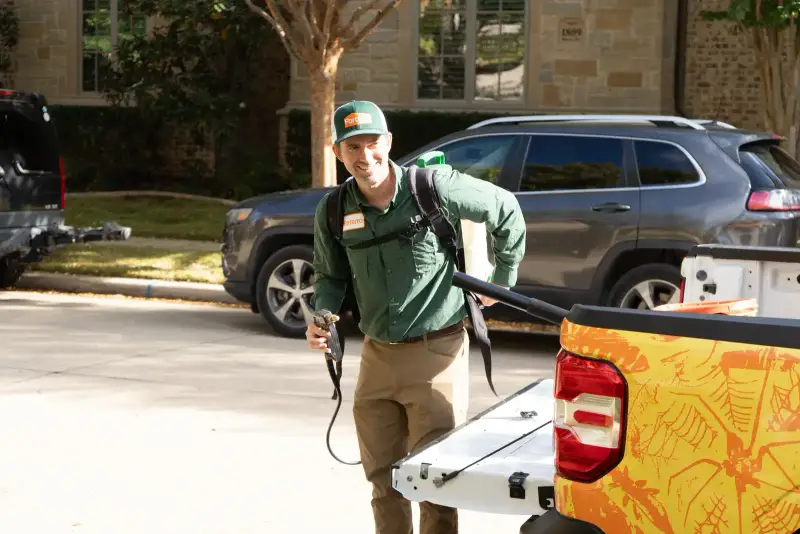
- Another option is to use a pesticide. However, it’s important to be careful when using pesticides, as they can harm humans and animals. If you decide to use a pesticide, be sure to follow the instructions carefully.
If you’re interested in getting rid of wasps, there are a few things you can do.
If you have a wasp nest on your property, you can also attempt to destroy it. This can be done by spraying the nest with insecticide or pouring boiling water into it. However, it’s important to be careful when doing this, as the wasps may become agitated and attack. You can call a professional to remove the nest for you if you’re not comfortable doing it yourself.