Top Ten Most Painful Insect Bites and How to Manage Them
Discover the 10 most painful insect bites and how to treat them fast! Stay safe with expert prevention tips from Forterra Pest Control professionals.
On this page

Have you ever experienced being bitten by insects? If you've ventured into the great outdoors, chances are you've had your fair share of run-ins with these tiny but sometimes mighty creatures. While most bug bites might leave you with a minor irritation, a select few can deliver a painful sting or bite that leaves a lasting impression. To minimize your risk of encountering these pests, practicing preventive measures and seeking expert stinging insect removal when necessary can make a big difference. This blog will delve into the ten most excruciating insect bites and how to manage them.
Ten of the Most Painful Insect Bites
Bullet Ant Bite
The bullet ant is known for having the most intense sting of any insect. Bullet ant sting was awarded first place on the Schmidt's sting pain index followed by tarantula hawk wasp sting. Their sting carries a neurotoxin, and the stinger is 1-3 mm long and is located on their abdomen. The pain has been described as feeling like being shot with a bullet, hence the name. Bullet ants are found in Central and South America and are known for their aggressive behavior. A person stung by this ant can experience intense and lasting burning pain for up to 8 hours.
Tarantula Hawk Wasp Sting
The tarantula hawk wasp is a large, solitary wasp that preys on tarantulas. While they rarely sting humans, their sting is one of the most painful in the world. The pain has been compared to being electrocuted and can last up to five minutes. If you ever encounter wasps building nests near your home or yard, it’s best to contact a wasp removal service expert to prevent potential stings and infestations.
Giant Hornet Sting
The giant hornet , also known as the Asian giant hornet, is the world's largest hornet. Their sting is not only painful but can also be deadly. Giant hornets in Asia can grow up to two inches long. Yellow Jacket Sting
Like a giant hornet, a yellow jacket sting can be deadly. Yellowjackets have the potential to cause fatal harm to people in two ways. Firstly, the toxic effects of their stings can cause harm due to the sheer number of stings. Secondly, allergic reactions can occur in sensitive individuals. It is said that an adult man can be killed by the venom's toxic effects alone after being stung about 1,500 times. Fire Ant Bite
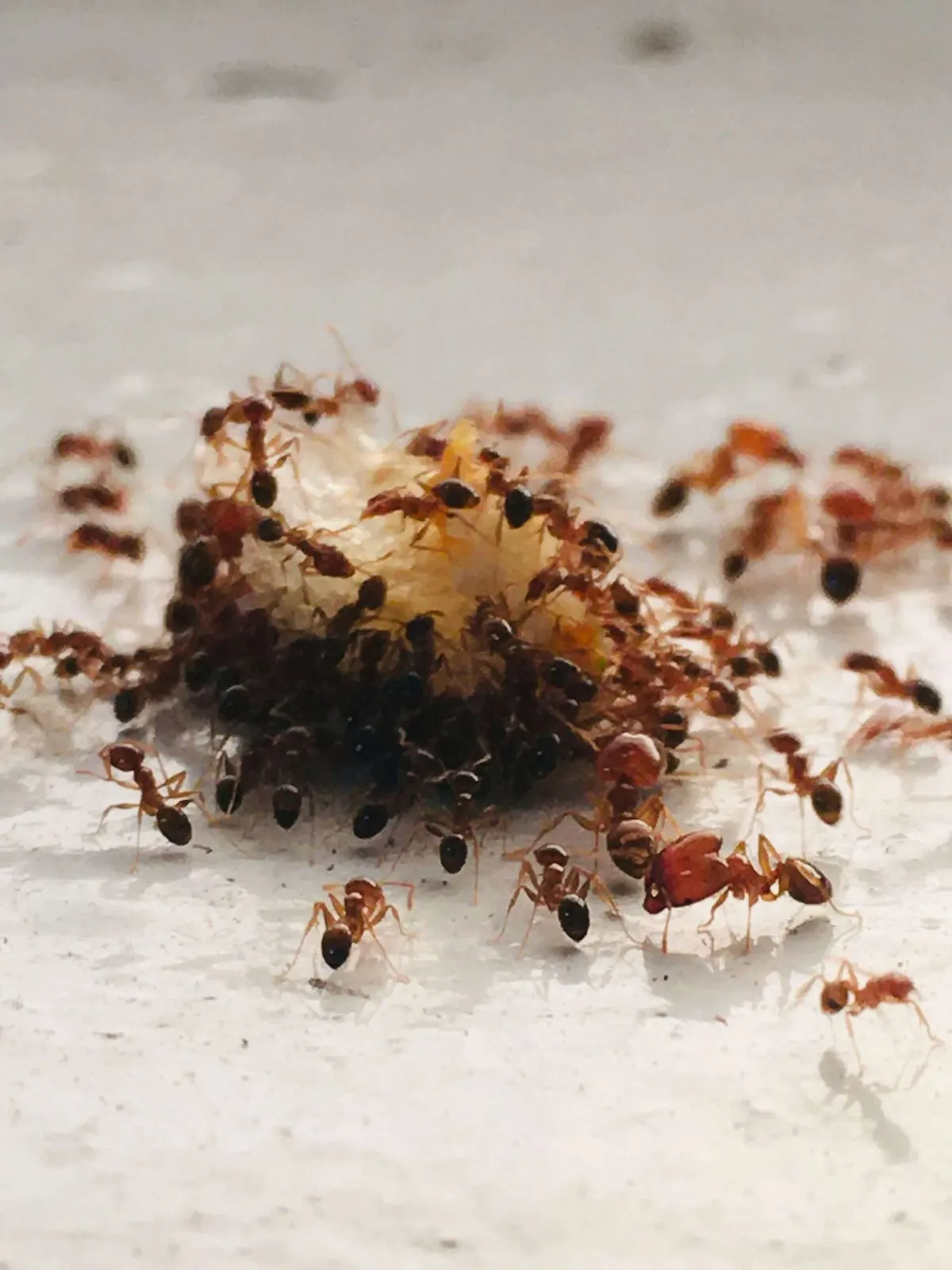
Fire ants are common in the southern United States and are known for their painful bites. Their bites can cause a burning sensation, leading to blisters or pustules. Velvet Ant Sting
Despite their name, velvet ants are not ants but rather a type of wasp. Their sting is one of the most painful in the world and has been compared to being stabbed with a hot poker. In some cases, people mistake certain beetles for velvet ants because of their similar shape and coloration. If you suspect a beetle problem around your home, contacting a professional beetle removal service can help identify and safely eliminate them.
Paper Wasp Sting
Paper wasps are a type of social wasp that build their nests out of paper-like material. Their stings can cause pain, swelling, and redness. Mosquito Bite
Mosquitoes are a common nuisance during summer. Mosquito bites can be itchy and uncomfortable. In some cases, mosquito bites can also transmit diseases like West Nile or Zika. If you notice frequent mosquito activity around your home, it may be time to contact a mosquito control service expert to help reduce breeding sites and keep your outdoor spaces safe and comfortable throughout the season. Bee Sting
Bees are known for their painful stings, which can cause swelling, itching, and redness. In some cases, bee stings can also cause an allergic reaction. Black Widow Spider Bite
The black widow spider is one of the most venomous spiders in the world. Their bite can cause severe pain, muscle cramps, and spasms. Other pests can also pose a serious risk to your health or property. Scorpions, for instance, use venom as a defense mechanism, and their sting can cause intense pain, swelling, and numbness. They are particularly common in Texas and are often found in dark, secluded areas like attics, basements, or under rocks. If you notice scorpions around your home or yard, it’s best to contact a scorpion pest control expert who can safely eliminate them and implement preventive measures to keep them from returning.
Meanwhile, silverfish may not bite or sting, but they can still cause damage to paper, clothing, and other starchy materials in your home. These small, silvery insects thrive in damp, dark areas such as basements, bathrooms, and attics. If you’ve noticed shredded paper, damaged wallpaper, or small holes in fabrics, it may be time to reach out to a silverfish pest control service expert or consider professional silverfish control solutions to identify the infestation and protect your belongings from further damage.
Why do insects bite?
Did you know that insects have different reasons for biting or stinging? For instance, mosquitoes use their bite to feed on blood and get nourishment, while bees and wasps use their stingers as a defense mechanism. Insects can also bite or sting when they feel threatened or disturbed. It's fascinating how these tiny creatures have adapted to their environment for survival! If you’re constantly dealing with itchy bites after spending time outdoors, it could be due to chiggers, and investing in a reliable chigger pest control solution or opting for chigger control treatments can help protect your yard and reduce future infestations.
What are some common symptoms of insect bites?
Symptoms of insect bites can vary depending on the type of insect and the person's reaction to the bite. Common symptoms include pain, itching, swelling, redness, and sometimes fever or nausea.
When it comes to insect bites, it's essential to recognize that different insects trigger different reactions in our bodies. Mosquitoes, for instance, are notorious for their itchy bites, while ants can leave painful, swollen welts. Understanding the signs and symptoms associated with insect bites is crucial in determining the appropriate course of action to alleviate discomfort and prevent complications. For recurring bite issues or potential infestations, consulting pest control expert in Plano, TX can help identify and eliminate the source of the problem.
How to Manage Insect Bites?
If you're unlucky enough to be bitten or stung by one of these pesky critters, there are several things you can do to manage the pain and discomfort.
Ice or Cold Compress
Applying ice or a cold compress to the affected area can help reduce swelling and alleviate pain.
Over-the-Counter Pain Relievers
Over-the-counter pain relievers like ibuprofen or acetaminophen can help alleviate pain and reduce inflammation.
Topical Creams or Ointments
Using topical creams or ointments like hydrocortisone cream or calamine lotion can help ease itching and reduce redness.
Seek Medical Attention
In severe cases, medical attention may be necessary. If you experience symptoms like difficulty breathing, swelling of the face or throat, or severe pain, seek medical attention immediately.