
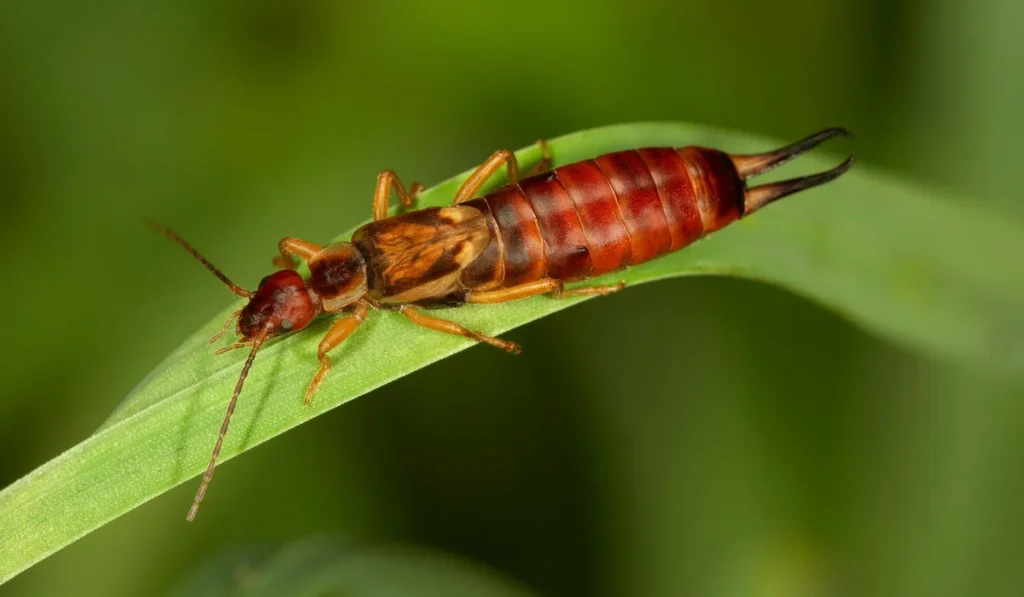
You turn on the bathroom light at night and see a small reddish-brown insect run across the floor. It has long antennae and curved pincers on its back. If this happens more than once, earwigs are likely the cause. Many Dallas homeowners notice this problem during warm or wet months.
Earwigs are common across North Texas. They are not aggressive, but seeing them inside your home can be unpleasant. When earwigs appear often, the cause is usually excess moisture, open entry points, or outdoor conditions that push them inside.
This guide explains why earwigs keep showing up in Dallas homes and how to stop an infestation before it spreads. We cover moisture issues, hiding places, DIY steps, and when professional pest control is appropriate.
This short video explains earwig behavior clearly and simply. You’ll learn where earwigs come from, why they move indoors, and how their numbers can grow. Watching this video can help you identify earwigs correctly and understand when simple prevention is enough or when pest control is the better choice.
Earwigs (Forficula auricularia) are slender insects with flat bodies and curved forceps, also called pincers. They use these pincers for defense and mating. Earwigs eat decaying plants, aphids, and other insects, including termites and cockroaches.
Dallas has ideal conditions for earwigs. Warm weather, watered lawns, and shaded landscaping support earwig activity. Outdoors, earwigs gather in mulch, leaf litter, rotting wood, and woodpiles that hold moisture.
When outdoor conditions change, earwigs move closer to homes. They enter through small cracks around doors, window sills, and foundations. If indoor conditions meet their needs, they stay.
At Forterra Pest Control, we offer professional earwig control, where our team of technicians identifies earwigs linked to moisture and exterior buildup.
Moisture is a primary reason earwigs enter homes in Dallas. Earwigs need moisture and avoid dry areas.
Common indoor problem areas include basements, crawl spaces, bathrooms, and laundry rooms. Leaky faucets, poor airflow, and standing water create hiding spots. Even small moisture issues can support an infestation.
Outdoor moisture also matters. Clogged gutters allow water to pool near the foundation. Overwatered lawns and mulch placed against the house keep soil damp and attract earwigs.
We often recommend fixing leaks, improving drainage, and using dehumidifiers in damp areas to reduce conditions that attract earwigs.
Earwigs hide during the day and become active at night. Inside, they look for dark areas near moisture and food.
Basements and crawl spaces are common hiding places in Dallas homes. Earwigs also hide behind appliances, under sinks, inside storage boxes, and near houseplants with damp soil.
Outside, earwigs gather under leaf litter, mulch, rotting wood, and woodpiles.
According to Colorado State University Extension, earwigs can damage tender plant growth, but mainly feed on insects like aphids. Outdoor lights attract insects, which gives earwigs more food near doors and windows.
Our technicians focus on identifying these hiding areas and reducing conditions that allow earwigs to enter living spaces.
Earwigs are not known for causing structural damage, but they are very good at finding their way indoors. Texas A&M AgriLife Extension explains that their flattened bodies allow earwigs to squeeze through tiny cracks and gaps in a home. Even minor openings along foundations, doors, or windows can give earwigs easy access to the living space.
Common entry points include cracks in the foundation, gaps around doors, damaged window seals, and openings near plumbing lines. Unsealed vents and utility lines also provide entry points.
Older homes often have more gaps. Sealing these areas with caulk helps control earwigs and supports overall pest prevention.
Seeing a single earwig does not always indicate a problem. Repeated sightings often signal an infestation nearby.
Common signs include earwigs near window sills, in bathrooms, kitchens, and other damp areas. You may also find them under cardboard or rolled-up paper.
Outside, earwigs often appear under mulch, leaf litter, and around plants. When food sources like aphids increase, earwig numbers usually rise. If sightings continue after cleanup, professional pest control can stop the problem before it spreads.
Many homeowners start with DIY methods to get rid of earwigs. If you want to learn what actually works to keep bugs away, focusing on practical steps can help reduce repeat issues. Reducing moisture is often the best place to start. Fix leaky faucets, dry damp areas, and improve airflow.
Outside, move mulch away from the foundation, remove leaf litter, and store woodpiles away from the house. Clean gutters so water drains properly.
Simple traps can reduce earwig activity. A rolled-up newspaper placed in damp areas overnight can collect earwigs. Drop them into soapy water to remove them. Shallow containers filled with vegetable oil also trap earwigs near hiding spots.
DIY steps can address minor issues, but recurring problems typically require professional pest control.
When earwigs keep returning, professional pest control is often the next step. Trained exterminators understand earwig behavior and how it relates to pests such as cockroaches and termites, which also seek moisture.
We focus on prevention, not just removal. Our quarterly program covers common household pests, including earwigs, spiders, cockroaches, silverfish, ants, and other pests that tend to move indoors seasonally. Treatments target damp areas, seal entry points, and create a protective barrier around the home.
We also address outdoor conditions that support pests, such as moisture buildup and shelter near the foundation. This approach helps reduce repeat earwig activity.
Earwigs are common in Dallas, but they do not have to be ongoing. Understanding why earwigs keep showing up helps you act early. Moisture control, sealing cracks, and reducing hiding spots all make a difference.
DIY methods help with small problems, but recurring activity often points to a deeper issue. Professional pest control offers a more complete solution.
At Forterra Pest Control, we help homeowners across DFW control earwigs and maintain pest-free homes. If earwigs are invading your living space, our team is ready to help stop the problem and keep it from coming back.
Contact us today or request a free quote.
Bathrooms in Dallas homes often stay humid due to showers, sinks, and limited airflow. Damp areas in your home, such as this one, attract earwigs. Fixing moisture issues and sealing cracks helps, but Forterra Pest Control can address the root cause if activity continues.
Yes. Earwigs are common throughout Dallas and DFW due to warm weather, mulch, and irrigated landscaping. Outdoor conditions often push earwigs indoors when entry points are available.
If earwigs appear in large numbers or keep returning, professional pest control is a smart option. Forterra Pest Control helps Dallas homeowners control earwigs by addressing moisture and entry points and implementing long-term prevention measures.
