
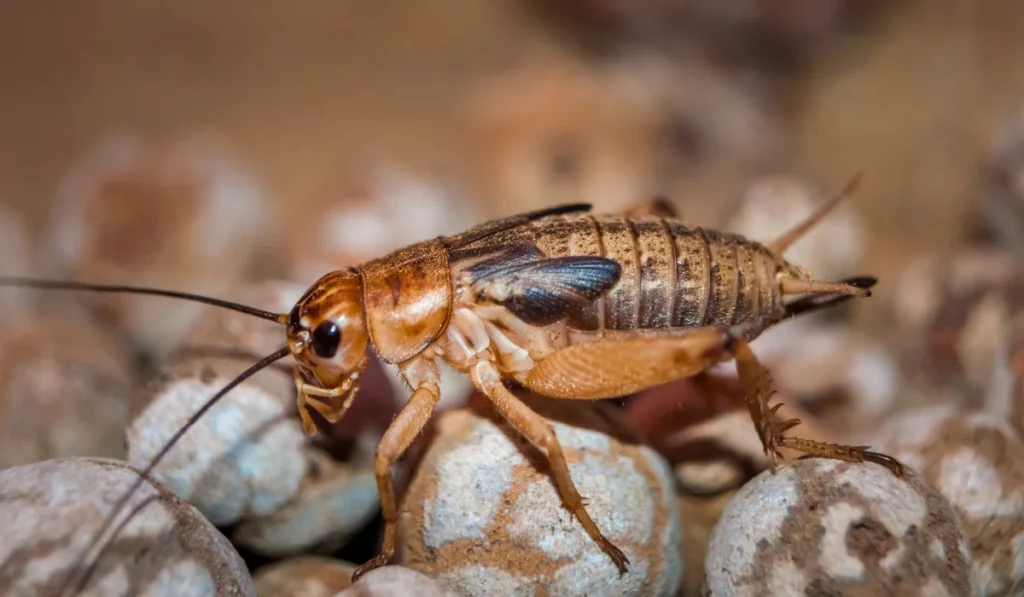
Hearing chirping sounds inside your home during winter can become frustrating very quickly. Many Southlake homeowners start noticing crickets when cold weather arrives, even if they never had problems during warmer months. The chirping usually starts at night and often comes from walls, baseboards, or garages.
Crickets enter homes during winter because of temperature changes and moisture. When outdoor temperatures drop, crickets leave yards, mulch, and woodpiles to look for shelter near homes. Houses provide steady warmth, moisture, and small entry points that crickets can slip through.
One cricket may not seem like a problem, but repeated chirping or frequent sightings often signal a cricket infestation. This guide explains why crickets enter homes, where they hide, and how professional pest control in Southlake, TX, can prevent the problem from escalating.
This video explains how to identify common types of crickets found in North Texas homes, including the house cricket, field cricket, and cave cricket (also known as the camel cricket). It shows differences in size, color, antennae length, and where you’ll usually find each cricket species. Knowing which type of cricket you’re dealing with helps explain the chirping noise and where to focus cricket control efforts.
Crickets move indoors during winter to escape cold weather and find better living conditions. In Southlake homes, a few common factors contribute to this.
We offer professional pest control inspections and targeted cricket control to identify entry points, eliminate active infestations, and help Southlake homeowners get rid of crickets before the problem worsens.
North Texas is home to several cricket species, including the Texas Field Cricket and mole cricket. Each one behaves differently, which is why identification matters.
| Type of Cricket | What They Look Like | Common Hiding Spots | Chirping Behavior | Why They Enter Homes |
|---|---|---|---|---|
| House cricket | Yellowish-brown body with long antennae | Baseboards, kitchens, garages, and wall voids | Loud chirping, mostly at night | Drawn to warmth and indoor food sources |
| Field crickets | Dark brown or black, larger body | Garages, near doors, basements | Occasional chirping | Move indoors from mulch, tall grass, and woodpiles |
| Camel crickets (cave crickets) | Light brown, humpbacked body, long legs | Crawl spaces, basements, and damp areas | No chirping | Seek moisture and shelter during cold weather |
If you’re unsure which type of cricket you’re seeing, we can identify it and explain why it’s inside your home.
After entering a home, crickets settle in dark, quiet, and slightly damp areas. These spots help them stay hidden and active through winter.
If crickets continue to appear in these areas, professional pest control can help identify hidden activity and address the conditions that allow them to remain.
Many homeowners notice that the chirping noise seems louder at night. That’s because male crickets are most active after dark, and nighttime quiet makes their calls stand out more.
According to research published in the National Library of Medicine, field crickets produce low-frequency sounds, generally ranging from 2 kHz to about 9 kHz, which allows the sound to carry and echo more easily in enclosed spaces.
The chirping sound often echoes through walls, vents, and floors, making it hard to track down. A single house cricket behind a wall or near baseboards can sound like several crickets at once, leading many homeowners to think the problem is larger than it is.
When chirping continues night after night, it usually means the cricket has found a comfortable indoor spot or that more than one cricket is present. Ongoing noise often signals the need for professional cricket control.
Seeing a cricket indoors does not always indicate a problem. Repeated activity during winter often points to a larger issue.
Crickets are sometimes mistaken for other pests, such as termites or bed bugs. A pest control inspection can confirm the cause and identify the right solution.
Southlake has mild winters, which allows crickets to stay active longer than in colder areas. During warmer months, they live in mulch beds, woodpiles, and shaded landscaping. When temperatures drop, they move closer to homes for warmth and shelter.
Outdoor lighting also increases activity. Lights attract insects, which draw crickets toward garages and entryways. Homes with bright exterior lighting often see more cricket movement during winter.
Moist soil, clogged gutters, and poor drainage can make the problem worse. Reducing moisture around the home helps limit cricket activity and is part of routine pest control checks.
Cricket control begins with a detailed inspection. Technicians check garages, crawl spaces, basements, and exterior areas to find entry points and conditions that attract crickets.
Treatments focus on active areas and create a barrier around the home. This approach stops crickets at the source instead of only removing the ones you see.
If crickets return, our team provides follow-up service. We design solutions to protect Southlake homes year-round, not just during winter.
After removing the crickets, simple steps can help prevent their return during future cold weather.
An ongoing pest control service helps address these problem areas and makes homes less inviting to crickets.
Crickets inside your home during winter are more than just a noise problem. They signal that cold weather, moisture, and access points are working together to invite pests indoors. Acting early helps avoid larger infestations and ongoing frustration.
At Forterra Pest Control, we help homeowners across Southlake and the DFW area get rid of crickets and stay pest-free. Our team understands local conditions and delivers reliable solutions that work.
If you’re hearing chirping or spotting crickets this winter, contact us today or request a free quote. We’ll help protect your home and keep unwanted pests out for good.
Crickets move indoors during winter to escape cold weather and find warmth and moisture. Homes provide shelter that outdoor areas no longer offer once temperatures drop.
Not always. One male cricket can produce a loud chirp. Hearing chirping frequently or seeing large numbers may indicate a cricket infestation.
If crickets keep returning, chirping continues, or DIY steps don’t work, a professional exterminator can provide effective cricket control and prevent future problems.
