
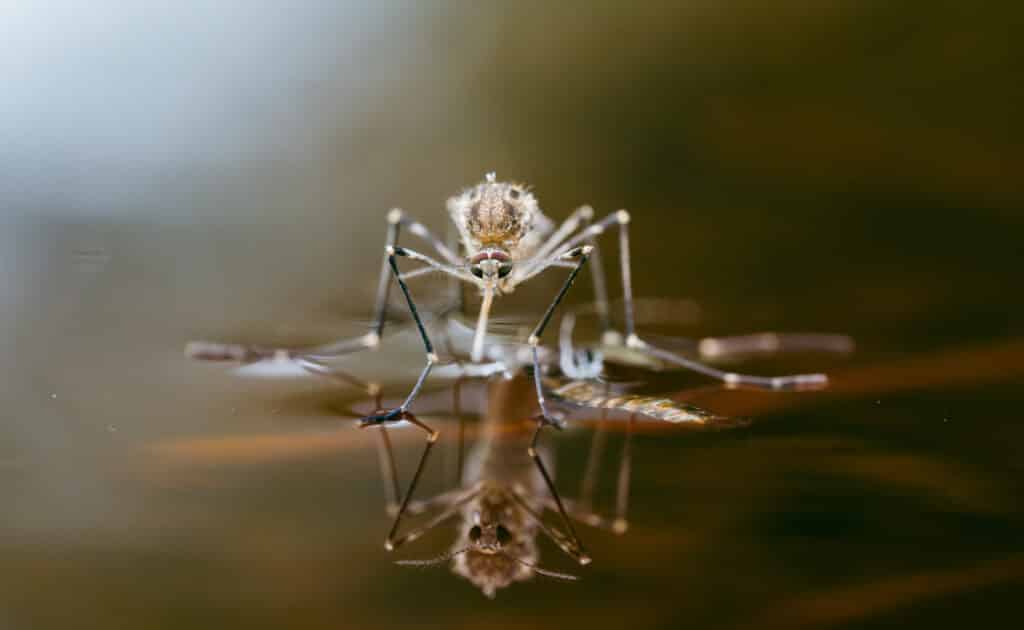
When storm clouds roll in and rain starts falling, many North Texas homeowners ask the same question. Do mosquitoes come out in the rain, or does bad weather give you a break? If you live in Southlake or the DFW area, this question matters because warm weather and storms often happen at the same time.
Mosquito activity often feels hard to predict. One day, your patio feels comfortable. The next day, mosquito bites show up after a storm passes. Rain directly affects mosquito breeding and movement, but the answer is not a simple yes or no. Each stage of the mosquito life cycle reacts to rain in different ways.
This guide explains what happens to mosquitoes during rain, what changes before and after storms, and how standing water around your home causes mosquito problems. You will also learn simple ways to protect your yard and when professional pest control can help.
This video explains where mosquitoes come from and why they appear after rain. It highlights common problem areas around homes and simple steps that help reduce mosquito activity. Watching this guide gives you a better understanding of how mosquito control works and what makes a real difference outdoors.
Many people ask if mosquitoes fly in the rain or stay active during storms. In most cases, adult mosquitoes avoid flying during heavy rain. Heavy raindrops knock mosquitoes down or drive them into sheltered areas such as shrubs, patios, or under eaves. Light rain may not stop mosquitoes, but it slows them down.
Mosquitoes survive storms by resting in protected areas. They hide under leaves, decks, or near homes where wind and rain cannot reach them. Once the rain stops, mosquito activity often increases fast, especially during warm DFW evenings.
Our mosquito control services treat the areas around your home where mosquitoes rest during and after storms. By addressing these problem spots, we help reduce repeat mosquito activity and make your outdoor spaces more comfortable after rain.
Rain directly affects mosquito breeding. Female mosquitoes lay eggs in water. Rain fills many hidden breeding spots around homes. Puddles, clogged gutters, old tires, and trash can lids often collect still water after storms.
Mosquito eggs hatch into larvae that live in water before turning into pupae and then adult mosquitoes. This life cycle moves quickly in warm North Texas weather. A few days of standing water can lead to a mosquito infestation.
Our mosquito control services target these breeding areas before larvae develop. By treating common problem spots, we help slow mosquito population growth around your home.
Standing water causes mosquito problems after storms. Heavy rain may reduce flying mosquitoes for a short time, but it leaves behind breeding grounds. Birdbaths, flowerpots, gutters, and water near patios often go unnoticed.
Even small amounts of stagnant water can support mosquito larvae. Clogged gutters or rain-filled toys often cause infestations. These spots allow mosquito populations to rebuild fast.
After eggs hatch, larvae stay in water until they mature. Learning how to kill mosquito larvae early can stop the problem before it turns into a full mosquito infestation around your home.
We help homeowners find and treat these problem areas. Our technicians know where mosquitoes breed in DFW neighborhoods and how to reduce long-term risk.
Mosquito activity often increases before storms because of changes in air pressure and humidity. Many people notice more bites before rain arrives, especially in the evening.
After storms, mosquito activity often drops briefly, then increases as new adults emerge. According to the University of Florida IFAS Extension, rainfall can trigger dormant mosquito eggs to hatch, and warmer temperatures often lead to increased mosquito populations about two weeks after major storms.
Understanding how long mosquitoes live helps explain why bites can continue for weeks if homeowners do not treat breeding sites.
Different mosquito species respond differently, but most thrive once rain creates breeding sites. Female mosquitoes seek out water to lay eggs, continuing the cycle. This pattern explains why mosquito problems feel worse a few days after rain.
We offer preventive measures to reduce mosquito activity before storms. Regular service helps break the cycle and keep your yard more comfortable.
Mosquitoes prefer quiet areas with still rainwater. Gutters filled with debris, dirty birdbaths, and old tires left outside often become breeding spots. Flowerpots with saucers also collect water.
Puddles along driveways or near patios attract mosquitoes and often go unnoticed. Keeping these areas dry plays a key role in long-term mosquito control.
During service visits, our technicians inspect these areas and help homeowners reduce breeding spots that attract mosquitoes back to their property.
After storms, personal protection matters. Wearing long sleeves during peak mosquito activity helps reduce bites. Using EPA-approved mosquito repellent with picaridin or oil of lemon eucalyptus can help when spending time outdoors.
Mosquito nets and citronella products may help in small areas like patios, but they offer limited protection on their own. These steps work best when paired with yard-level mosquito control.
We offer mosquito traps and treatment options designed for DFW homes. These services reduce mosquito problems at the source rather than relying solely on repellents.
Storm season in North Texas often brings changes to mosquito activity that can catch homeowners off guard. Knowing what to expect after rain makes it easier to respond quickly and avoid ongoing problems in your yard.
A focused approach that looks at timing, problem areas, and follow-up care can make a noticeable difference. When mosquito pressure stays high, professional support can help manage the issue more effectively over time.
At Forterra Pest Control, we work with Southlake and DFW homeowners to address mosquito problems based on local conditions and seasonal patterns.
Contact us today or request a free quote and learn how we can help reduce mosquito activity around your home.
Most mosquitoes in Southlake avoid flying during heavy rain. They hide in sheltered areas and return once the storm passes. After rain, standing water around homes often increases mosquito populations within a few days.
Storms leave behind rainwater in gutters, birdbaths, and puddles. These become breeding grounds where mosquito eggs hatch quickly in warm DFW weather, leading to increased mosquito activity.
Empty standing water, clean gutters, and treat common breeding sites. Professional pest control in the DFW area helps manage mosquito populations and reduce long-term problems.
