Cockroach Eggs in Dallas: A Sneaky Threat to Your Health
Cockroach eggs in Dallas pose hidden risks to your health. Learn where they hide and how Forterra Pest Control eliminates infestations fast and safely.
On this page
Have you ever wondered how creepy creatures like cockroaches reproduce? It's a question that might not cross our minds often, but it's crucial to understand the eerie intricacies of their life cycle, especially when these critters can potentially impact our health.
In a city as vibrant and diverse as Dallas, where cultures collide and big dreams thrive, there's one thing residents can do without – a cockroach infestation. Yet, these resilient pests have a way of creeping into our homes, quite literally.
What do Cockroach Egg Looks Like
Before we get into the nitty-gritty of health risks, it's vital to understand what we're up against. Cockroach eggs are tiny, hidden treasures inside protective capsules known as oothecas . They're often brown or tan, which allows them to blend into their surroundings, making them challenging to spot.
Inside each ootheca, you'll find multiple eggs neatly arranged in rows. The number of eggs varies by cockroach species, but it can range from a few to dozens. These eggs are oval-shaped and have a slightly glossy appearance.
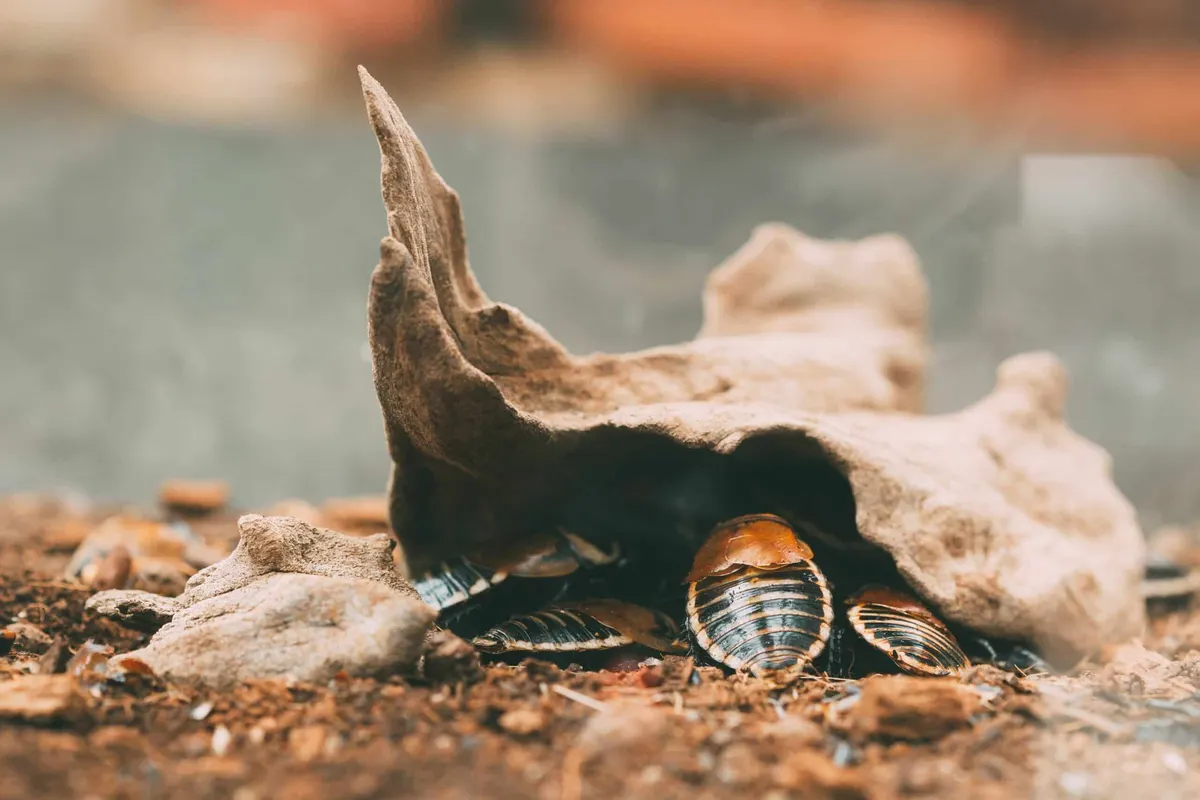
While they may not be the stuff of nightmares in terms of appearance, the trouble lies in what they represent – the potential for a cockroach infestation. Cockroaches lay these oothecae in dark, hidden spots like cracks, crevices, and corners, which means you might not stumble upon them until it's too late.
Understanding the Risks of Cockroach Eggs
Asthma and Allergies
One of the most significant health risks associated with cockroach eggs is their contribution to asthma and allergies. Cockroach allergens are proteins found in their saliva, feces, and body parts. These allergens can become airborne and easily inhaled when cockroach eggs hatch or when adult roaches move around.
Studies have shown a strong link between exposure to cockroach allergens and the development or exacerbation of asthma in both children and adults . In Dallas, where asthma rates are already higher than the national average, this is a particularly concerning issue. Those with asthma living in cockroach-infested homes may experience more frequent and severe asthma attacks.
Respiratory Issues
In addition to asthma, cockroach allergens can trigger various respiratory issues, including coughing, wheezing, and shortness of breath. Even individuals without a history of asthma can develop these symptoms when exposed to high levels of cockroach allergens.
Skin Irritations
Cockroach eggs themselves, if they come into direct contact with your skin, can lead to skin irritations and allergic reactions. While this is less common than respiratory issues, it's a potential health concern, especially for individuals with sensitive skin.
Gastrointestinal Problems Cockroaches are known carriers of disease-causing bacteria, and their eggs can harbor these pathogens. If cockroach eggs contaminate food or food preparation surfaces, there's a risk of gastrointestinal problems. Dallas residents who consume food tainted with cockroach-related bacteria may experience symptoms such as diarrhea, vomiting, and stomach cramps.
Prevention Methods: Keeping Cockroach Eggs at Bay
Maintain a Clean Environment:
While it's true that cockroaches can infest even the cleanest of homes, maintaining a clean environment is still essential for preventing and getting rid of cockroach eggs. Cockroaches are attracted to food, water, and shelter, so eliminating these sources is crucial to keeping them away.
Seal Entry Points:
Cockroaches can easily squeeze into even the tiniest cracks and crevices. Inspect your home thoroughly for any gaps or openings, especially around windows, doors, and pipes. Use caulk or weatherstripping to seal these entry points and prevent cockroaches from finding their way inside.
Declutter:
Cockroaches thrive in cluttered environments where they can easily hide and breed. Take the time to declutter your home, removing unnecessary items and organizing your belongings. This will not only create a clean and tidy living space but also eliminate potential hiding spots for cockroach eggs.
Proper Food Storage:
Store food in airtight containers to keep it inaccessible to cockroaches. Avoid leaving food out overnight, and regularly check and clean your pantry to eliminate any potential infestations. Pay special attention to pet food and water bowls, making sure to clean and refill them regularly.
Use Natural Repellents :
Certain scents and substances are known to repel cockroaches. Essential oils such as peppermint, eucalyptus, and lavender can be mixed with water and sprayed in areas prone to cockroach infestation. These natural repellents not only ward off roaches but also leave your home smelling fresh and pleasant.
Regular Inspections:
Even if you haven't noticed any signs of cockroach activity, it's essential to conduct regular inspections. Look for egg casings, cockroach droppings , or any other indicators of a potential infestation. Early detection is key to preventing a small cockroach problem from turning into a full-blown infestation.
Professional Pest Control
If all else fails, asking for help from a professional pest control service becomes your final and most reliable line of defense against cockroach eggs and infestations. Their expert cockroach exterminators possess the knowledge, experience, and specialized tools necessary to tackle even the most stubborn roach problems.
Cockroach eggs in Dallas may be a less-discussed menace, but they're a real concern for the well-being of your home and family. After diving into the eerie world of cockroach eggs and understanding the potential health risks, you might be wondering, "What can I do about it?"
Remember, the battle against cockroach eggs and their health risks isn't a one-time fight but an ongoing effort. By taking these steps, you can reclaim your home from these sneaky invaders, ensuring a healthier and happier environment for you and your loved ones.